Last updated November 22, 2026
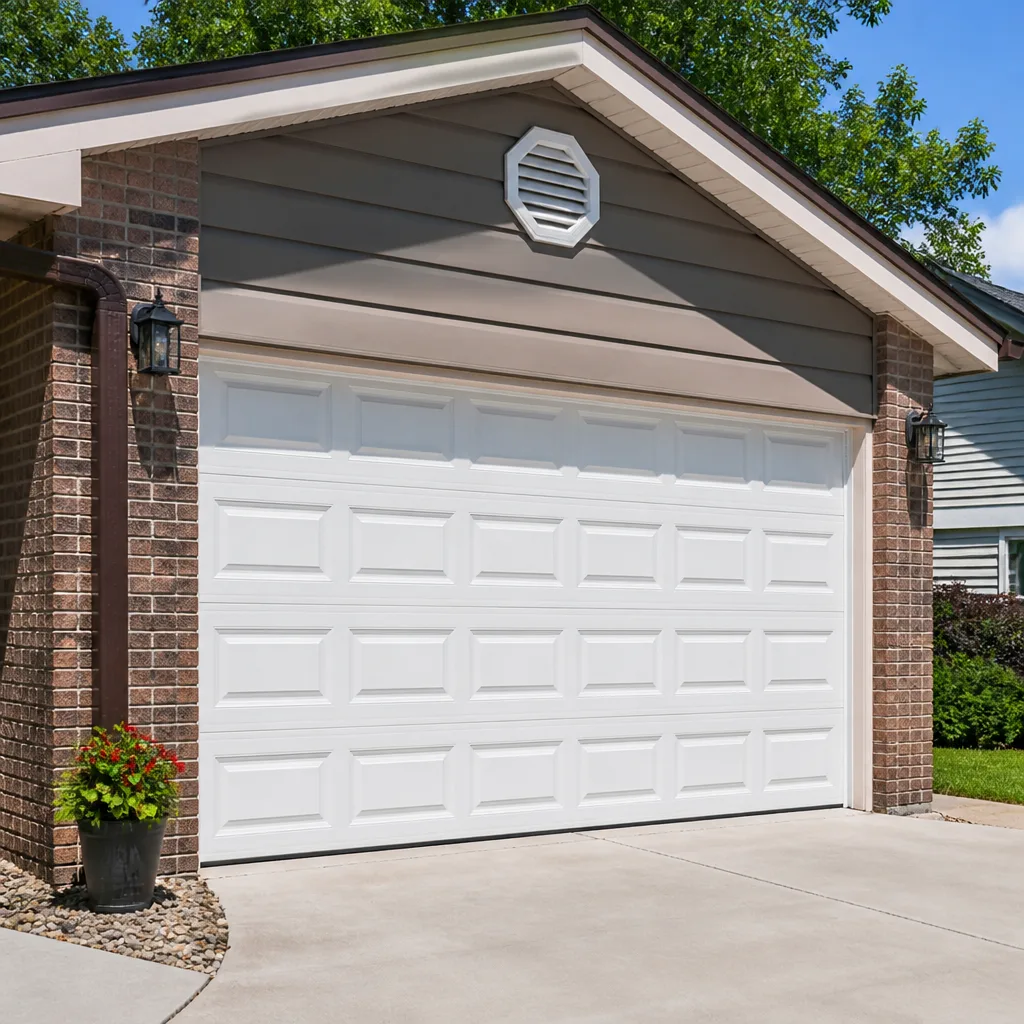 Raised-panel steel
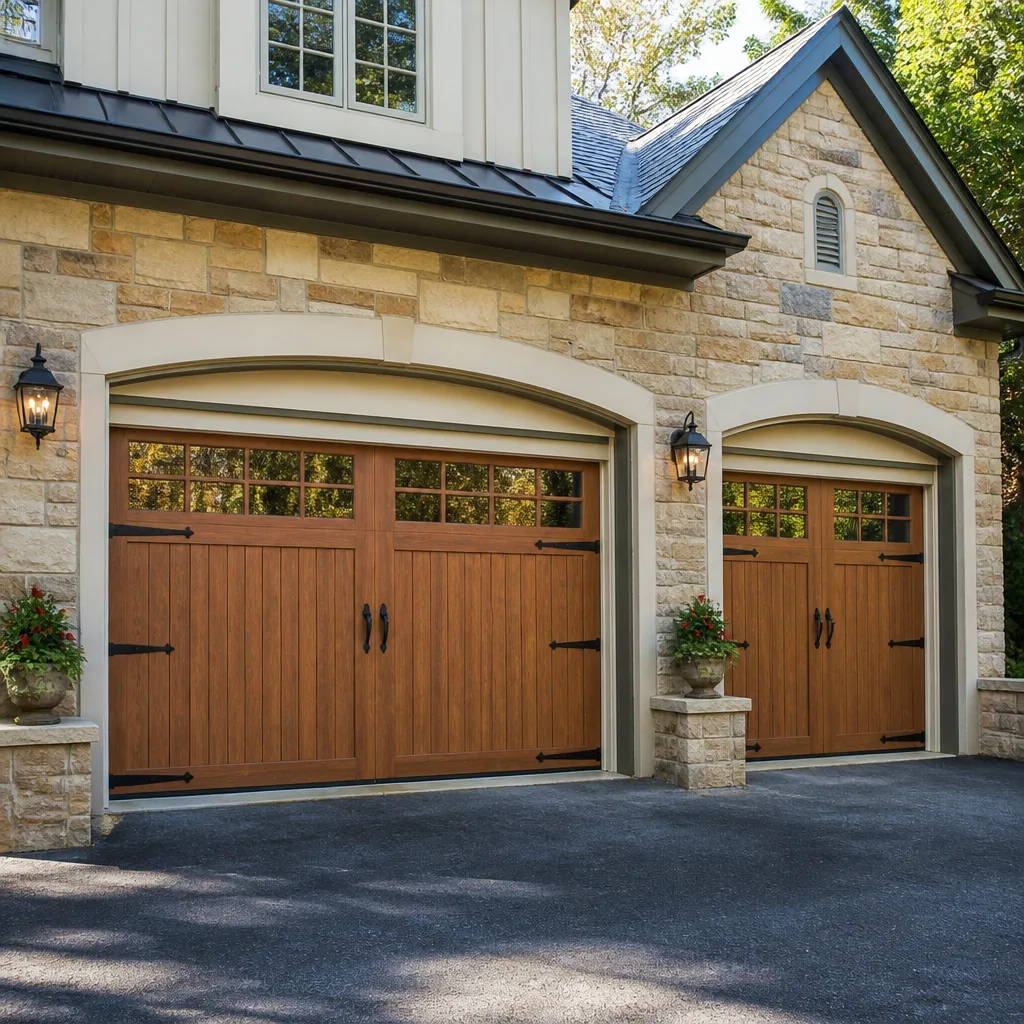 Carriage house
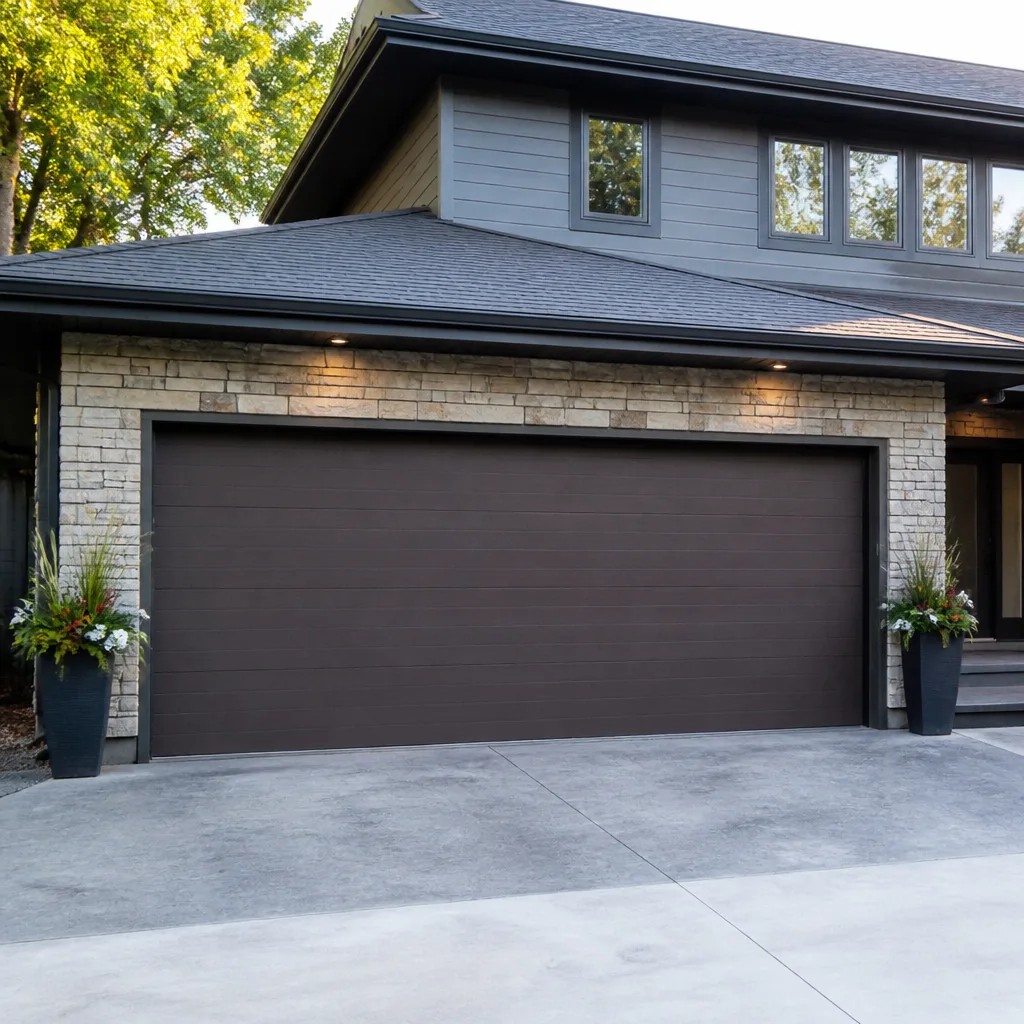 Modern flush
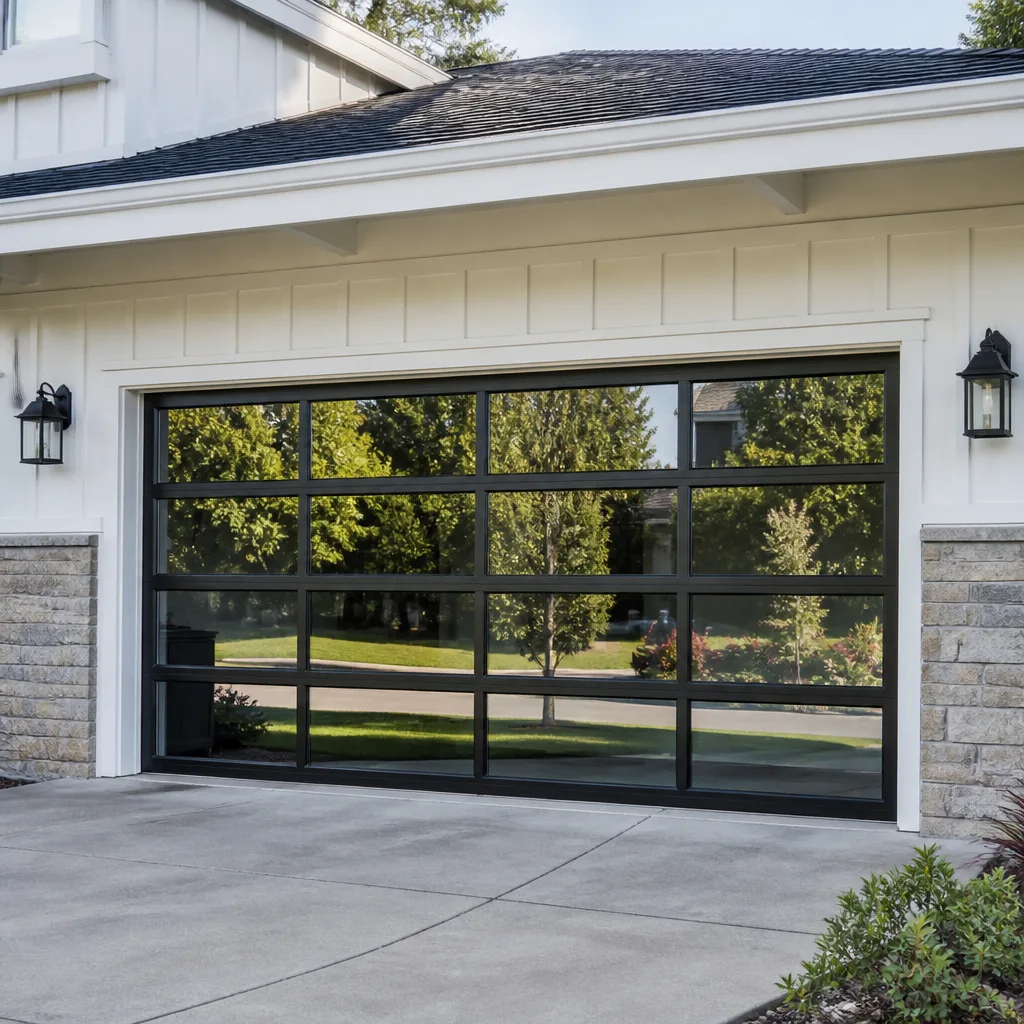 Full-view glass
 LiftMaster openers
 Chamberlain openers
Full 25-point door and opener safety check with every visit - springs, cables, rollers, tracks, and your LiftMaster or Chamberlain opener included
You get a price before we start. It does not change when the pro arrives.
Get your free estimateGarage Door Repair Troubleshooting in Cuyahoga Falls: Common Problems and How to Fix Them
Most Cuyahoga Falls homeowners describe every garage door problem the same way: “my door won’t close.” But a door that reverses before it reaches the floor and a door that reverses after it touches the floor are two completely different problems with two different fixes. One is a sensor or alignment issue. The other is usually a travel-limit or force-setting problem, or a mechanical bind the opener is trying to push through. Treat them as the same and you’ll spend money on the wrong part. This guide teaches you to read your door’s behavior the way a technician does, so you can figure out which of the five systems is actually failing, know what’s safe to check yourself, and describe the problem accurately enough that a repair call gets fixed on the first visit instead of turning into a second one.
Quick Answer
Garage door problems fall into five systems: springs, cables, tracks, rollers, and the opener with its sensors. Troubleshoot by watching the door’s specific behavior (where it reverses, how it moves, what it sounds like) and matching it to one of those systems. You can safely check sensors, tracks, and the opener’s force setting yourself. Anything involving springs, cables under tension, or a door that has come off its tracks needs a trained technician. In Cuyahoga Falls, freeze-thaw cycles through the year are a common reason tracks warp and springs fatigue early, so those two systems fail more often here than people expect.
Styles & brands we work with
- Raised-panel steel
- Carriage house
- Modern flush
- Full-view glass
- LiftMaster openers
- Chamberlain openers
Table of Contents
- The Symptom-to-Cause Diagnostic Tree
- Why Cuyahoga Falls Weather Wears on Doors
- The Force Setting Test: Mechanical or Electronic?
- DIY-Safe Problems vs. Spring-Tension Problems
- The 10 Most Common Problems and How to Read Each One
- How to Describe the Problem So It Gets Fixed First Time
- Opener-Specific Symptoms by Brand
- Common Mistakes to Avoid
- When to Call a Professional
- Frequently Asked Questions
- The Bottom Line
The Symptom-to-Cause Diagnostic Tree
Start with what the door actually does, not what you think is broken. A symptom is the visible behavior; the cause is almost always one system upstream of it. Here’s how a technician in Cuyahoga Falls reads the most common behaviors.
Door reverses before touching the floor
This is almost always the safety reversing system: the photo-eye sensors at the bottom of the tracks, or the opener’s down-travel limit set too high. If the door stops a foot or more above the floor and goes back up, check the sensors first. If it stops a few inches above and reverses, the down-limit on the opener is usually the culprit.
Door reverses after touching the floor, then climbs back up
This is a force or travel-limit problem, not a sensor problem. The opener thinks it has hit an obstruction when it reaches the floor and reverses. That’s typically a force setting set too low, a track bind near the bottom, or (less often) a bottom seal that’s binding against the floor.
One side of the door is lower than the other
An uneven door usually means a stretched or broken cable on one side, a snapped spring, or a bent vertical track. If the door is visibly crooked while closed or while moving, stop operating it. That’s a sign the door is binding and could come off its tracks.
Opener runs but the door doesn’t move
The opener motor is working; the connection between the opener and the door isn’t. Common causes: a broken spring (the door is too heavy for the opener), a snapped lift cable, or a stripped gear in the opener’s drive system. Don’t keep running it. Holding the button while the door won’t move can burn out the opener motor or strip the gear further.
Loud pop, then the door won’t open
A single loud pop followed by a door that won’t open is one of the clearest signals of a broken torsion spring. That pop is the spring letting go. Do not try to raise the door by hand. The spring is under tension even when broken, and the door will be extremely heavy.
Door is slow or jerky
A slow or jerky descent usually means a roller has worn out, a track is out of alignment, or a hinge is binding. In Cuyahoga Falls this often shows up in late winter and early spring when freeze-thaw cycles have pushed a track out of true.
If your symptom matches one of these, you’re already ahead of most callers. If you’re not sure, our garage door repair team can walk through the behavior with you on the phone.
Why Cuyahoga Falls Weather Wears on Doors
Year after year in this part of northeast Ohio, garage doors take a beating from a very specific weather pattern: repeated freeze-thaw cycles. Water gets into the smallest gap along the base of a track or under a door seal, freezes, expands, and then thaws again. That freeze-thaw rhythm does two things to a garage door.
It warps tracks
Tracks are steel, but they’re thin steel. When the ground around the base of the vertical track heaves and settles through the year, the track follows. It might move a fraction of an inch at a time. Over a couple of winters, that’s enough to push the rollers out of alignment and make the door bind. A door that “suddenly” hits a snag in February usually has a track that’s been slowly walking out of true since the last thaw. Look for a vertical track that isn’t perfectly straight, or a roller that’s not sitting centered in the track channel.
It accelerates spring fatigue
Torsion springs cycle every time the door opens and closes, and metal under load fatigues the same way a paperclip does when you bend it back and forth. But cold metal is less forgiving than warm metal. A spring that has already been cycled thousands of times is more likely to snap on the first truly cold morning of winter than in the middle of a mild week. That’s why most spring failures in Cuyahoga Falls show up in December through February. It’s not that the cold “breaks” the spring. It’s that the cold finds the spring that was already near the end of its cycle.
It freezes door seals to the floor
When a rubber bottom seal freezes to the concrete floor, the opener will try to lift the door and fail, or lower it and reverse. That’s a symptom that looks mechanical but is actually temperature-related. A simple test: on a very cold morning, is the door stuck only at the very bottom? If it moves fine once it’s broken free, the seal is the problem, not the springs or opener.
None of this means garage doors in Cuyahoga Falls fail faster than anywhere else. It means they fail on a different schedule and for different reasons. A technician who knows the local pattern will check the tracks and the spring wind count first, not the opener.
The Force Setting Test: Mechanical or Electronic?
Before you call anyone, you can run one test that tells you whether your problem is a mechanical failure or an electronic one. This is the force setting test, and it works on most residential openers, including common LiftMaster, Chamberlain, and Genie units. The test tells you whether the opener is being told to reverse (electronic) or is being physically stopped (mechanical).
How to run the test safely
- Stand clear of the door. Make sure no one and nothing is in the door’s path.
- Run the door down using the wall control, then stop it about halfway.
- Press the wall control to close the door, and while it’s descending, lightly press the bottom edge of the door with your hand, using almost no force.
- If the door reverses immediately, the force setting is doing what it should. If the door keeps pushing despite your light touch, the force setting is too high, or the opener isn’t sensing the load.
- Repeat while the door is going up. Gently resist the bottom edge. If it keeps pulling up past your resistance, the up-force limit is too high.
Reading the result
- If the door reverses easily at your touch on the way down, the force setting is fine. Your problem is probably a sensor aimed wrong or a down-limit set too high. That’s electronic.
- If the door pushes through your light resistance on the way down, the force setting is too high. That’s a setting, and it’s adjustable on most LiftMaster and Chamberlain units through the wall control or the opener’s learn button.
- If the door moves smoothly but the opener runs and the door doesn’t move at all, you’re past the electronic test. That’s mechanical: spring, cable, or drive gear.
- If the door struggles in one direction only (usually up), the problem is most likely the springs. The opener is trying to lift a door the springs should be helping lift, and they’re not.
The force setting test tells you which system to look at next. It doesn’t fix anything by itself. If the force setting was the problem, adjust it and watch the door through a full open and close cycle before you trust it.
DIY-Safe Problems vs. Spring-Tension Problems
Some garage door fixes are genuinely safe for a homeowner. Others are not, regardless of how handy you are. The dividing line is tension. Anything involving a torsion spring, an extension spring, or a cable under load has stored energy that can release without warning. That’s not a skill issue. It’s physics. Here’s where the line falls on the most common problems.
Safe to check or fix yourself
- Photo-eye sensors out of alignment. The sensors at the base of the tracks must be pointed at each other and clean. Wipe them off and check that the LED on each is solid, not flickering. This is the single most common cause of a door that won’t close.
- Opener force setting and travel limits. Adjustable through the wall control or the opener housing on most Chamberlain, LiftMaster, and Genie models. Read your opener manual before you change anything.
- Loose or stripped hinge bolts. If a hinge bolt is loose, snug it down. If the hinge is visibly bent, replace it (with the door closed and the opener disconnected).
- Worn rollers. Rollers can be replaced with the door closed and disengaged, but only if you’re confident about disconnecting the door safely.
- Debris in the track. Clear out any leaves, gravel, or ice that has worked its way into the vertical track channel.
Not safe for DIY, even for an experienced homeowner
- Broken torsion or extension springs. Torsion springs are wound to a specific tension and held by set screws on a steel shaft. If the winding bars slip while you’re trying to release or re-tension, the spring can release its energy in a fraction of a second. This is the single most dangerous repair in the garage door trade, and it’s why we treat garage door spring repair as its own specialty rather than a general handyman task.
- Cables under tension. A snapped cable is under load until it’s removed. If it springs loose while you’re near it, the results are not mild.
- A door that has come off its tracks. A door that’s partially off the track can fall. Never try to lift one back into place by hand.
- Panel replacement on a door under tension. The panels are held in alignment by the cables and springs. Removing one panel with the tension still on can shift the door and drop it.
- Any work on the opener’s electrical circuit or a hardwired control. If the problem is at the circuit level, that’s an electrician’s job, not a door tech’s.
Our technicians have up to 8 years of experience working on these systems, and the spring work still calls for the right tools and full focus each time. Skill doesn’t remove the stored energy. It just means the technician knows how to manage it.
The 10 Most Common Problems and How to Read Each One
Here’s the list we come back to again and again when diagnosing a door in Cuyahoga Falls. For each one, the important thing is the symptom you can observe, so you can narrow it down before you call.
- Broken torsion spring. Symptom: loud pop, door extremely heavy or won’t lift, visible gap in the spring coils. Cause: spring fatigued through its cycle count. In Cuyahoga Falls, expect this most often on the first cold mornings of winter. Not DIY.
- Broken extension spring. Symptom: door sags on one side, visible loose cable hanging along the horizontal track. Same rule as torsion: not DIY.
- Snapped lift cable. Symptom: door crooked or one side won’t lift, cable visible off the drum. Stop operating immediately. Not DIY.
- Opener runs but door doesn’t move. Symptom: motor sounds, no door movement. Cause: broken spring, snapped cable, or stripped drive gear inside the opener. Not DIY if it’s the gear or spring.
- Door reverses on the way down. Symptom: reverses before hitting floor. Cause: sensor misalignment, sensor wiring, or down-limit set too high. DIY-safe to check.
- Door reverses on the way up. Symptom: opens, then reverses before reaching the top. Cause: up-force limit set too low, or a bind in the upper track. Often DIY-safe to adjust.
- Uneven or crooked door. Symptom: one corner lower while closed. Cause: stretched or broken cable, snapped spring, bent vertical track. Stop operating. Not DIY.
- Door off the tracks. Symptom: rollers not seated in the track channel. Cause: impact, track damage, or a door run while bound. Not DIY.
- Loud grinding or squealing. Symptom: noise on open or close. Cause: worn rollers, dry hinges, or a failing opener gear. Usually DIY-adjacent (rollers, lubrication) or opener repair.
- Opener won’t respond at all. Symptom: motor dead, no lights. Cause: wall control, safety sensor circuit, logic board, or power. Opener-specific repair.
When the door won’t move at all and the car is trapped inside, that’s a situation worth treating as urgent. We offer emergency garage door service for exactly these calls, whether it’s a broken spring in a detached garage in the Falls or an opener that’s failed with the door down. Get garage door opener repair moving on the opener-specific failures, and spring work handled by a technician who does it every day.
How to Describe the Problem So It Gets Fixed First Time
The biggest reason a garage door repair turns into a second visit is a vague description. “The door doesn’t work” can mean five different things, and if a technician arrives expecting one problem and finds another, they may not have the part or the time to finish on the first trip. Here’s how to document what’s happening so a technician can arrive prepared.
Write down these five things before you call
- The door’s exact behavior. Does it reverse before hitting the floor, after hitting the floor, or not move at all? Does it open but not close, or close but not open?
- Where in the cycle the behavior happens. Right at the start, halfway, near the top, near the bottom. This is what tells a tech which limit switch to check.
- What the opener is doing. Does the opener motor run at all? Do the opener’s lights flash when you press the button? How many flashes? The flash count is a diagnostic code on most LiftMaster and Chamberlain models.
- What you’ve already tried. Tell the tech if you’ve adjusted the force setting, moved the sensors, or replaced the remote battery. This saves diagnosis time and prevents the tech from re-testing something you already ruled out.
- The door’s age and model info, if visible. A sticker or label inside the door panel or on the opener housing will often list the model. Brand matters: a tech who works on Raynor or Amarr doors will read one’s behavior differently than a Genie opener issue.
The flash-count trick
Most modern openers flash the overhead light a specific number of times when they detect a fault. The count matches a code in your opener’s manual: five flashes might mean the safety sensor circuit is open on a LiftMaster unit, six might point to a different fault, and so on. You don’t need to know what the code means. You just need to count the flashes and tell the technician. That single detail can often pinpoint the problem before the tech’s truck reaches your driveway.
Take a short video
A 15-second video of the door failing is worth more than a paragraph of description. It shows the exact moment the door reverses, the sound, and the position of the door. If the technician can see the failure before arriving, the odds of a first-visit fix go way up. This matters most in Cuyahoga Falls, where the door’s behavior sometimes changes with the temperature and might not reproduce the moment the tech arrives.
If you’re not sure how to describe what you’re seeing, call us at (866) 857-0883 and we’ll walk through it on the phone. Free estimates, and the price is quoted before any work starts.
Opener-Specific Symptoms by Brand
Openers from different brands have different failure patterns, and knowing the brand narrows the diagnosis. We work on the full range of major openers, including Cuyahoga Falls Garage Door Repair Pros‘ most commonly serviced brands, and each one has a familiar tell.
LiftMaster and Chamberlain
These two share most of their internal architecture, so the failure modes are similar. The most common issue is a misaligned or dirty safety sensor, often after a bump against the track or a winter of ice building up at the base. The second most common is a failed logic board after a power surge. The flash codes are the fastest way to diagnose: if the opener flashes and won’t run, count the flashes and check against the manual. A wall control that works but a remote that doesn’t usually points to the remote’s battery or a re-pairing issue, not the opener itself.
Genie
Genie openers use a different drive mechanism on many models (screw drive in particular), and screw-drive units develop a distinct grinding noise when the screw needs lubrication. If a Genie opener sounds like it’s chewing on something, that’s usually the screw drive, not the motor. Genie safety sensors also sit at a slightly different height than LiftMaster sensors, so if a car bumper knocked one out of position, the aim is more sensitive to how the bracket is set.
Raynor
Raynor builds door and opener systems together, so when we see a Raynor opener paired with a Raynor door, the two are matched. The failure pattern is usually in the wall control or the safety beam, not the motor. Raynor doors themselves hold up well mechanically; the most common issue we see with Raynor is a torsion spring that’s reached the end of its cycle count and needs replacing.
What’s the same across all brands
Every residential opener uses the same safety logic: it must detect an obstruction and reverse, and it must not close when the safety beam is broken. If your opener won’t close and the beam isn’t blocked, the problem is in the safety circuit, not the motor. That’s a diagnostic truth that cuts across all brands.
See the difference
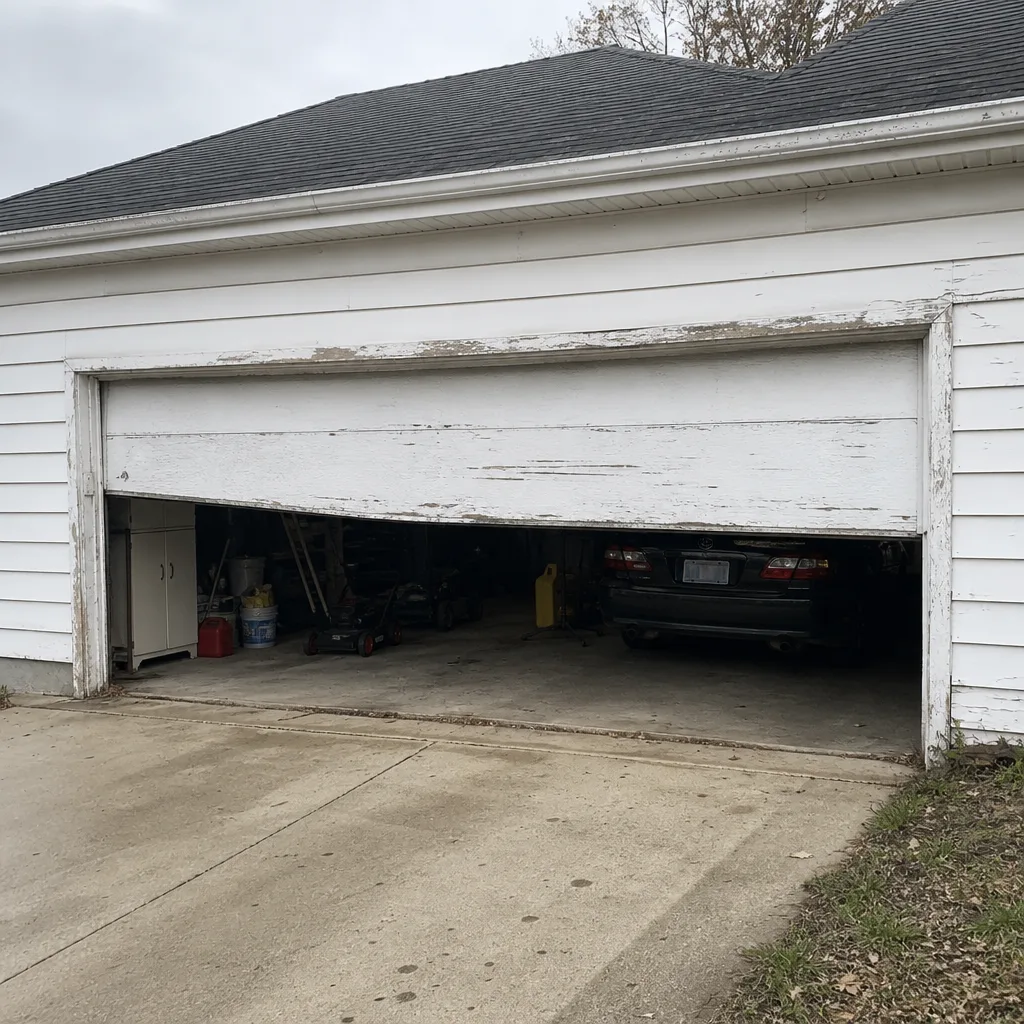 Before
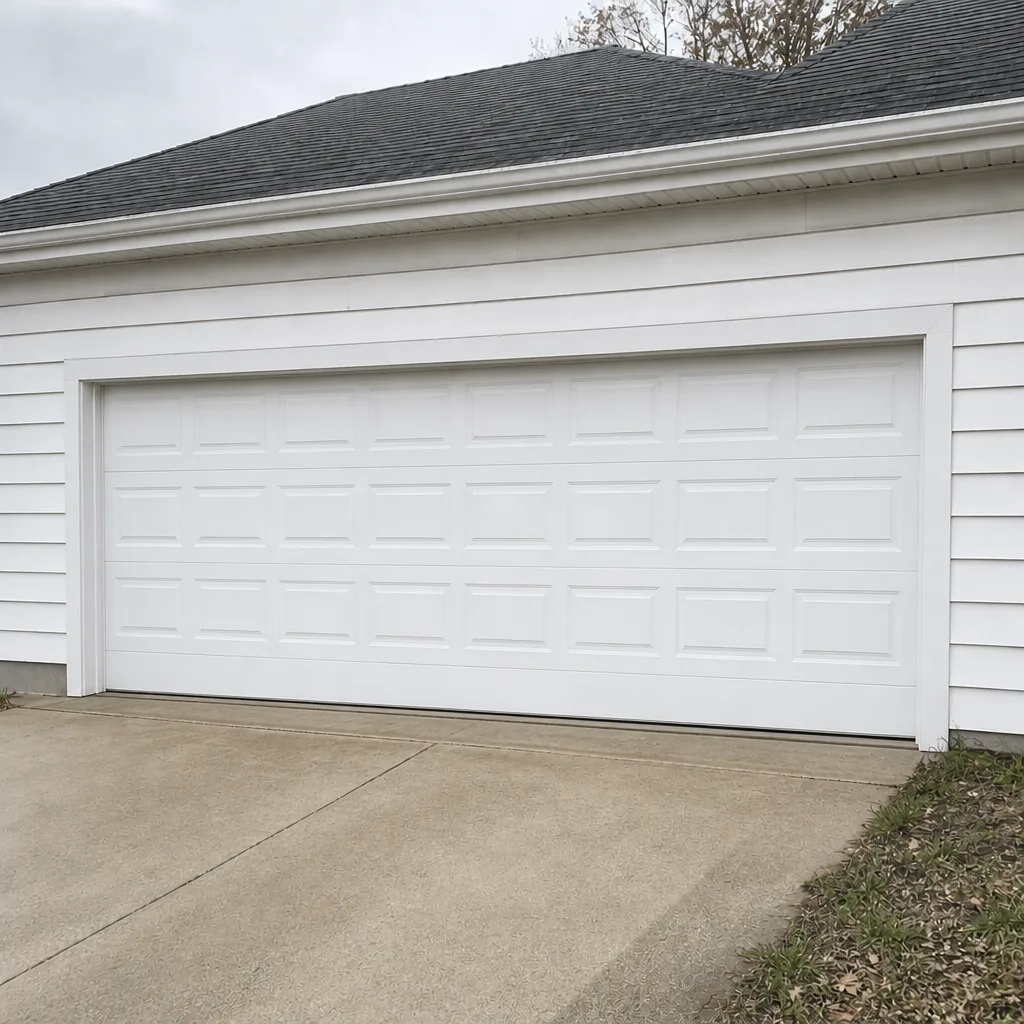 After
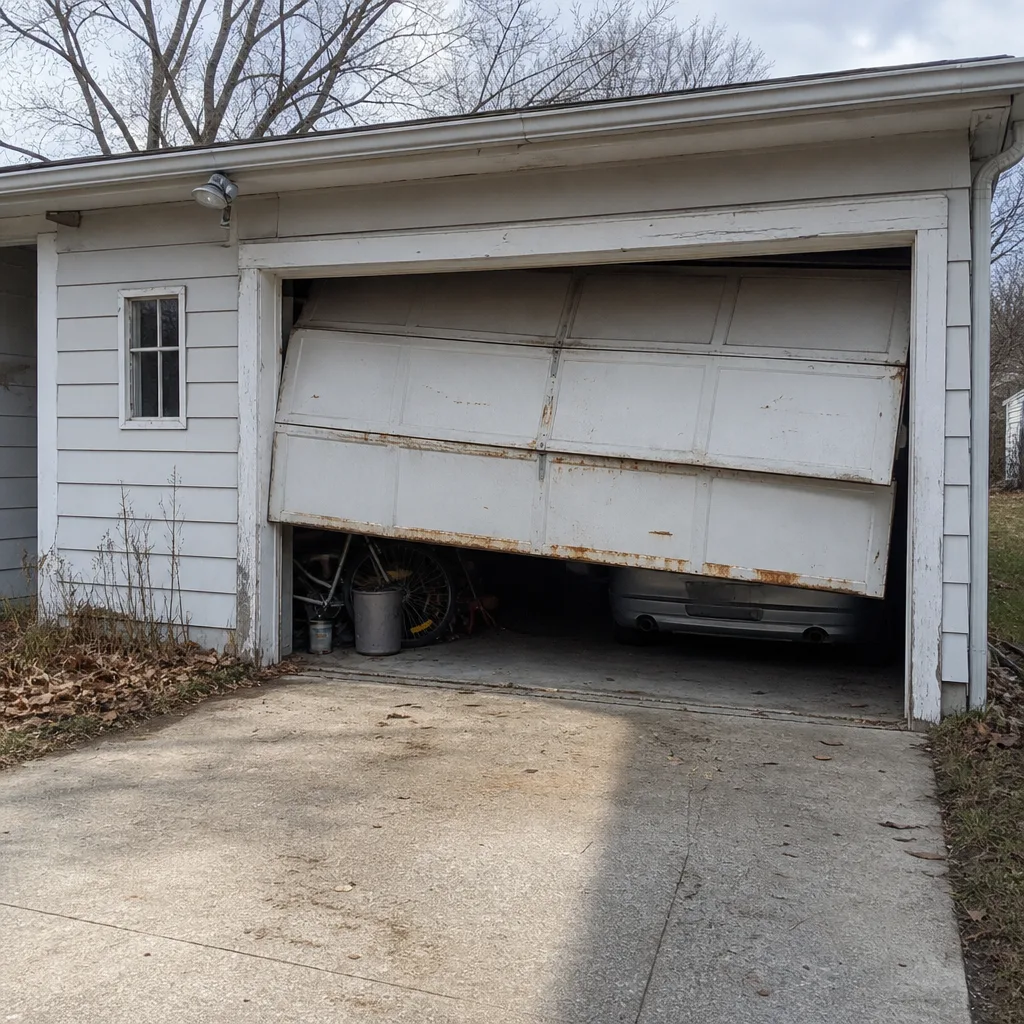 Before
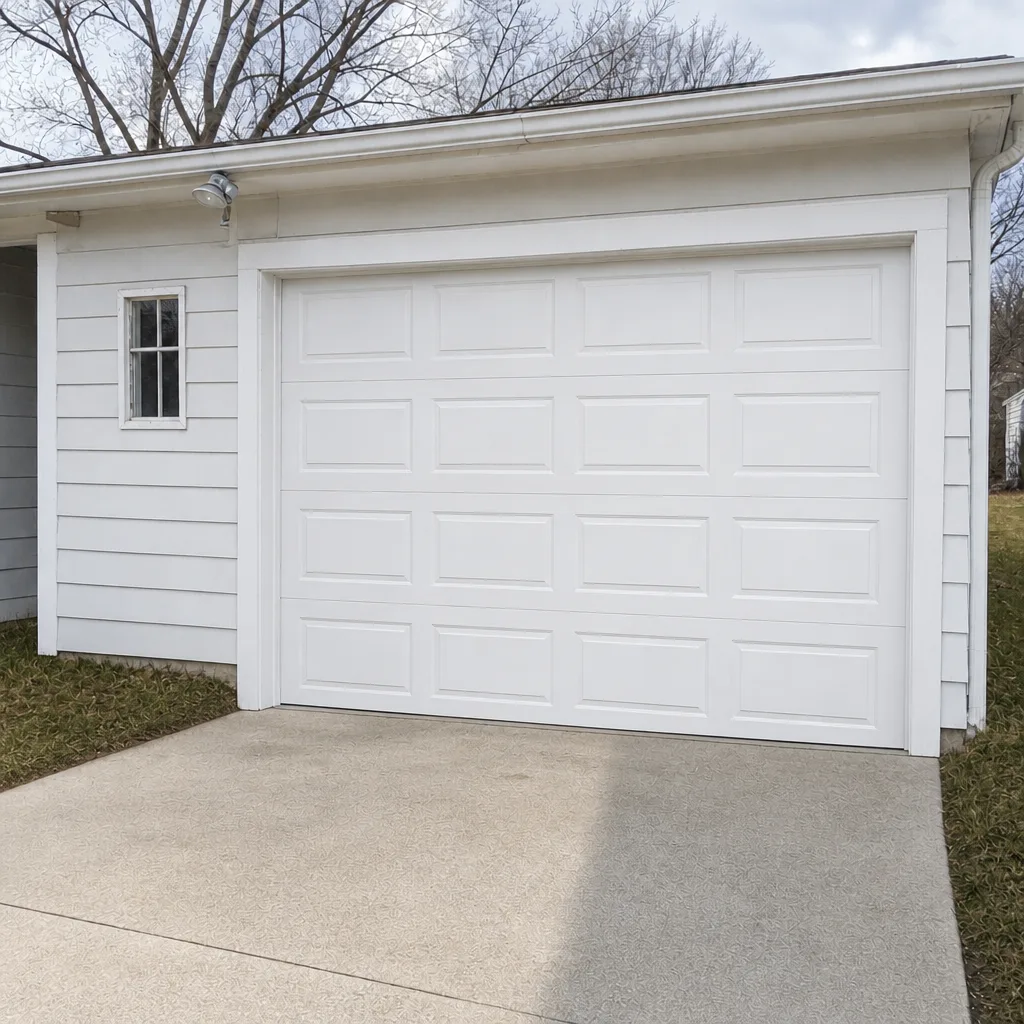 After
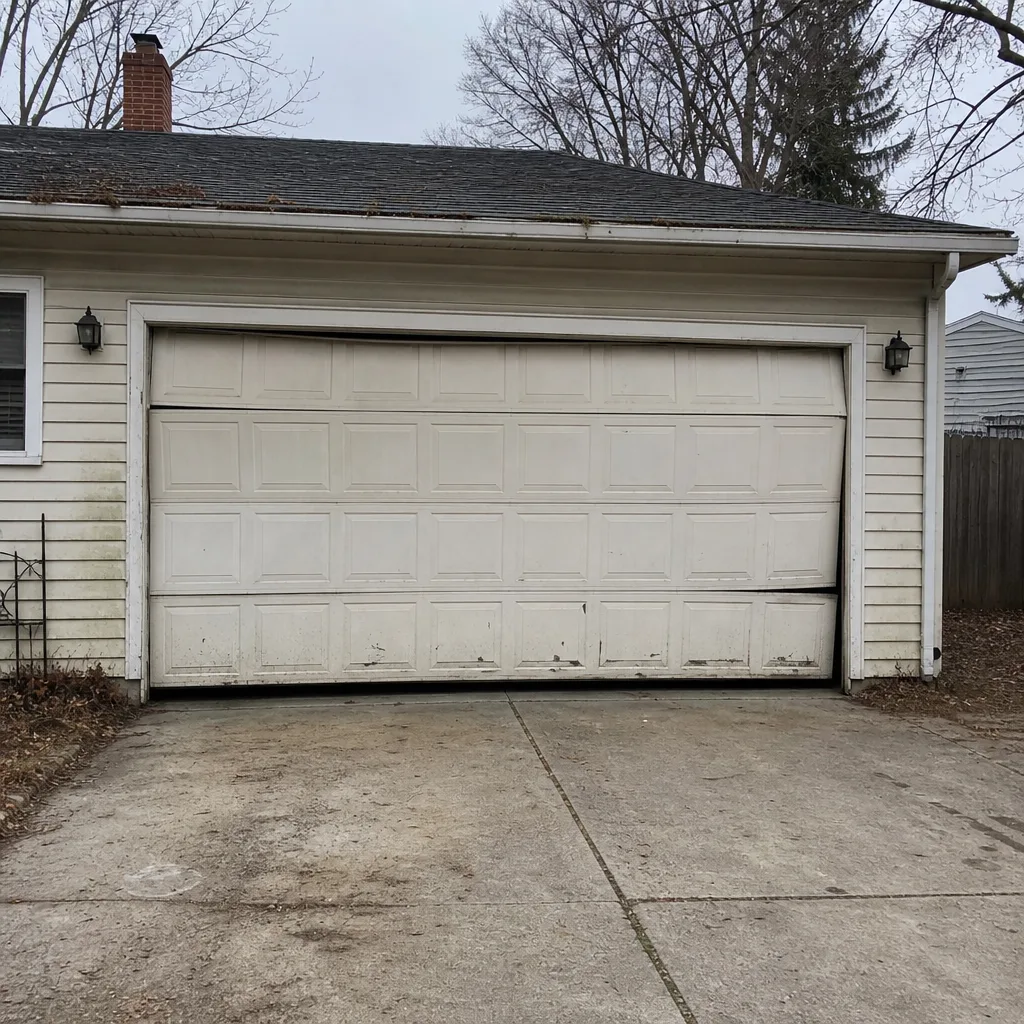 Before
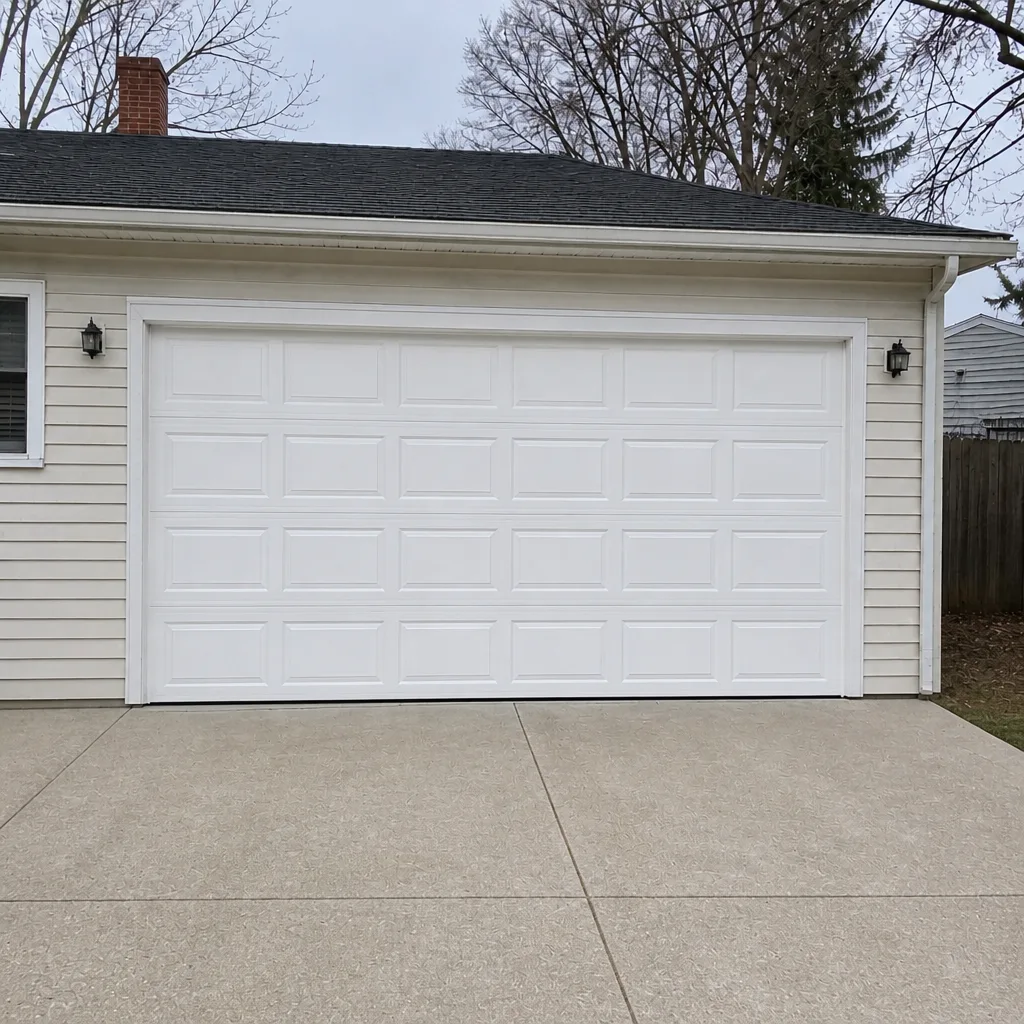 After
Common Mistakes to Avoid
- Assuming “won’t close” means a broken spring. A door that reverses before the floor is usually a sensor problem. A door that reverses after the floor is usually a force or travel-limit problem. Test before you buy parts.
- Running the opener while the door is bound or jammed. Holding the button and hoping the opener will push through a bind is one of the fastest ways to strip the drive gear or burn out the motor. If the door doesn’t move on the first press, stop.
- Adjusting the force setting to make a heavy door close. If the door is heavy, the springs are failing. Cranking up the force setting to compensate puts the whole load on the opener motor, which shortens its life and hides the real problem.
- Replacing a spring without checking both. Torsion springs come in matched pairs and are usually replaced together. Replacing just one means the other, having cycled the same number of times, is likely to fail within a few months.
- Ignoring a track that’s out of true. In Cuyahoga Falls, freeze-thaw heaving pushes tracks out of alignment quietly. A small bind that doesn’t matter in June can strain the opener by January. If a technician mentions a track is slightly off, have it corrected.
- Spraying the wrong things. Lubricating the opener’s rail is fine on some models. Lubricating a spring or the opener’s internal gears can trap dirt and accelerate wear. Read the manual before you reach for the spray can.
- Describing the problem in one sentence and hanging up. The five details from the documentation section (behavior, position, opener, what you tried, brand) make the difference between a same-day fix and a second visit.
When to Call a Professional
Call a technician if the door is off its tracks, if you’ve seen a snapped spring or a cable hanging loose, if the door is visibly crooked, or if the opener runs but the door won’t move. Those are all signals of stored energy in the system, and the safest move is to leave the door where it is. Call right away if the door is stuck in a storm and your home is left open, or if a broken spring has trapped your car and you need out. Cuyahoga Falls Garage Door Repair Pros offers free estimates in Cuyahoga Falls. Call (866) 857-0883, and the price is quoted and agreed before any work starts.
Frequently Asked Questions
A door that reverses before touching the floor almost always has a safety sensor problem. The photo-eye sensors at the bottom of the tracks are misaligned, dirty, or blocked, or the down-limit on the opener is set too high. Check that both sensor LEDs are solid, clean the lenses, and confirm nothing is in the beam’s path. Call (866) 857-0883 for an exact quote if the sensors look fine and the door still reverses; estimates are free.
Yes, and the fix is different. A door that touches the floor and then reverses is usually a force setting or down-travel limit problem, not a sensor problem. The opener is sensing an obstruction at the floor and reversing. Adjust the down-limit or the force setting per your opener manual, and test the door through a full cycle. If the door keeps reversing, call (866) 857-0883 for a repair visit.
Spring replacement on a single torsion spring typically runs $180 to $340 in the Cuyahoga Falls market, and since torsion springs come in matched pairs that are usually replaced together, a matched pair typically costs about twice that. The written estimate sets the final price. Call (866) 857-0883 for an exact quote; estimates are free.
Yes for repair calls. Our repair service covers same-day visits and fast dispatch, and emergency garage door service is available when a door is stuck and a car is trapped or the home is left open. The best thing to do is call as early as you can so we can get you on the schedule. Installation and full door replacement are measured and scheduled rather than same-day. Call (866) 857-0883.
No. The price is quoted and agreed before any work starts, so the written estimate is what you pay. If a technician finds something different from what was described on the phone, they’ll walk you through the new scope and quote it before starting, not after. You’ll never get an invoice bigger than the estimate you agreed to. Call (866) 857-0883 for a free estimate.
The local pro we connect you with is licensed and insured as their state requires. Our technicians have up to 8 years of experience with major brands including LiftMaster, Chamberlain, Genie, and Raynor, and the team works with your equipment rather than guessing. Call (866) 857-0883 for a free estimate.
The Bottom Line
A garage door is a system, not a single part. Springs, cables, tracks, rollers, and the opener with its sensors all have to work together, and the door’s behavior tells you which one is failing. A door that reverses before the floor points to sensors; a door that reverses after the floor points to force or travel limits; a door that pops and goes heavy points to a spring. In Cuyahoga Falls, winter freeze-thaw cycles stress the tracks and springs faster than you’d expect, so those two deserve attention first. Fix the safe things yourself, leave the tension work to a technician, and describe the problem clearly when you call so the fix happens on the first visit.
If you’ve narrowed it down and you’d rather have a trained tech take it from here, Cuyahoga Falls Garage Door Repair Pros can help. We work on your brand, we treat spring repair as its own specialty, and we handle everything from repair to opener repair to full door installation without sending you to a second company. Call (866) 857-0883 for a free estimate, and let’s get the door working right the first time.
Written by the team at Cuyahoga Falls Garage Door Repair Pros.