Last updated November 22, 2026
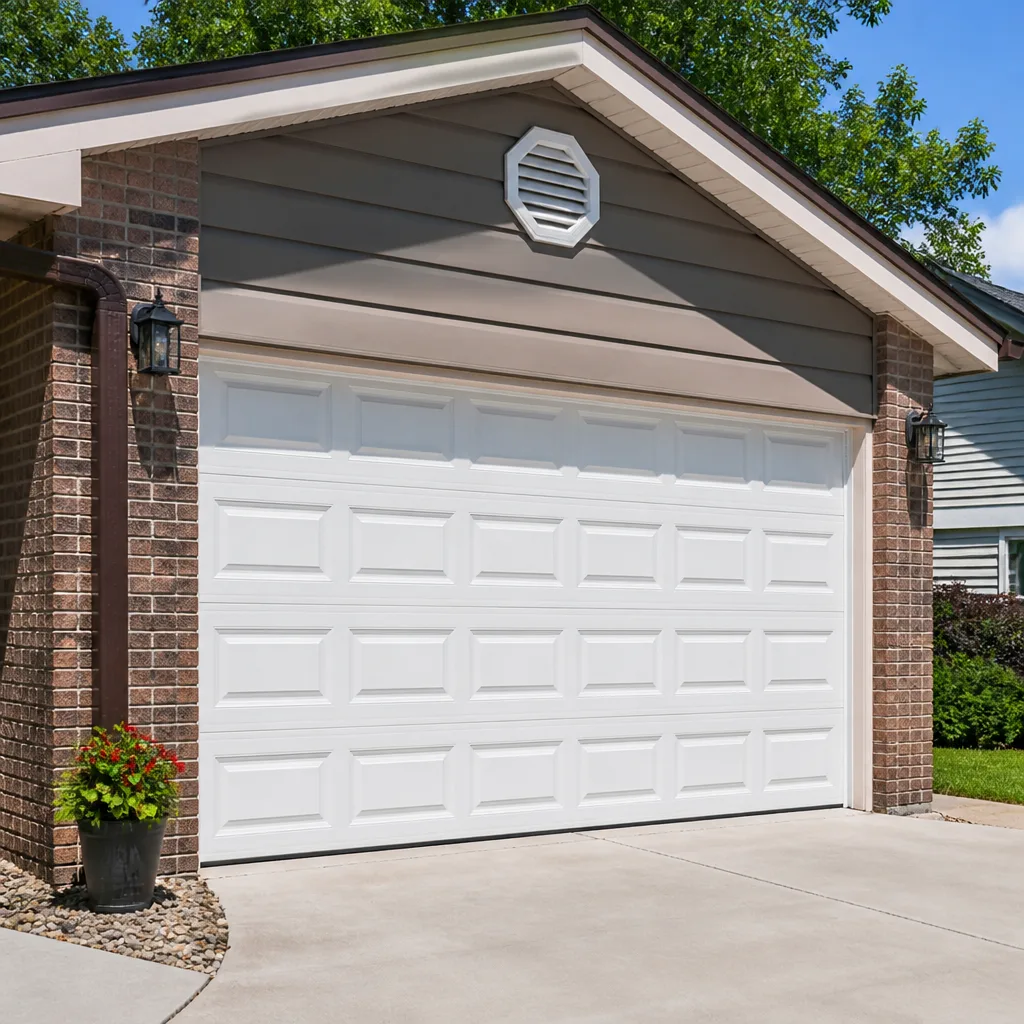 Raised-panel steel
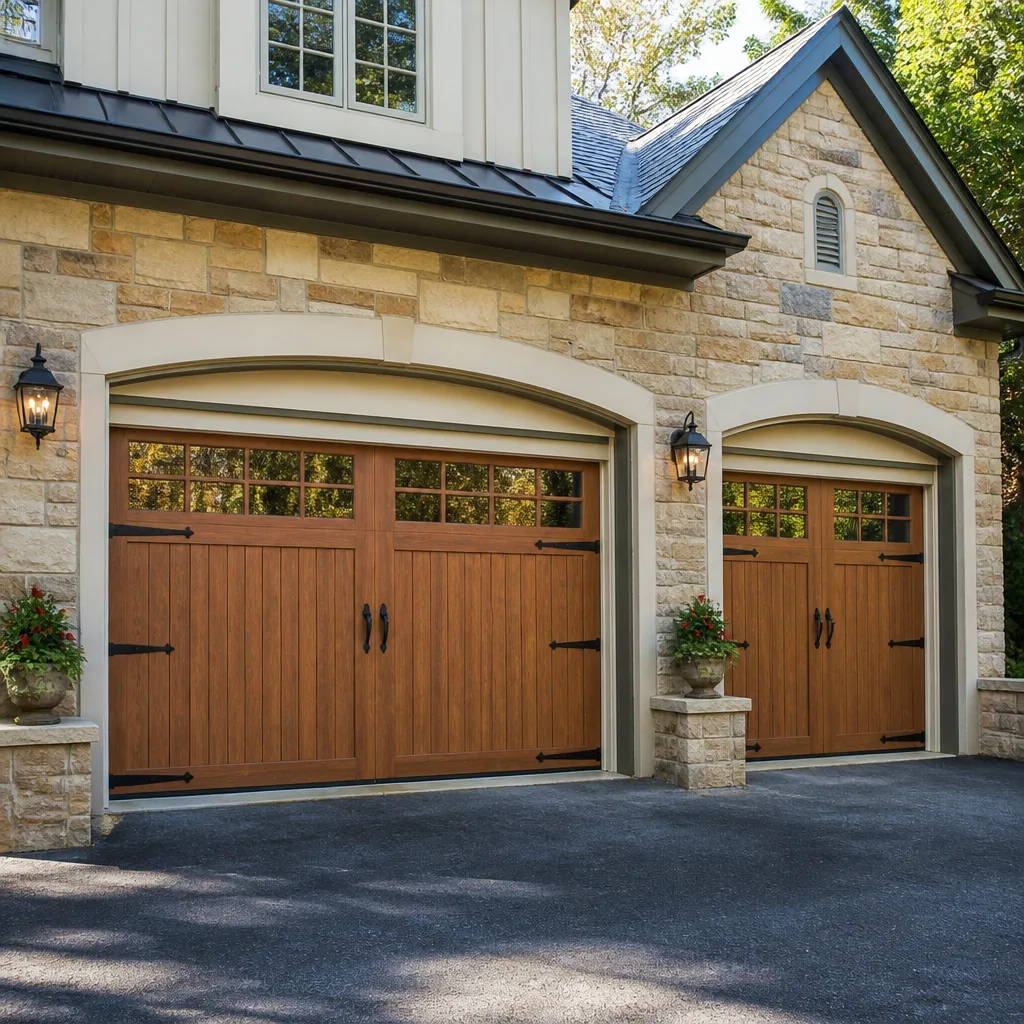 Carriage house
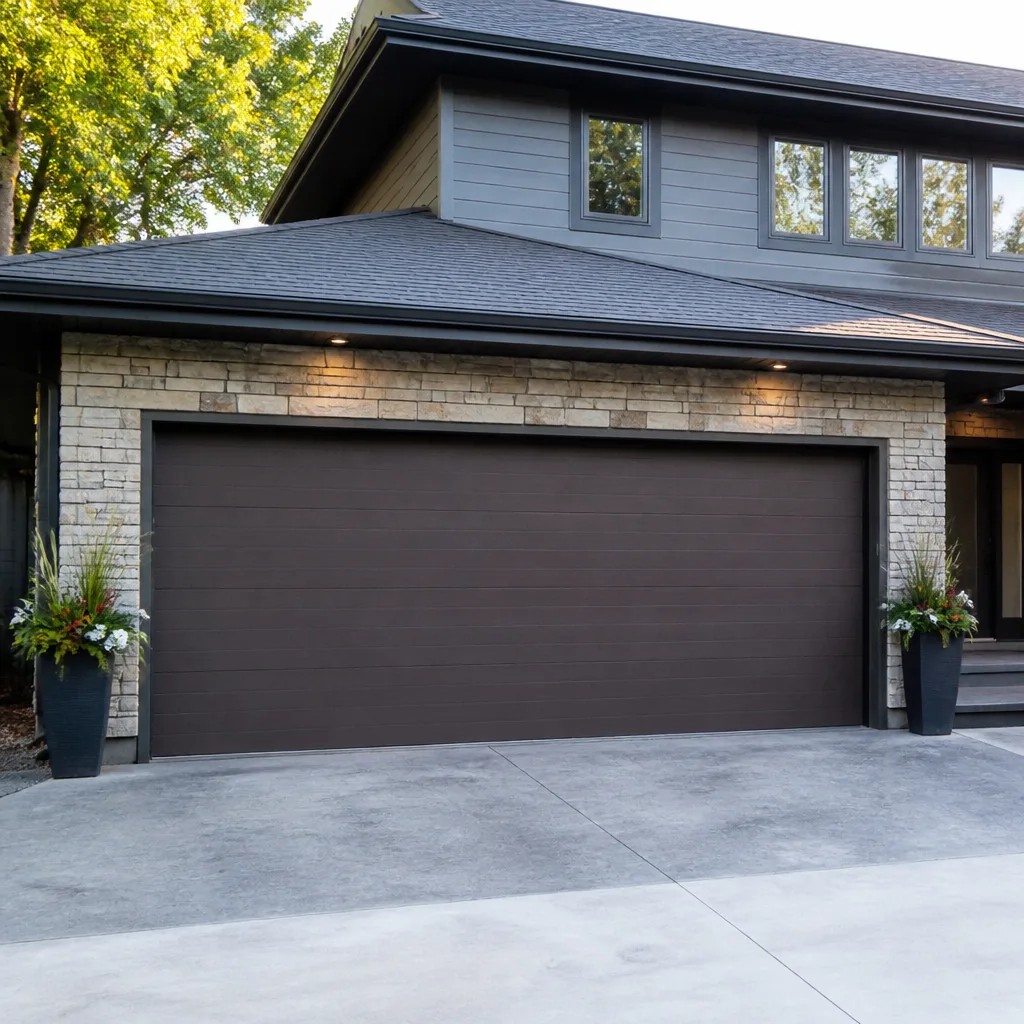 Modern flush
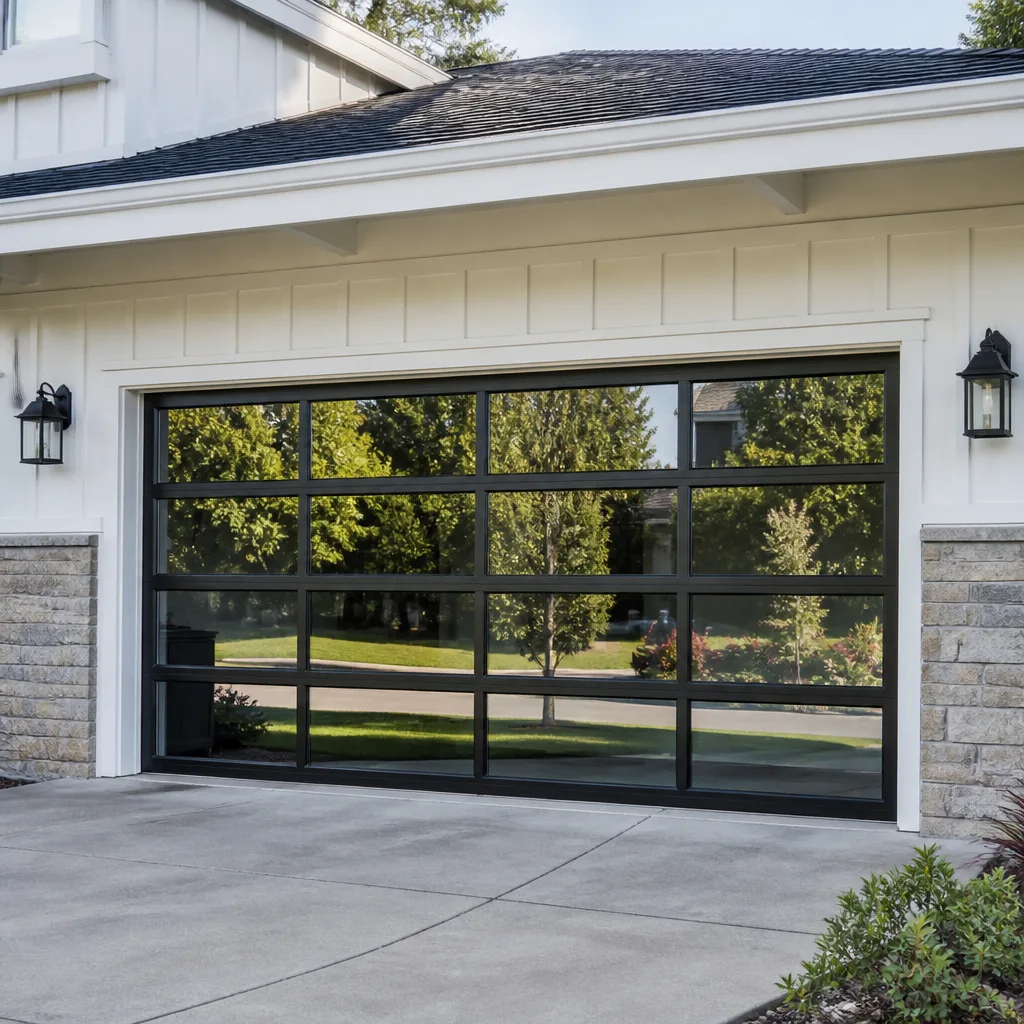 Full-view glass
 LiftMaster openers
 Chamberlain openers
Full 25-point door and opener safety check with every visit - springs, cables, rollers, tracks, and your LiftMaster or Chamberlain opener included
You get a price before we start. It does not change when the pro arrives.
Get your free estimateGarage Door Warning Signs: A Cuyahoga Falls Homeowner’s Reference Guide
Most garage door failures announce themselves before they happen. The problem is that homeowners hear the warning, decide it’s nothing, and reset the opener. A torsion spring that snaps does it with a sound like a gunshot inside the garage. Many people who hear that assume a box fell off a shelf, cycle the door again, and that’s exactly when the cable jumps its drum and the door comes down hard. The warning signs in this guide are sorted by urgency, not by how loud they are. Some mean watch it, some mean book a repair this week, and a few mean stop touching the door right now. This guide walks through each tier, then through what the grinding, popping, and scraping sounds actually point to, plus the opener error codes you’ll see on LiftMaster and Chamberlain units common around Cuyahoga Falls.
Quick Answer
Garage door warning signs fall into three tiers: monitor it (squeaking rollers, minor vibration), schedule repair this week (slow response, a door that reverses on its own, visible cable fraying), and stop using the door now (a snapped spring, a cable off its drum, a door hanging crooked, or any loud bang followed by a door that won’t lift). If you hear a bang and the door won’t open, stop cycling it and call (866) 857-0883. Free estimates, and the price is quoted and agreed before any work starts.
Styles & brands we work with
- Raised-panel steel
- Carriage house
- Modern flush
- Full-view glass
- LiftMaster openers
- Chamberlain openers
Table of Contents
- The Three-Tier Warning System: Monitor, Schedule, Stop
- Sound-Based Diagnosis: What Grinding, Scraping, Popping, and Rattling Mean
- Visual Symptom Index: Springs, Cables, Rollers, Tracks, and Panels
- Opener Warning Signs and Error Code Patterns
- Symptoms That Look Minor but Signal Imminent Failure
- Cuyahoga Falls Seasonal Patterns and What They Do to Your Door
- How to Run a 10-Minute Monthly Inspection
- Common Mistakes to Avoid
- When to Call a Professional
- Frequently Asked Questions
The Three-Tier Warning System: Monitor, Schedule, Stop
The most useful thing you can learn about garage doors is that not every symptom deserves the same response. Panic over a squeak wastes money. Ignoring a frayed cable risks your car, your door, or worse. Here’s how we sort symptoms when a Cuyahoga Falls homeowner calls us.
Tier 1: Monitor It
These are the sounds and sights that mean something is wearing but the door is still safe to operate. Note them, jot the date, and keep running the door normally.
- A light squeak or chirp during travel. Usually a dry roller or hinge pin.
- Faint vibration you can feel in the wall above the door. Often a loose bolt on a hinge or bracket.
- Rollers that look worn but are still round and seated in the track.
- Weather seal that’s cracked or flat but still attached.
Nothing here is an emergency. But Tier 1 items do tend to become Tier 2 items if you leave them alone for a couple of seasons.
Tier 2: Schedule Repair This Week
Something is actively degrading and the door is at risk of failing. Stop ignoring it. Schedule a repair within the week and avoid unnecessary cycling in the meantime.
- A grinding or scraping sound that repeats on every open or close.
- The door reverses on its own partway down, even with nothing in the path.
- A visible fray or kink in a cable.
- A door that’s become noticeably slower or heavier.
- Rollers that have gone flat or have visible chunks missing.
- A track with a visible bend or pinch.
- Opener that runs but doesn’t move the door reliably.
Tier 3: Stop Using the Door Now
These mean it’s not safe to cycle the door even once more. Call for emergency garage door service. Don’t try to lift it by hand or prop it open with a broomstick.
- A loud bang followed by a door that won’t open. That’s a snapped torsion spring.
- A cable off its drum or hanging slack on one side.
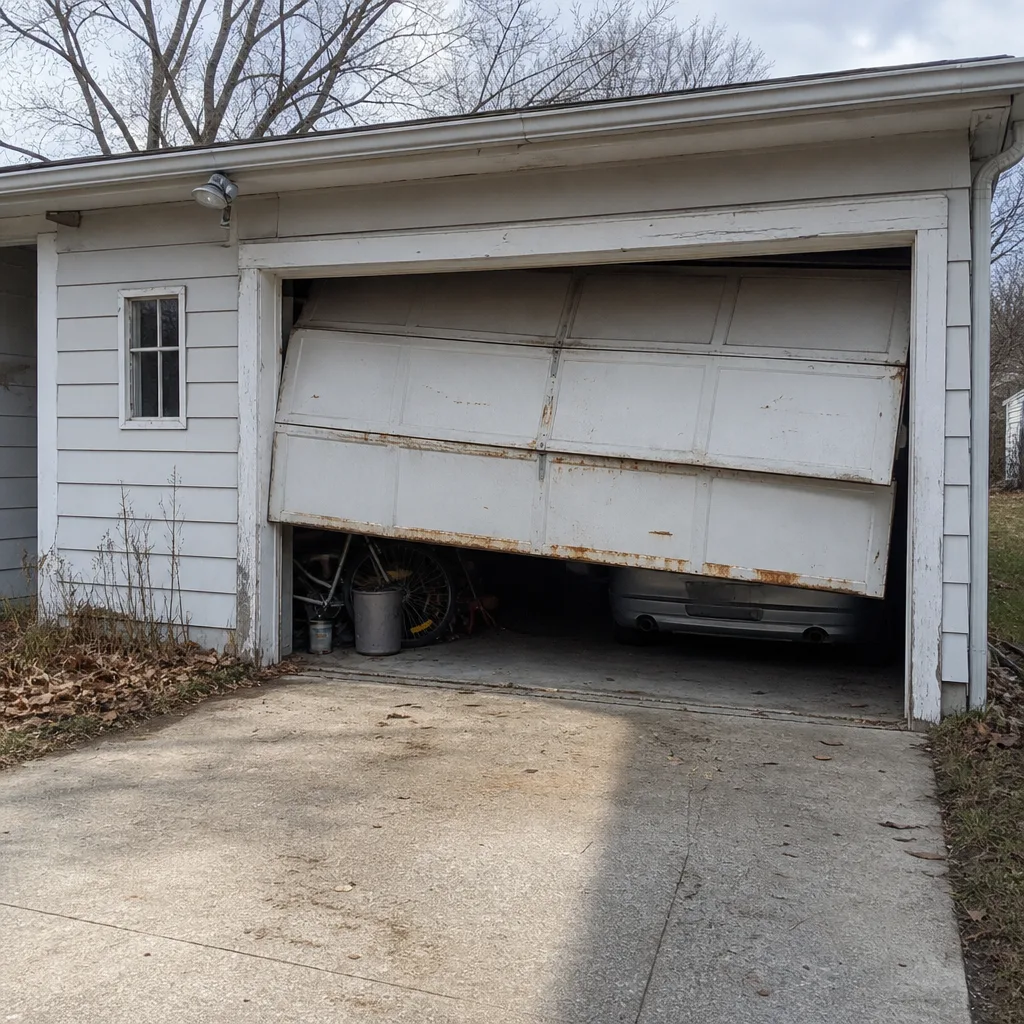
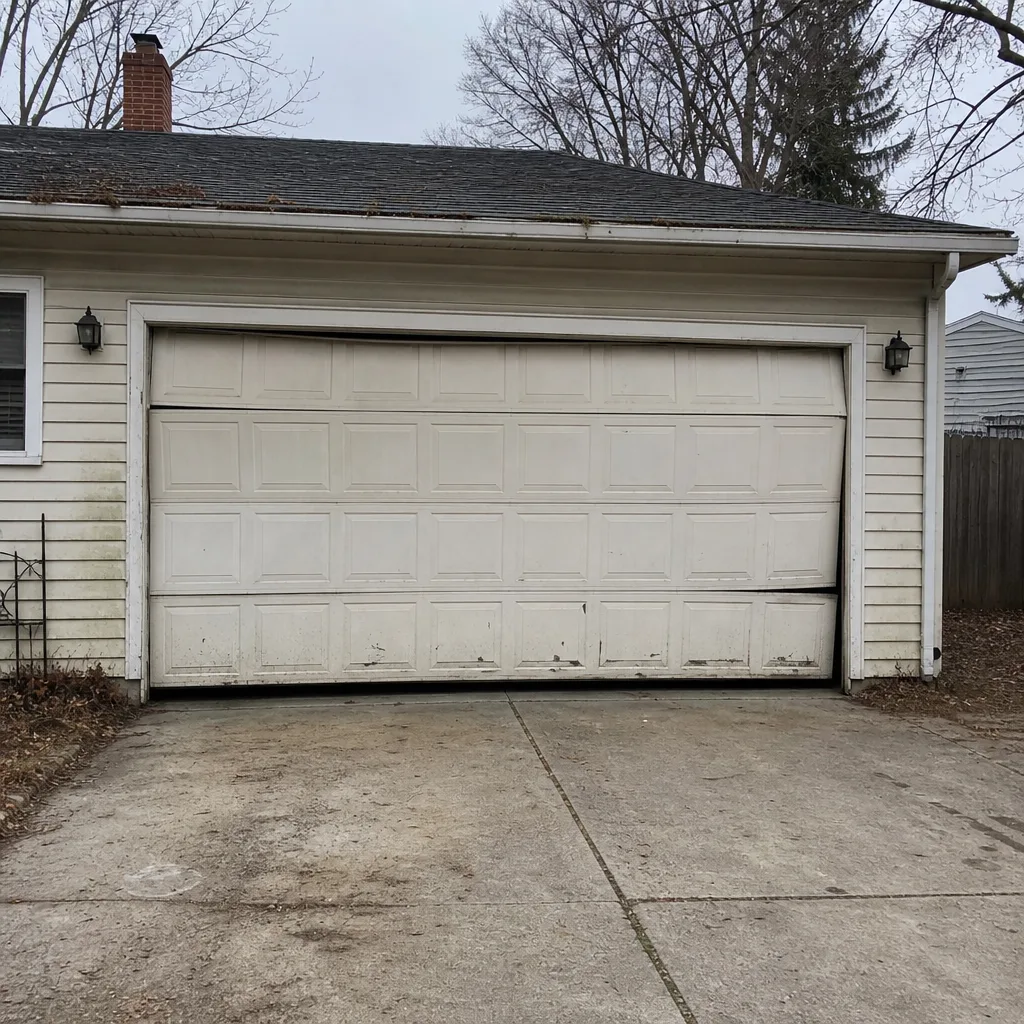
- A door hanging crooked, with one side noticeably lower than the other.
- A door that slams down hard instead of lowering smoothly.
- Any visible crack or break in a spring coil.
- A door that comes off its track entirely.
Torsion springs and cables are under extreme tension, and they can cause serious injury if someone untrained tries to touch them. That’s the line between “let’s book a visit” and “let’s call right now.”
Sound-Based Diagnosis: What Grinding, Scraping, Popping, and Rattling Mean
A garage door is mostly metal, wood or steel panels, and a few moving parts, so it’s basically a percussion instrument. The sound you hear tells you a lot about where the problem is. Here’s the practical sound guide we use.
Grinding
A steady, low grinding is almost always metal-on-metal contact somewhere it shouldn’t be. The two most common culprits are worn rollers dragging inside the track and a torsion spring that’s lost lubrication and begun to bind. If the grinding speeds up as the door moves faster, it’s rollers or hinges. If it’s constant, regardless of speed, look at the spring shaft.
Scraping
Scraping is a friction sound from a panel or seal dragging. The bottom weather seal can scrape if it’s torn and drooping. A bent track can cause the door edge to scrape against it. If you can see the door lean toward one side while it’s moving, the track on that side is likely bent.
Popping
A single loud pop during the first few inches of travel usually points to a torsion spring that’s slipping on its shaft or a hinge pulling out of a panel. A popping sound from the opener itself is often a stripped gear or a worn sprocket. Pop-once-and-then-fine can turn into pop-every-time quickly, so this one belongs in Tier 2.
Rattling
A loose bolt is the usual suspect. Rattling from above the door mid-travel is often a hinge or bracket. Rattling right at the opener is usually a chain or belt with loose tension. Rattling in the tracks can be rollers that have lost their round shape.
What a Bang Means
A loud bang is different from every other sound on this list. A bang followed by a door that runs easily but won’t lift at all means the torsion spring has broken. A bang followed by a door that opens and then drops is a spring and a cable. Either way, stop. Call us. This is a Tier 3 event.
If you can describe the sound, where on the door it comes from, and when it happens (opening, closing, or just first inch), you’ve done most of the diagnostic work for us. When we roll up to a Cuyahoga Falls home and you can tell us “it pops when opening and stops after the first foot,” we know what to grab before we start.
Visual Symptom Index: Springs, Cables, Rollers, Tracks, and Panels
You can learn a lot just by looking. Here’s what to check and what each finding means. Keep a flashlight handy and check from the ground, not on a ladder that gets you up close to the spring shaft.
Springs
- Visible gap in the coil: a snapped torsion spring or a broken extension spring. Stop using the door.
- Sagging spring: torsion springs stretch slightly as they age. A spring that looks significantly longer or leaner than it used to is nearing failure.
- Rust streaks: common in Cuyahoga Falls garages that see a lot of freeze-thaw, and a sign the spring is losing tension.
- Extension springs without safety cables: these need safety cables. Older doors often have them missing.
Cables
- Fraying near the drum: replace now. This is the early stage of a snapped cable.
- Cable lying loose: the cable has come off. Tier 3.
- Cable that’s visibly rusted or kinked: Tier 2. It won’t survive another season.
- One cable tighter than the other: a sign the door is out of balance.
Rollers
- Flat spots or chunks missing: Tier 2, replace soon.
- Roller visibly outside the track: Tier 3, don’t run the door.
- Rusty or frozen roller: Tier 1 to Tier 2, depending on how bad. Nylon rollers are often a good upgrade.
Tracks
- Bend or dent: causes scraping and premature roller wear. Schedule repair.
- Track pulled away from the frame: Tier 3. The door can come off.
- Debris in the track: clear it with a rag. Easy fix.
Panels
- Dents: cosmetic usually, but a crushed hinge can turn into a mechanical problem.
- Cracks in wood panels: especially common in garages that see a lot of seasonal movement.
- Panels loose from the frame: Tier 2. Left alone they can drop.
Opener Warning Signs and Error Code Patterns
Opener trouble is different from door trouble, and the split matters. If the door sounds fine but the opener runs without moving the door, that’s an opener problem. If the door is struggling and the opener is working hard, the problem is on the door side. Here’s how to tell them apart, plus the error code patterns we see most.
Signs the Opener Is the Problem
- The motor hums but the door doesn’t move.
- Door travels a few inches and then reverses.
- Wall button works but the remote doesn’t.
- Remote works intermittently even with fresh batteries.
- Up-arrow or down-arrow light flashing in a pattern.
LiftMaster and Chamberlain Error Code Patterns
Most modern LiftMaster and Chamberlain units from the last decade and a half use the same code language for the two LEDs on the back of the opener (up arrow and down arrow).
- Five flashes on the up arrow, repeated: the opener thinks something is blocking the safety sensors. Check for spider webs, a bumped sensor bracket, or a sun angle issue.
- One flash then a pause, repeated: the safety sensors aren’t aligned or aren’t receiving power. Often a wire has come loose.
- Two flashes on the down arrow: the door is binding or something is in the track.
- Four flashes on the down arrow: door travel limit needs adjustment or the door binds against the floor.
- Six flashes: motor overload. Stop cycling and call.
- Flashing on the wall button itself: usually a diagnostic lockout, and it’s usually telling you to look at the sensor alignment.
Genie and Raynor units use different signaling – Genie often relies on audible beeps and specific LED patterns on the power head, and Raynor’s light patterns vary by model. If you tell us what you see and hear and which brand the opener is, we can usually narrow it before we arrive.
When the Opener Isn’t the Problem
If the opener is drawing high current because the door is binding, it will eventually fail trying to force a door it can’t lift. That’s why we always check the door first. Replacing an opener on a door with a bad spring just puts a new opener on a broken door. The right diagnosis saves that money.
Symptoms That Look Minor but Signal Imminent Failure
These are the ones we wish more homeowners noticed. They don’t sound like emergencies, but they’re the early stages of things that become emergencies.
- A single odd bang when the door is opening and then everything seems fine. A brand-new spring has snapped, and the door is now being carried by the other spring and the cables. Don’t cycle it. It will fail on the next use.
- A slight lean in the door when it’s partway down. One cable is slack or one spring is weaker than the other. This is the setup for a dropped door.
- A thin fray line on a cable you can see with a flashlight. That’s one strand of several gone. The rest will follow.
- One roller sitting slightly out of its track. It’s one bump away from a jammed door.
- A click from the opener and then nothing. Worn capacitor or relay. Fine for now, not tomorrow.
- A door that “bounces” at the bottom. A sign the travel limit is off, or a spring is losing tension. The door slams harder than it should.
- A weather seal that’s pulled away from the door bottom on one side. Could be uneven travel, not just a seal issue. Worth having checked.
If you recognize two or more of these in your Cuyahoga Falls home, call and ask for a quick check. That’s the kind of thing we can often catch before it turns into an emergency visit.
Cuyahoga Falls Seasonal Patterns and What They Do to Your Door
Cuyahoga Falls sits in northeast Ohio, near the Cuyahoga River valley and the Gorge Metro Park, and the garage doors here live a harder seasonal life than doors in milder climates. Understanding that pattern is half of prevention.
Freeze-Thaw Cycles
Winter in the Falls delivers repeated freeze-thaw cycles. Water seeps into cracks in the concrete apron, into the bottom seal, and into any small gap in a spring’s finish. When it freezes and thaws, it works those gaps wider. Springs rust, seals split, and hinges work loose. The sound that shows up in late winter is often the accumulated damage from December through February.
Damp Garage Air
Garages along the valley, particularly those near the river and older neighborhoods like Downtown Cuyahoga Falls and the Chapel Hill area, tend to hold damp air. That humidity drives rust on steel rollers, hinges, and the bottom few inches of a door’s panels. Nylon rollers and a light seasonal lubrication schedule help a lot here.
Summer Heat and Expansion
The opposite problem shows up in July and August. Wood and steel both expand, panels swell, and a door that ran quietly in April starts to bind in August. If your door gets sticky in July and smooths out in October, you’re seeing temperature-driven expansion, and the answer isn’t to force it.
Oak Leaves and Debris
Fall brings oak and maple leaves across most Cuyahoga Falls yards, and they find their way into tracks and onto the floor under the door. A leaf under the bottom seal is enough to trip the safety reverse on some doors. Clear the tracks each fall, especially if your garage faces a tree line.
How to Run a 10-Minute Monthly Inspection
Ten minutes once a month is the single best thing you can do to prevent a Tier 3 failure. Here’s the walk-through.
- Stand back and look at the door from the street. Is it straight? Is either side lower than the other? Are any panels visibly bowed?
- Check the spring. From the ground, look for a gap, a sag, or heavy rust. Don’t touch it. If you see a gap, stop and call.
- Look at both cables. They run from the bottom corners of the door up to the drums above. Any fray, kink, or slack, note it. Don’t try to fix it.
- Open the door partway and stop it. Let it sit. If it drops on its own, tier 3. If it stays put, continue.
- Open it fully and listen. Note any snag, squeal, pop, or bang. Sounds you hear once are worth writing down.
- Look at the rollers from the side of the track. They should be round and seated.
- Wipe out the tracks with a rag. Don’t lubricate the tracks. It collects dust and turns into a paste.
- Test the safety reverse. Place a piece of wood about the height of a 2×4 flat on the floor under the door path, close the door, and confirm it reverses on contact.
- Test the sensors. Wave something across the sensor beam while the door is closing. It should reverse.
- Check the opener LEDs. No flashing codes means no active error. A single flash or a repeating pattern tells you the exact fault.
Do this in about ten minutes on the same day each month and you’ll catch nearly every serious warning sign in its early stage. The most common call we get from Cuyahoga Falls homeowners who do this regularly is a prepaid, planned spring replacement – not an emergency.
Common Mistakes to Avoid
- Resetting the opener after a loud bang. The bang means the spring broke. Cycling the door again is when the cable derails and the door drops. Stop and call.
- Trying to lift a stuck door by hand to get the car out. A door with a snapped spring weighs far more than the lift mechanism can handle and way more than you expect. It can drop while you’re under it.
- Lubricating the tracks. Tracks need to stay clean and dry. Oil attracts grit and the rollers slide instead of roll. Lubricate hinges and the spring shaft, not the track.
- Ignoring a faint noise for three seasons. The grinding that starts in fall often ends in a broken spring by spring. Small sounds are the cheapest time to fix them.
- Replacing an opener to fix a door problem. If the door binds, no opener will fix it. Diagnose the door first in a Cuyahoga Falls home before assuming the opener is at fault.
- Adjusting travel limits without checking the door first. A door that bounces or reverses is usually telling you something about the door, not the opener setting.
- Calling a general handyman for spring or cable work. Springs and cables are under serious tension and require the right tools and the right training. That’s the line where you want a garage door specialist, not a general contractor.
When to Call a Professional
Call for any Tier 3 symptom, and call for any Tier 2 symptom you can’t trace to a simple fix like a loose bolt or a bit of debris. Call if you’ve had two or more Tier 1 symptoms for more than a month. Call if you’re not sure which tier something belongs to. And call for a planned tuneup or a spring replacement you know is due before a busy season.
Cuyahoga Falls Garage Door Repair Pros offers free estimates in Cuyahoga Falls and works on LiftMaster, Chamberlain, Genie, Raynor, Clopay, Amarr, Wayne Dalton, and Craftsman equipment. When the door won’t move, we can get you in for a same-day visit during the day and emergency garage door service outside it. Our technicians have up to 8 years of experience, and the price you’re quoted is the price you pay – the estimate is agreed before any work starts. Call (866) 857-0883.
For anything spring- or cable-related, we strongly recommend calling rather than attempting a fix yourself. For a comprehensive service summary, see Cuyahoga Falls Garage Door Repair Pros. If you’re dealing with a door that won’t open at all, our guide to garage door repair covers what a typical visit involves, and if the door itself is fine but the motor isn’t, garage door opener repair is the right starting point.
Frequently Asked Questions
Repair costs in Cuyahoga Falls depend on what’s failing. A single torsion spring replacement typically runs about $180 to $340; a matched pair is usually replaced together and costs roughly twice that. Roller replacement runs roughly $10 to $20 per roller, hinge replacements around $5 to $15 per hinge, and cable replacements about $100 to $200 per side. Opener repairs are usually priced per fault. Call (866) 857-0883 for an exact quote. Estimates are free, and the written estimate sets the price before any work starts.
Often, yes. A single loud pop from the torsion spring area usually means the spring has snapped, even if the door still opens. The door is now being carried by one spring or the cables alone, and the next cycle is when a cable can derail. Treat a pop followed by any change in how the door runs as a Tier 3 event: stop cycling the door and call.
A steady grinding almost always means metal-on-metal contact. The most common causes are worn rollers dragging in the track and a torsion spring that’s lost lubrication and begun to bind. If the grinding speeds up as the door moves faster, it’s the rollers. If it’s constant, look at the spring shaft. Either way, it’s a Tier 2 issue and worth a repair visit within the week.
They’re a code. Five flashes on the up arrow usually means the safety sensors think something is blocking them. One flash usually means the sensors aren’t aligned or aren’t receiving power. Two flashes on the down arrow usually means the door is binding. Four flashes usually means the travel limit needs adjustment. Six flashes usually means motor overload. Six flashes means stop cycling and call.
For most repair calls, yes. Same-day service is available during the day for repair calls in Cuyahoga Falls, and emergency garage door service covers the situations that can’t wait until a scheduled daytime visit – a car trapped, a home left unsecured, or a door that won’t close. New door installation and full replacement are scheduled rather than same-day, because the door is measured and ordered. Call (866) 857-0883 and we’ll get you the next available window.
Per spring. A single spring replacement typically costs about $180 to $340. Since most torsion systems run a matched pair and replacing one without the other usually means the second fails shortly after, replacing both together is the standard recommendation and costs roughly twice the single-spring price. The written estimate covers both before work starts, so there are no surprises.
The Bottom Line
Warning signs on a garage door are not all created equal. The squeak that starts in October can wait a few weeks; the pop you hear on a Tuesday can’t wait at all. Sort what you’re hearing and seeing into the three tiers: monitor it, schedule it this week, or stop using the door now. The single most important thing to remember is that a loud bang from the torsion spring is the beginning of a dangerous sequence, not a small glitch – stop cycling the door and call. Run a ten-minute inspection once a month, and you’ll catch most of these in their cheapest stage. When something’s uncertain or you don’t want to guess, call us at (866) 857-0883 for a free estimate. Our team works on eight of the most widely installed brands and schedules same-day repair visits for Cuyahoga Falls homeowners. We’ll walk through what we find, quote the price in writing, and get the agreement before we open the toolbox. For the deeper dive into how we handle garage door spring repair, start there.
Written by the team at Cuyahoga Falls Garage Door Repair Pros.
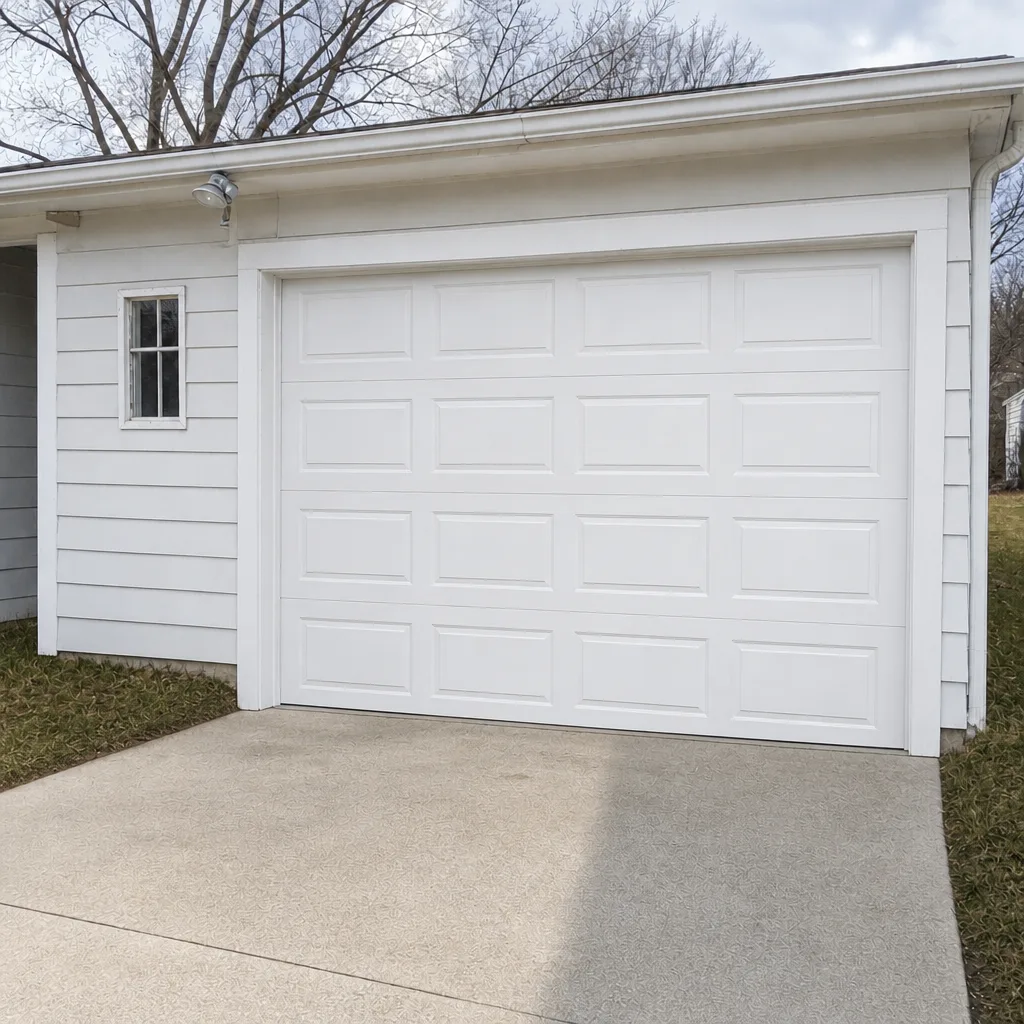
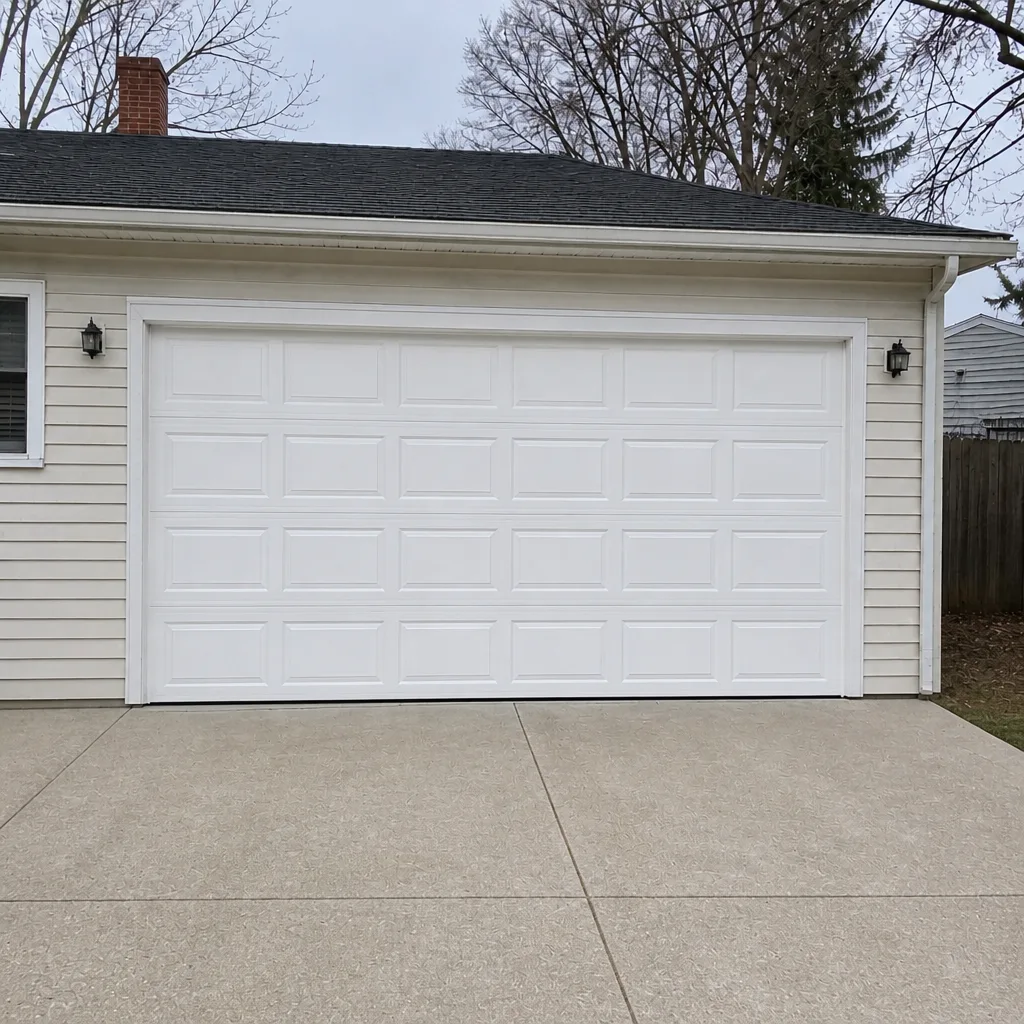
See the difference
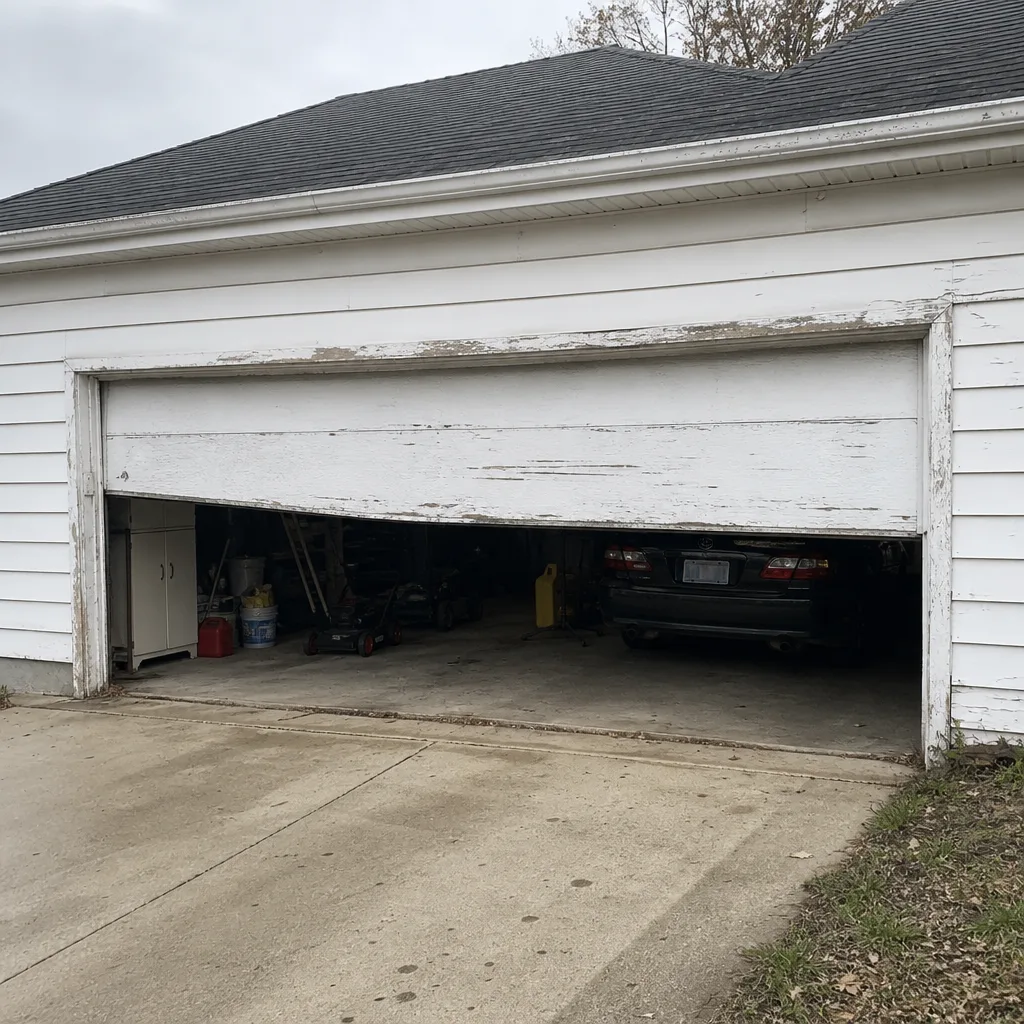 Before
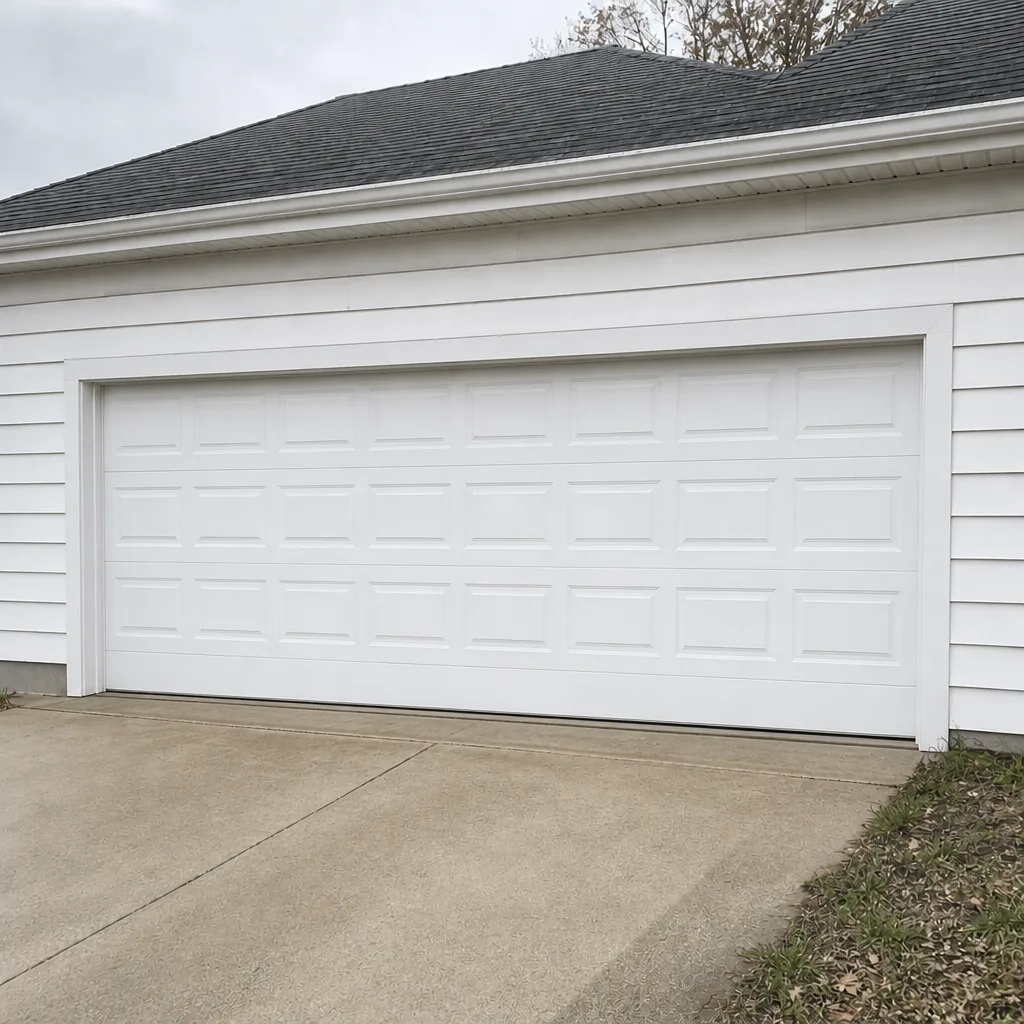 After
 Before
 After
 Before
 After