Last updated November 22, 2026
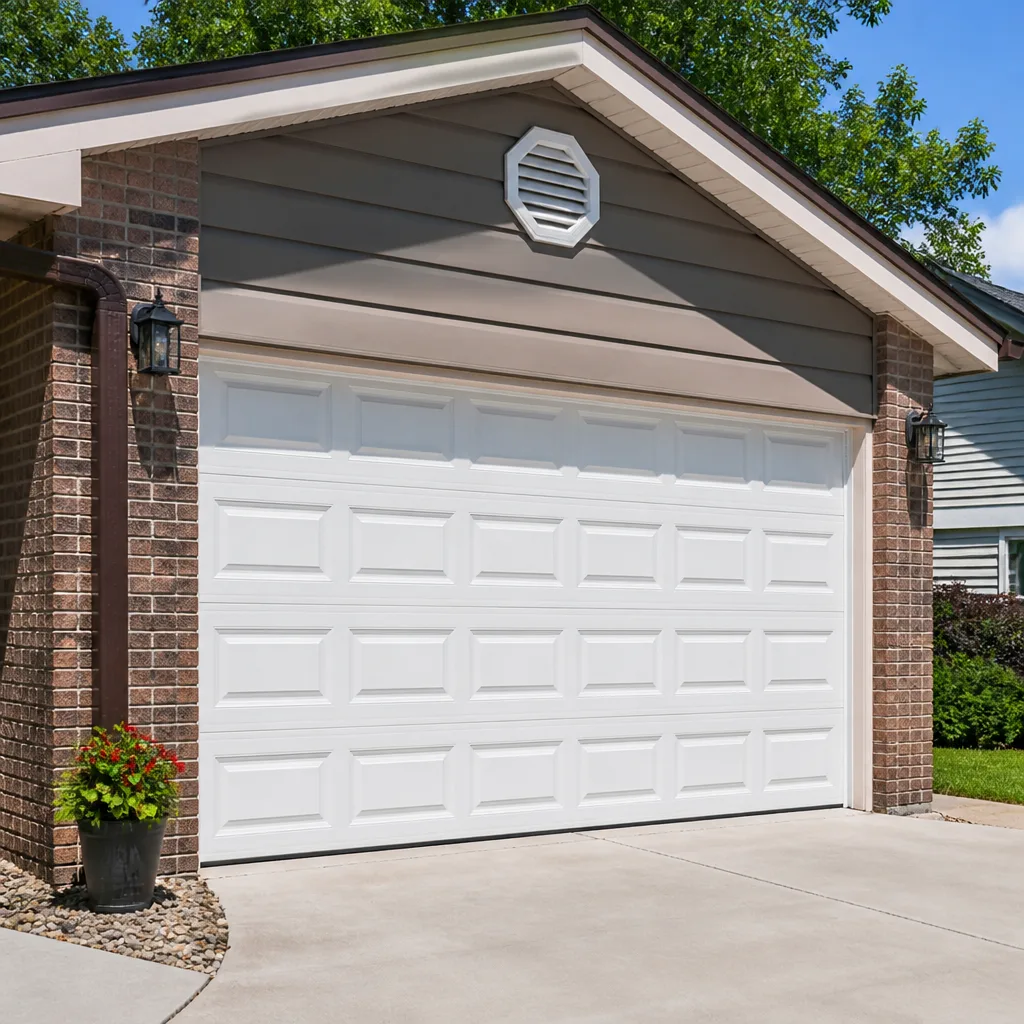 Raised-panel steel
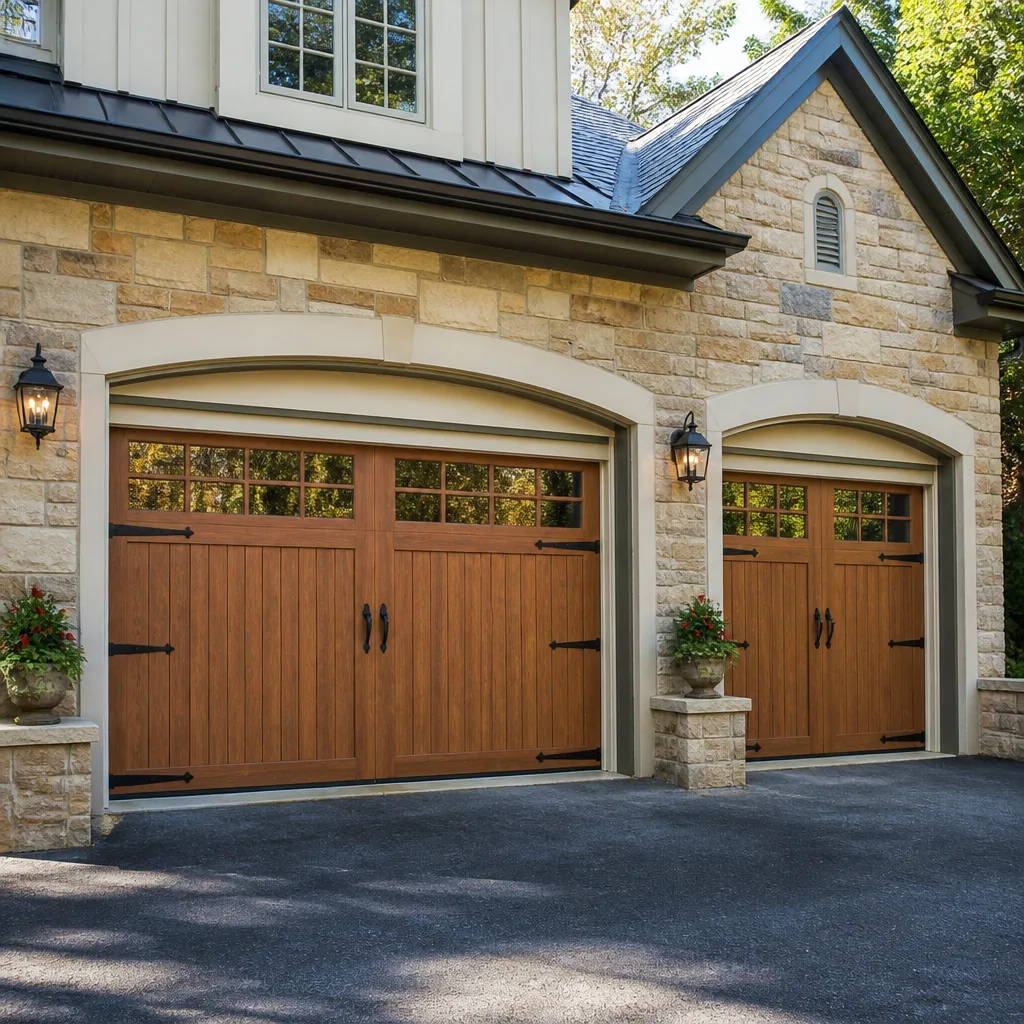 Carriage house
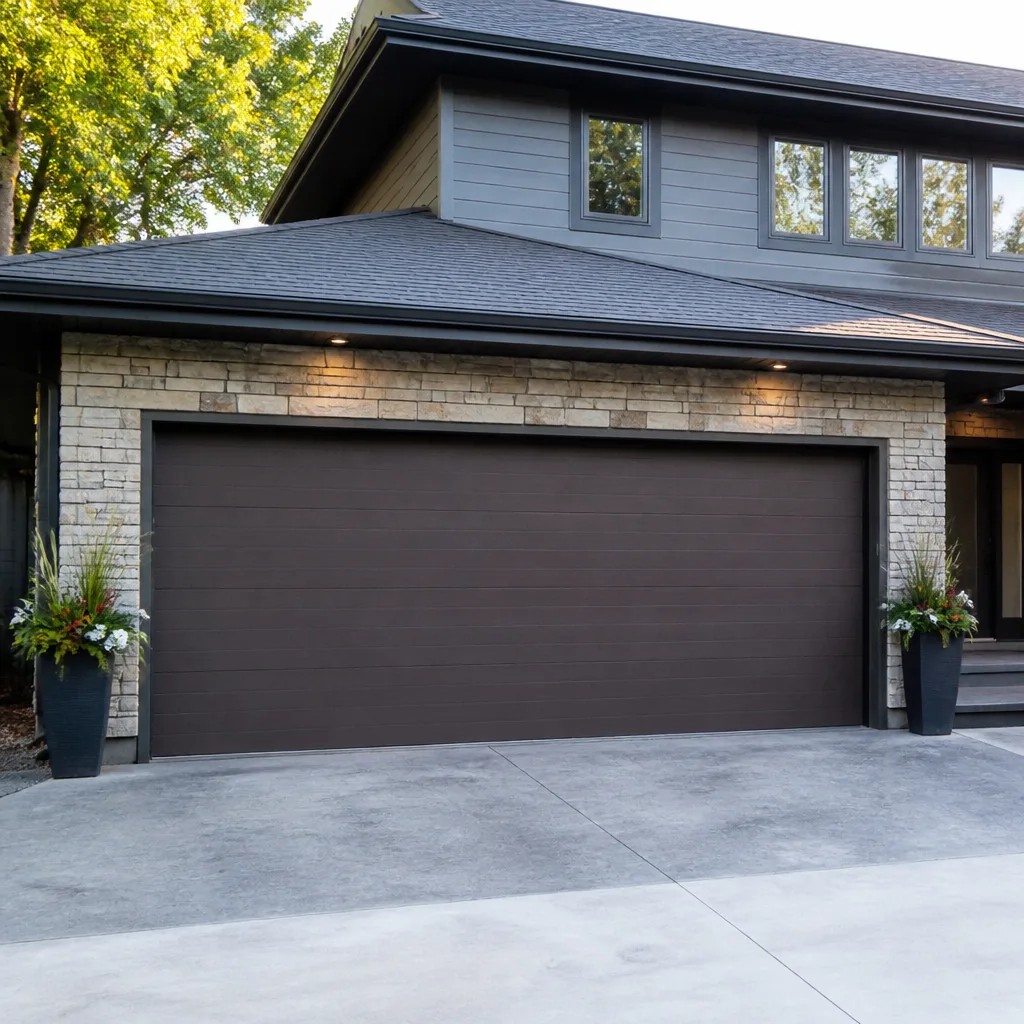 Modern flush
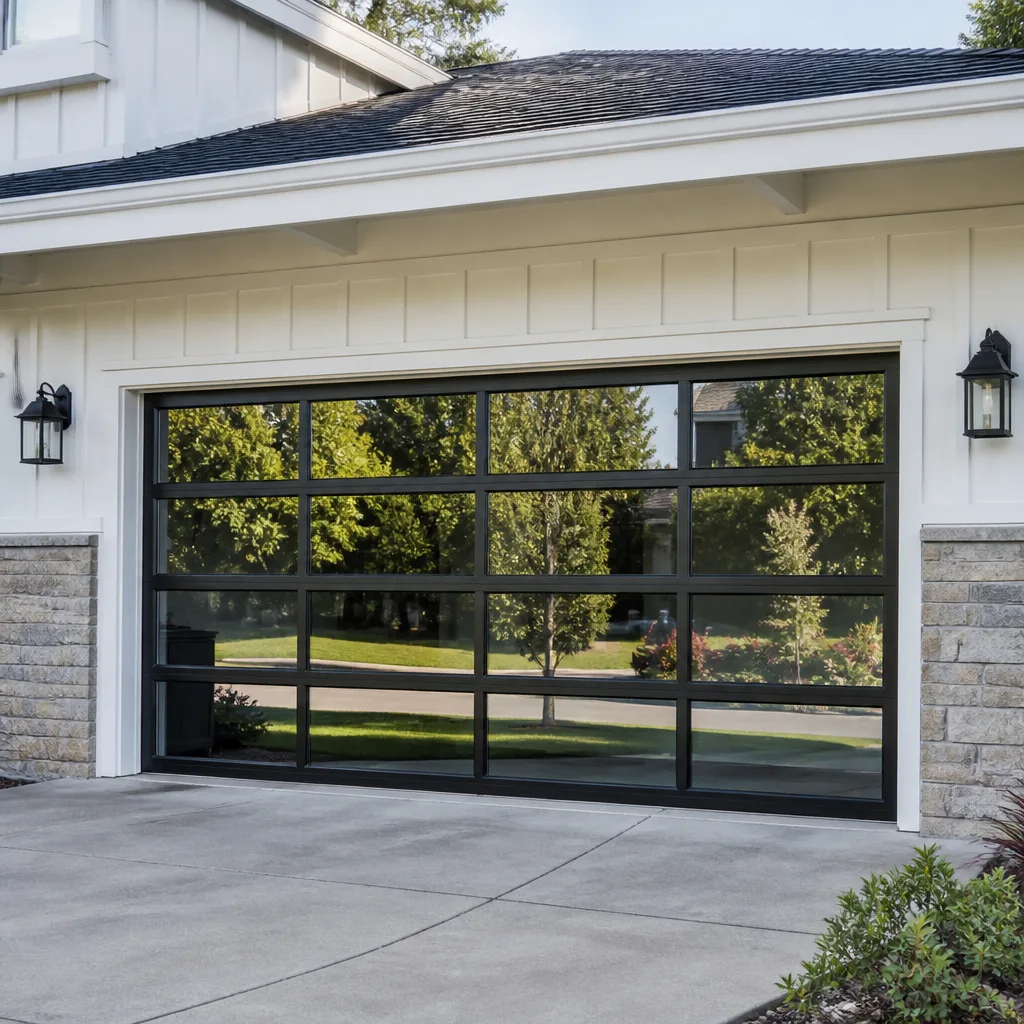 Full-view glass
 LiftMaster openers
 Chamberlain openers
Full 25-point door and opener safety check with every visit - springs, cables, rollers, tracks, and your LiftMaster or Chamberlain opener included
You get a price before we start. It does not change when the pro arrives.
Get your free estimateSeasonal Garage Door Care for Cuyahoga Falls: Year-Round Homeowner’s Guide
Most seasonal garage door guides hand you four tidy, equal seasons: a little spring cleaning, a little fall prep, and the assumption that Northeast Ohio weather plays fair. It doesn’t. Cuyahoga Falls sees more than 100 inches of snowfall in a typical year, well above the national average, and the freeze-thaw cycling that comes with it does the bulk of its damage to bottom seals, torsion springs and low-mounted photo-eye sensors. That means winter prep carries roughly 60% of the annual maintenance burden here, and a homeowner who treats every season the same ends up paying for spring failures in June that were preventable in November. This guide gives you a month-by-month calendar built around how Cuyahoga Falls weather actually behaves, plus the inspection points that matter most. –
Quick Answer
Seasonal garage door care in Cuyahoga Falls means front-loading your maintenance into late fall, then using spring, summer and early fall primarily for inspection and correction. The three items that fail most often in this climate are the bottom seal, the torsion spring and the low-mounted safety sensors, all of which take the brunt of snow, ice and repeated thaw cycles. If you handle weatherstripping and sensor alignment before the first hard freeze, most of what goes wrong between December and March never happens.
Styles & brands we work with
- Raised-panel steel
- Carriage house
- Modern flush
- Full-view glass
- LiftMaster openers
- Chamberlain openers
Table of Contents
- Why Winter Is 60% of Your Garage Door Maintenance Burden
- The Cuyahoga Falls Month-by-Month Garage Door Calendar
- Winter Prep: What to Do Before the First Freeze
- Spring Inspection: The Post-Winter Checklist Most Homeowners Skip
- Summer Humidity and Wood Door Panels: Cosmetic or Structural?
- Fall Prep: Seals, Thresholds and Cold-Morning Sensitivity
- What to Do When Your Door Freezes to the Floor
- When to Call a Professional
Why Winter Is 60% of Your Garage Door Maintenance Burden
Cuyahoga Falls sits in a snowbelt pattern where lake-effect moisture and cold air converge, and the result is a winter that spends as much time thawing as it does freezing. That cycle is harder on a garage door than sustained cold ever is. Water gets into a seam or under a seal, freezes overnight, expands, and then melts the next afternoon. Repeat that a few dozen times between November and March and materials start to give.
Here’s where that pressure lands hardest in a Cuyahoga Falls garage:
- The bottom seal. It sits in direct contact with slush, meltwater and refrozen ice. A stiff, cracked seal lets water and cold air under the door, which speeds up the next round of freeze-thaw damage.
- The torsion spring. Cold metal is less forgiving. A spring that’s already near the end of its cycle count is far more likely to snap on a January morning than in July.
- Photo-eye sensors. Most are mounted within a foot or two of the floor, exactly where snow gets pushed, packed and refrozen. A sensor knocked slightly out of alignment by a snow shovel won’t stop the door from closing the way it should.
- The tracks. Ice that builds up at the base of the vertical track can push it out of plumb, and a warped track drags on the rollers all winter.
- The opener itself. Cold grease thickens, and an opener that’s already working hard has less margin in February than it does in May.
None of that is a reason to panic. It’s a reason to shift your effort toward the front of the season. The homeowners who get through a Cuyahoga Falls winter without a service call are almost always the ones who did their real maintenance in October and November, then spent the rest of the year just watching and correcting.
Our technicians have up to 8 years of experience working on doors in this climate, and the pattern is consistent: the failures we get called for in January and February trace back to something visible and fixable in the fall.
The Cuyahoga Falls Month-by-Month Garage Door Calendar
Generic four-season advice is the main thing wrong with most garage door maintenance guides. Northeast Ohio doesn’t have four equal seasons; it has a long, freeze-thaw winter, a wet spring, a humid summer and a short, urgent fall. Here’s a calendar weighted to match that reality rather than a template.
Late Fall (November)
Peak prep month. Replace weatherstripping and bottom seal, align sensors, lube the moving parts with a cold-rated lubricant, test the auto-reverse, and have the spring and cables inspected by a trained technician before the hard freeze. This is the month that carries the most weight in the whole calendar.
Winter (December through early March)
Low-effort, watchful mode. Clear snow and ice away from the door base and sensor path after every storm. Listen for changes in the door’s sound and speed. Don’t force a stuck door. If something fails, that’s when emergency service earns its keep.
Early Spring (late March and April)
Post-winter inspection month. Check for spring fatigue, cable fraying and track warping caused by ice accumulation over the winter. This is the second most important season on the calendar, and the one most homeowners skip entirely because the crisis has passed.
Late Spring (May)
Corrective work. Fix what the inspection turned up: a sagging panel, a misaligned track, a worn roller, a sluggish opener. Address it now while the weather is mild and before summer heat adds its own stress.
Summer (June through August)
Humidity watch. If you have wood panels, check for swelling and sticking. Confirm the opener is handling heat without straining. Re-lubricate if the door has been running dry.
Early Fall (September and October)
Re-inspection month before the cycle starts again. Adjust auto-reverse sensitivity for cold-morning sluggishness, check the threshold seal, and confirm the weatherstripping is still intact. Then you’re back to November prep with a clean slate.
If you notice anything during the year that needs a closer look, our garage door repair team can diagnose it in a single visit rather than bouncing you between contractors.
Winter Prep: What to Do Before the First Freeze
Winter prep in Cuyahoga Falls is where you spend most of your annual effort, because everything you do in November is something you don’t have to do in a January snowstorm. Here’s the order that matters most.
1. Replace or restore the bottom seal
The bottom seal is your first line of defense against meltwater. Run your hand along it after a cold snap; if it’s stiff, cracked or sitting unevenly against the floor, replace it. A seal that isn’t making contact lets in cold air and water, and water under the door is what freezes it shut in the first place.
2. Give the weatherstripping a full pass
Check the perimeter weatherstripping around the frame for gaps, tears and compression. Replace anything that’s failing before the first freeze, because doing it in February with frozen fingers is a miserable job and you’ll rush it. This is also a good moment to confirm the threshold seal at the floor is intact.
3. Have springs and cables inspected by a technician
This one is not a DIY item. Torsion springs and the cables under tension are the most dangerous components on a garage door, and a spring under load can cause serious injury if handled wrong. A trained technician can measure spring tension, spot cable fraying and flag a spring that’s close to failure before it strands your car. If you have a LiftMaster or Wayne Dalton opener and door setup, they work together as a system and should be evaluated as one.
4. Clear and check the sensor path
Photo-eye sensors mounted low get buried in snow and knocked by shovels. Before winter, clear the path, confirm both sensors are level with each other and the lenses are clean, and test that the door reverses when you break the beam. A misaligned sensor is one of the most common reasons a door “won’t close” in winter.
5. Lubricate with a cold-rated product
Rollers, hinges, the torsion bar bearing plates and the opener rail all benefit from a proper garage door lubricant. Skip anything that thickens in cold weather; a grease that turns to paste at 20 degrees makes the opener work harder than it should all winter.
6. Test the auto-reverse
Place a solid object in the door’s path and confirm the door reverses on contact, then confirm the photo-eye test as well. Both safety systems should work before winter, since a cold-morning failure is exactly when you least want to discover an adjustment problem.
When the door won’t move and you’re not sure why, our garage door opener repair specialists can tell you whether the issue is the opener, the door hardware or a sensor, and get it fixed in the same visit.
Spring Inspection: The Post-Winter Checklist Most Homeowners Skip
Spring is the second most critical season on the Cuyahoga Falls calendar, and it’s the one nearly everyone skips. Once the ice is gone and the door is working again, the temptation is to move on. But winter leaves wear that doesn’t announce itself until it fails, and a proper post-winter inspection catches it while it’s still cheap to fix.
Here’s what to check in late March and April:
- Spring fatigue. Test the door’s balance by disconnecting the opener and lifting the door halfway by hand. If it won’t hold, or you have to fight it, the springs have lost tension. Don’t adjust them yourself; a trained technician checks and replaces them safely.
- Cable fraying. Look along the cables for broken strands, rust or uneven winding on the drum. Frayed cables are a failure waiting to happen and are not a DIY repair.
- Track warping from ice. Ice that built up at the base of the vertical tracks over winter can push them out of plumb. Run your eye down each track; a bowed or twisted track drags the rollers and wears them faster.
- Panel and seal condition. Look for water intrusion at the bottom of the door and for any panel that’s begun to sag or separate.
- Roller wear. Worn, flat-spotted rollers make the door loud and strain the opener. They’re inexpensive to replace and worth doing before the door’s been run hard all summer.
- Opener performance. Listen for changes in sound and check that the door’s speed and force are consistent. A Craftsman or Raynor opener that’s been fighting a stiff door all winter may have accelerated wear.
A post-winter inspection is also the right time to order parts or plan a replacement if the door is on its way out, so the work can happen in mild weather instead of during a snowstorm. If your spring has failed or is close to it, our garage door spring repair specialists can measure, replace and rebalance in a single visit.
Summer Humidity and Wood Door Panels: Cosmetic or Structural?
Wood garage doors are beautiful and they’re the most weather-sensitive choice you can make in a Northeast Ohio climate. Cuyahoga Falls summers run humid, and wood absorbs that moisture, expands, and then contracts again when the air dries out. The question every wood-door owner asks is whether the swelling they’re seeing is cosmetic or something to worry about.
Here’s how to tell the difference.
Likely cosmetic
- The door sticks slightly at the edges in peak summer and frees up as the season cools.
- Paint or stain on the surface shows minor surface checking in the grain.
- Swelling is even and mild across a panel, and the door still operates smoothly.
Likely structural
- A panel has visibly bowed, cracked or separated at a joint.
- The door binds in the tracks, not just at the seal.
- You see water staining or soft spots where moisture is sitting.
- Hardware has pulled loose or the panel has warped enough that the door no longer seals.
Either way, the response is the same: keep the door’s finish sealed, watch the door’s operation for changes, and have a technician check anything that’s affecting how the door runs. A stuck door in June is a warning; a panel that fails next winter because it went unnoticed is the expensive part. During the summer, this is also a good time to check the opener’s performance, since heat and humidity add load a well-maintained opener handles easily.
Fall Prep: Seals, Thresholds and Cold-Morning Sensitivity
Fall is the moment to close the loop. By early October you should already know what the summer did and what needs correcting before the first freeze arrives. This is the second stage of winter prep, and the specific tasks here are the ones that prevent the most common cold-weather complaints.
Replace weatherstripping before the first freeze
If the perimeter seal compressed or failed over the summer, replace it now. This is the last easy window. Weatherstripping done in October protects the whole winter; weatherstripping done in January is a rushed job in the cold.
Inspect the threshold seal
The threshold seal at the floor is what the bottom seal presses against. If it’s worn, the door can’t make a tight seal no matter how good the bottom seal is. Check it for cracking and gaps, and replace it if needed.
Adjust auto-reverse sensitivity for cold-morning sluggishness
Cold mornings make everything move a little slower, and an auto-reverse set too sensitively can cause nuisance reversals when the door meets resistance. Have the sensitivity checked and adjusted so the door treats cold-morning drag as normal operation rather than a safety trigger. This is exactly the kind of adjustment a technician handles while checking spring tension and cables, so having a pro do the fall pass covers all three at once.
Check the opener’s force and travel limits
Confirm the opener’s travel limits are set correctly so the door opens and closes fully in cold weather. A Genie or Chamberlain opener that’s slightly out of adjustment can fail intermittently once the temperature drops.
Clear the sensor path for winter
Mount sensors so they’re not sitting directly in the path of shovelled snow where possible, and confirm both are aligned and clean before winter sets in.
What to Do When Your Door Freezes to the Floor
A door that’s frozen to the floor is one of the most common winter calls we get in Cuyahoga Falls, and it’s also one of the easiest to make worse. The wrong move is to hit the opener and hope it breaks free. That pulls against a seal that’s bonded to the concrete, and it can strip the opener’s gears or burn out the motor.
Here’s the right sequence, in order:
- Stop using the opener. Disconnect it or leave it alone entirely. Let the door stay put.
- Start with warm water, not heat. Pour warm (never boiling) water along the base of the door where it meets the floor. That melts the ice bond gently.
- Give it time. Wait a few minutes and test by hand, not with the opener. If it won’t lift, repeat the warm water.
- Never use a hammer, chisel or pry bar on the seal. That’s how bottom seals get torn and panels get bent.
- Clear snow and ice from around the base and tracks once the door is free, so it doesn’t refreeze overnight.
- If it keeps freezing, the seal or the door’s closing position needs attention. A properly sealing door shouldn’t bond to the floor every storm. Have a technician check the bottom seal and door alignment once the freeze is over.
The safety note here matters: never stand directly under the door while trying to free it, and never force it. If the door has frozen and the opener has already made a noise it shouldn’t have, that’s a repair situation, and our Cuyahoga Falls Garage Door Repair Pros team can get out to you, with emergency service available for doors that trap a car or leave a home unsecured.
Common Mistakes to Avoid
- Treating all four seasons as equal. This is the biggest one. In Cuyahoga Falls, winter prep deserves most of your effort. Equal effort across seasons is how you end up with a spring failure in March that was preventable in November.
- Skipping the spring inspection. The crisis has passed, so it’s tempting to move on. But post-winter inspection is when you catch spring fatigue, cable fraying and track warping before they fail mid-summer.
- Forcing a frozen door with the opener. That strips gears and burns out motors. Use warm water and let it melt, then lift by hand.
- Adjusting torsion springs yourself. This is the single most dangerous garage door component. A spring under load can cause serious injury, and a botched adjustment can fail catastrophically. Call a professional.
- Ignoring a low sensor until the door “won’t close.” Sensors near the floor get knocked out of alignment by shovels and snow. Check them before and after every storm, not after the door’s refused to close three times.
- Greasing with a warm-weather product. A thick grease turns to paste in cold weather and makes the opener work harder than it needs to all winter.
- Waiting for a failure to inspect. Garage doors rarely fail with warning signs that are hard to spot. A quick look in the fall catches most of it.
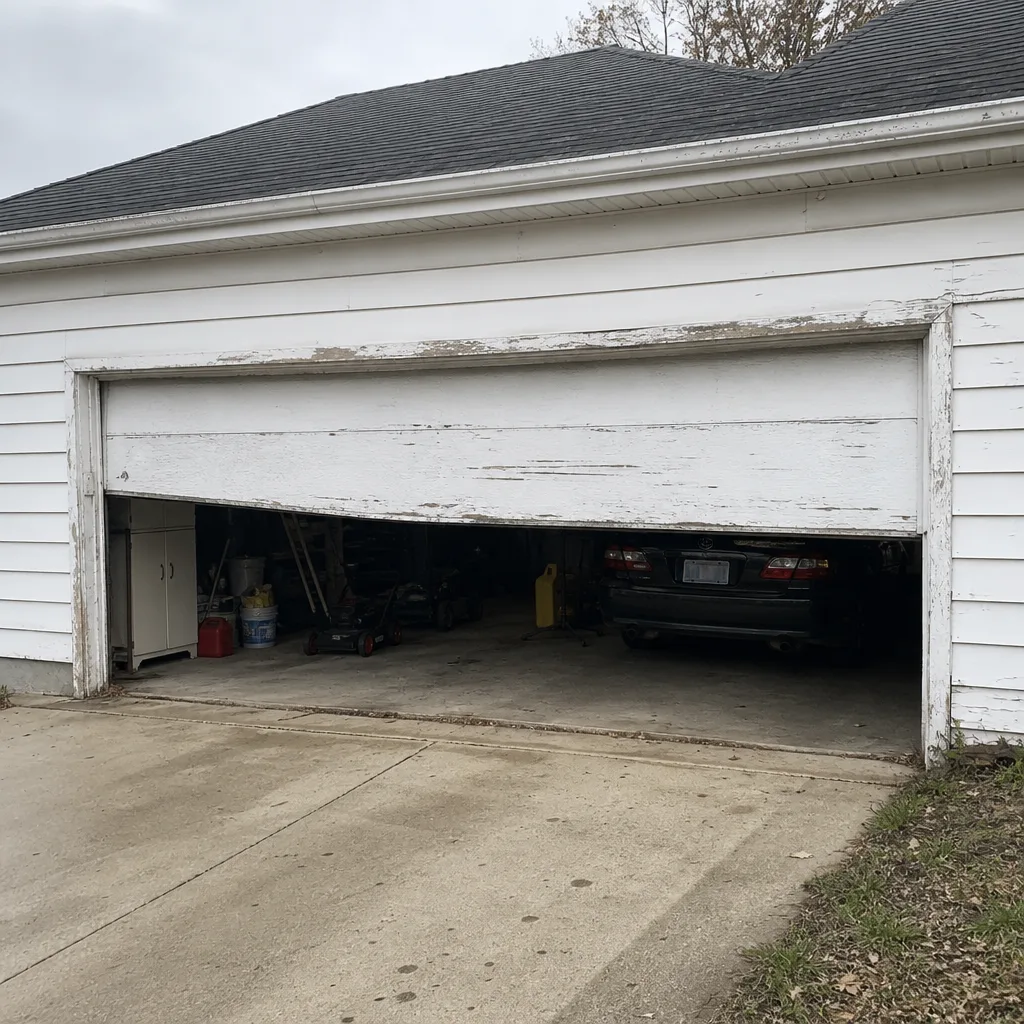
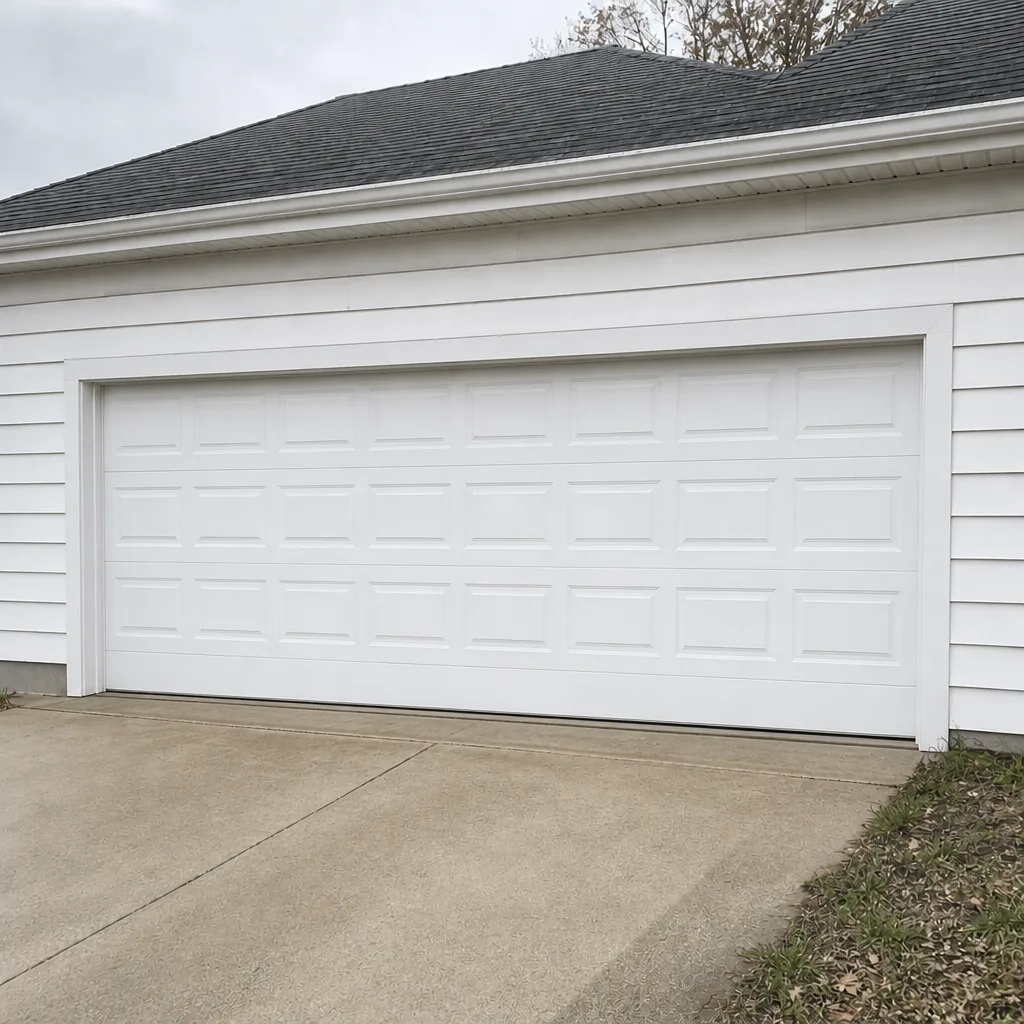
See the difference
 Before
 After
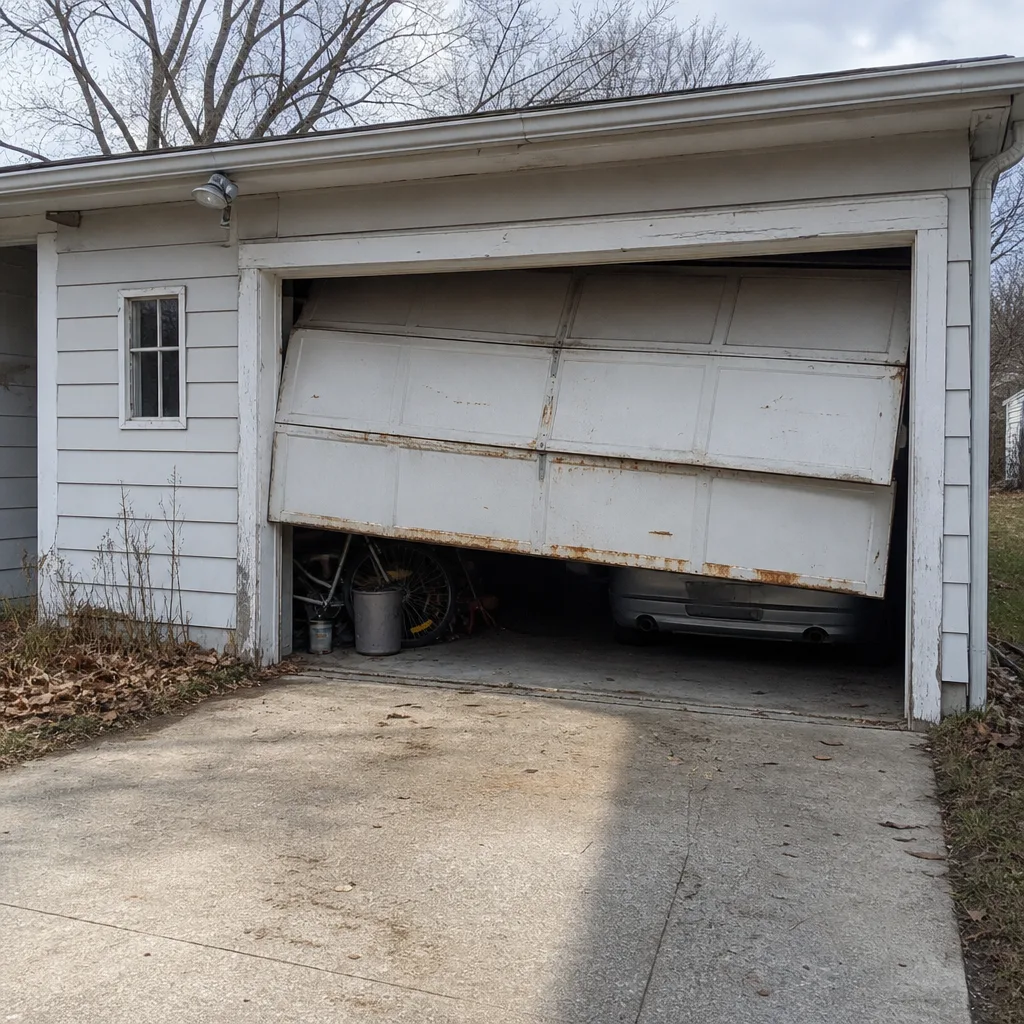 Before
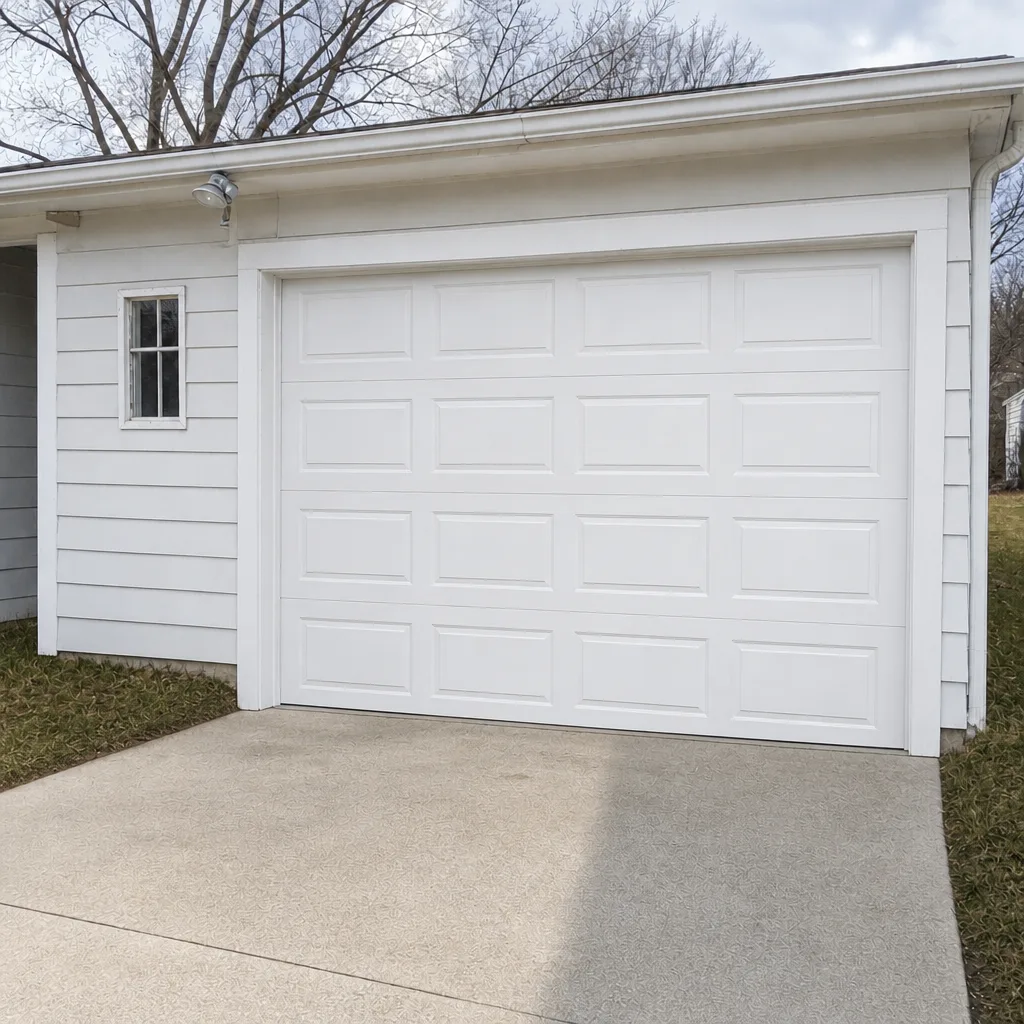 After
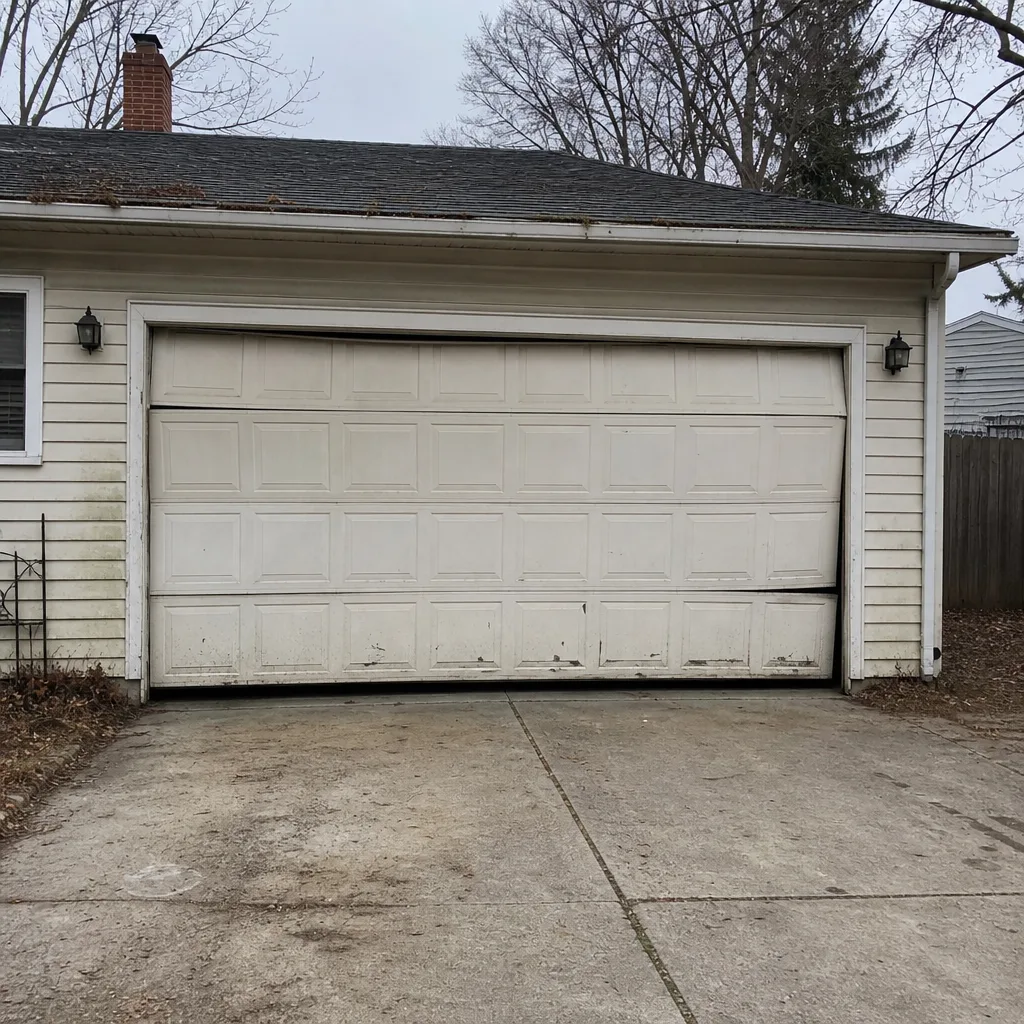 Before
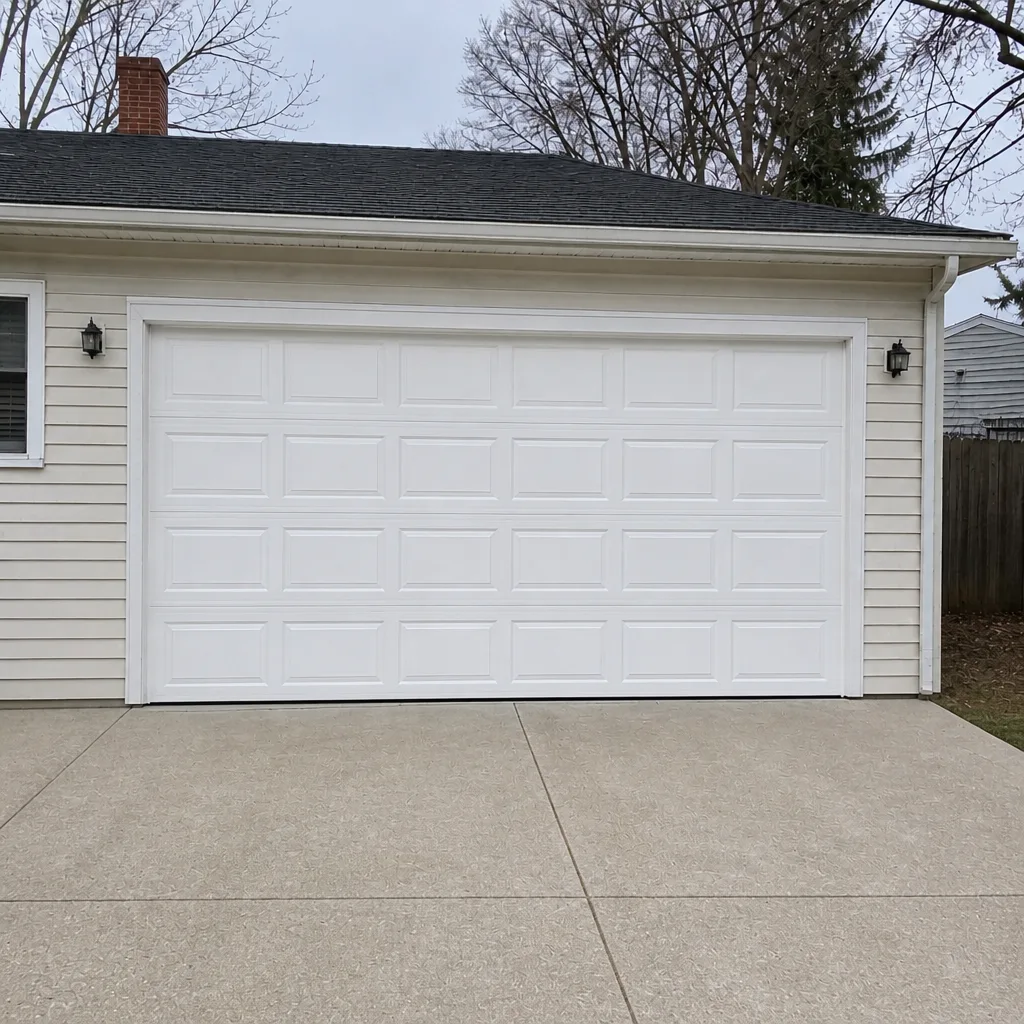 After
When to Call a Professional
Some seasonal care is genuinely DIY: clearing snow, checking sensor alignment, testing the auto-reverse. Other work isn’t, and getting it wrong is what turns a small repair into a bigger one. Call a professional when springs show fatigue or have snapped, when a cable is frayed or has unwound, when a track is warped or bent, when the door has frozen and the opener has made an unusual noise, or when you’re not sure what you’re looking at.
Torsion springs and cables are the top of that list for a reason. They’re under extreme tension, and a mistake can injure you badly. A trained technician checks tension, replaces springs and cables safely, and confirms the whole system-balanced as a unit.
Cuyahoga Falls Garage Door Repair Pros offers free estimates in Cuyahoga Falls. We work on the major brands you probably have on your door, including LiftMaster, Chamberlain, Genie, Clopay, Amarr, Wayne Dalton, Craftsman and Raynor, so you rarely hear “we don’t work on that brand.” Call (866) 857-0883 for a free estimate.
Frequently Asked Questions
Once a year is the standard, but in Cuyahoga Falls the timing matters more than the frequency. Schedule the full service in late fall, before the first hard freeze, so weatherstripping, seals, springs and sensors are all ready for winter. Add a lighter inspection in March or April to catch what winter left behind, and you’ve covered the two seasons that actually matter here.
Only if the seal is failing. A door that seals properly against the floor shouldn’t bond to it during normal snowstorms. If yours freezes shut repeatedly, the bottom seal, threshold seal or door alignment needs attention, and a technician can usually fix it in one visit.
No. Torsion springs are under extreme tension and are the most dangerous component on a garage door. A mishandled spring can cause serious injury, and an incorrect adjustment can lead to failure. Have a trained technician check and replace springs; it’s one of the few parts of seasonal care that shouldn’t be DIY.
Stop using the opener and pour warm water along the base of the door to melt the ice bond. Lift by hand once it’s free, clear the snow and ice from the base and tracks, and keep an eye on whether it refreezes. Never use a hammer or pry bar, and never stand under the door while freeing it.
A little cold-weather sluggishness is normal, but a loud, dragging door usually points to worn rollers, a stiff spring or an opener that’s slightly out of adjustment. A technician can check spring tension, roller condition and auto-reverse sensitivity so the door handles cold mornings smoothly rather than straining through them.
Yes. We offer emergency garage door service for situations where a failed door traps a car or leaves a home unsecured. If your door fails in the middle of a Cuyahoga Falls winter, call (866) 857-0883 and we’ll get a technician out. Estimates are free, and the price is quoted and agreed before any work starts.
The Bottom Line
Seasonal care in Cuyahoga Falls works when you stop treating the year as four equal seasons. Winter prep carries roughly 60% of the annual burden, spring inspection is the second most important month, and summer humidity and fall prep exist mostly to protect what winter will throw at you. Do the weatherstripping, seal replacement and sensor checks in late fall, have a technician inspect springs and cables before the freeze, and go into winter with a proper auto-reverse setting and a clean sensor path. That’s the whole game, and it’s enough to get through a Northeast Ohio winter without a garage door emergency.
Have a seasonal care question we didn’t answer, or need a technician to look at a door that’s already giving you trouble? We work on your brand, we’re available for emergency service when the door won’t move, and we handle everything from a single spring repair to a full new door installation, so you don’t need a second contractor when a repair turns into a replacement. Call (866) 857-0883 for a free estimate in Cuyahoga Falls.
Written by the team at Cuyahoga Falls Garage Door Repair Pros.