Last updated November 22, 2026
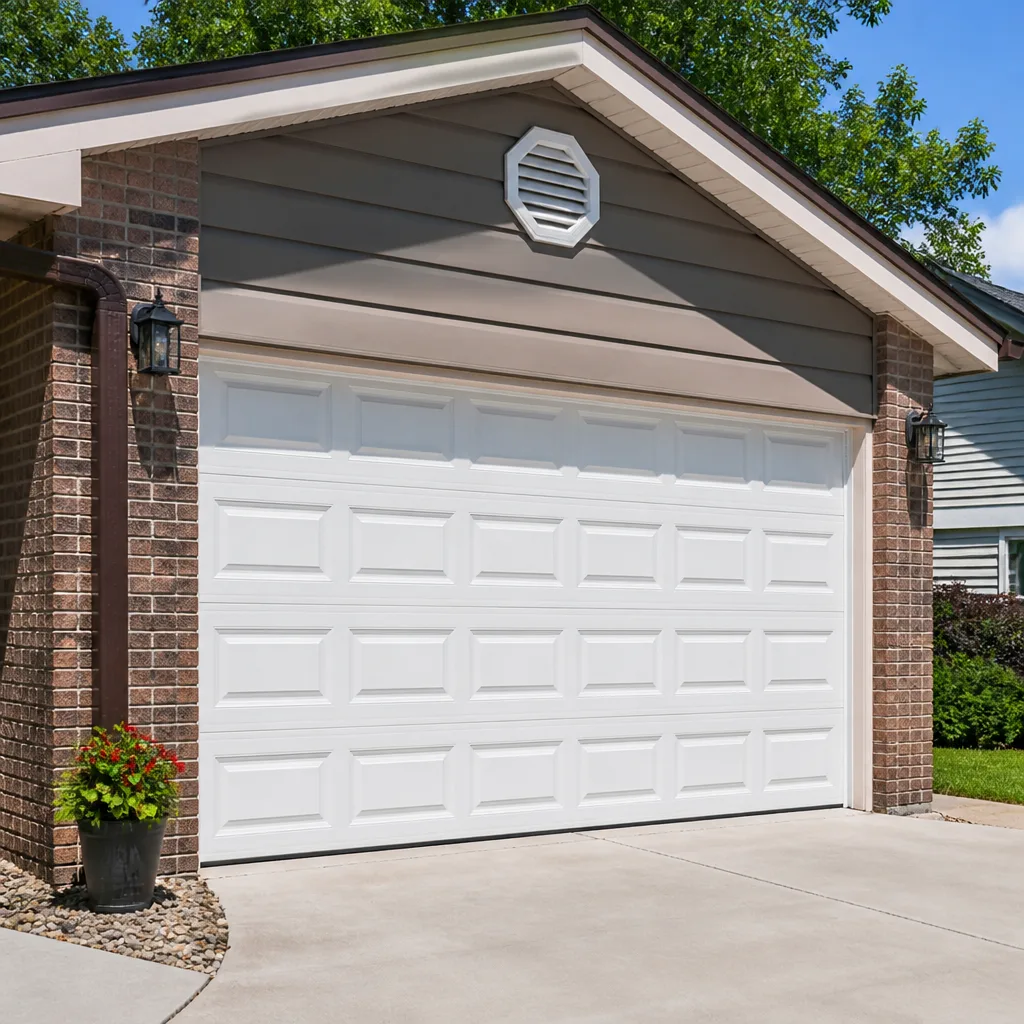 Raised-panel steel
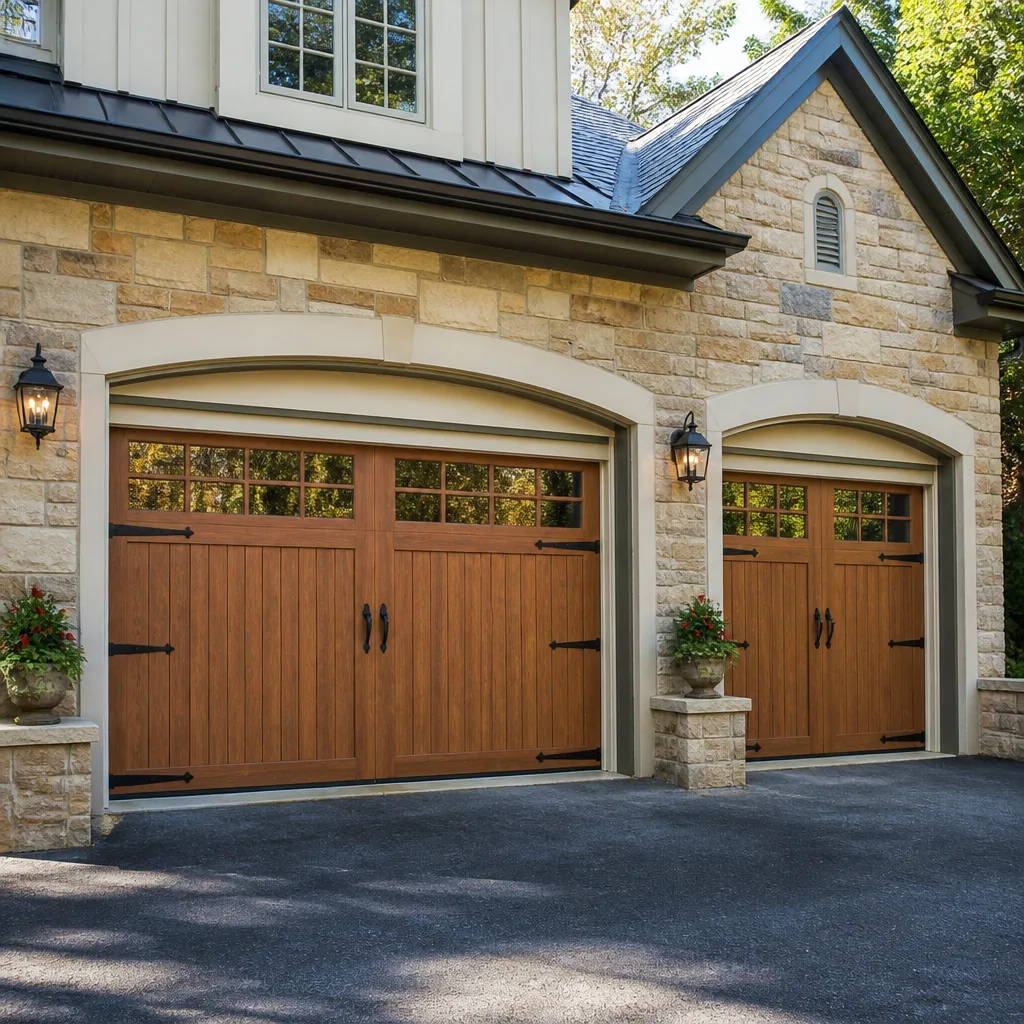 Carriage house
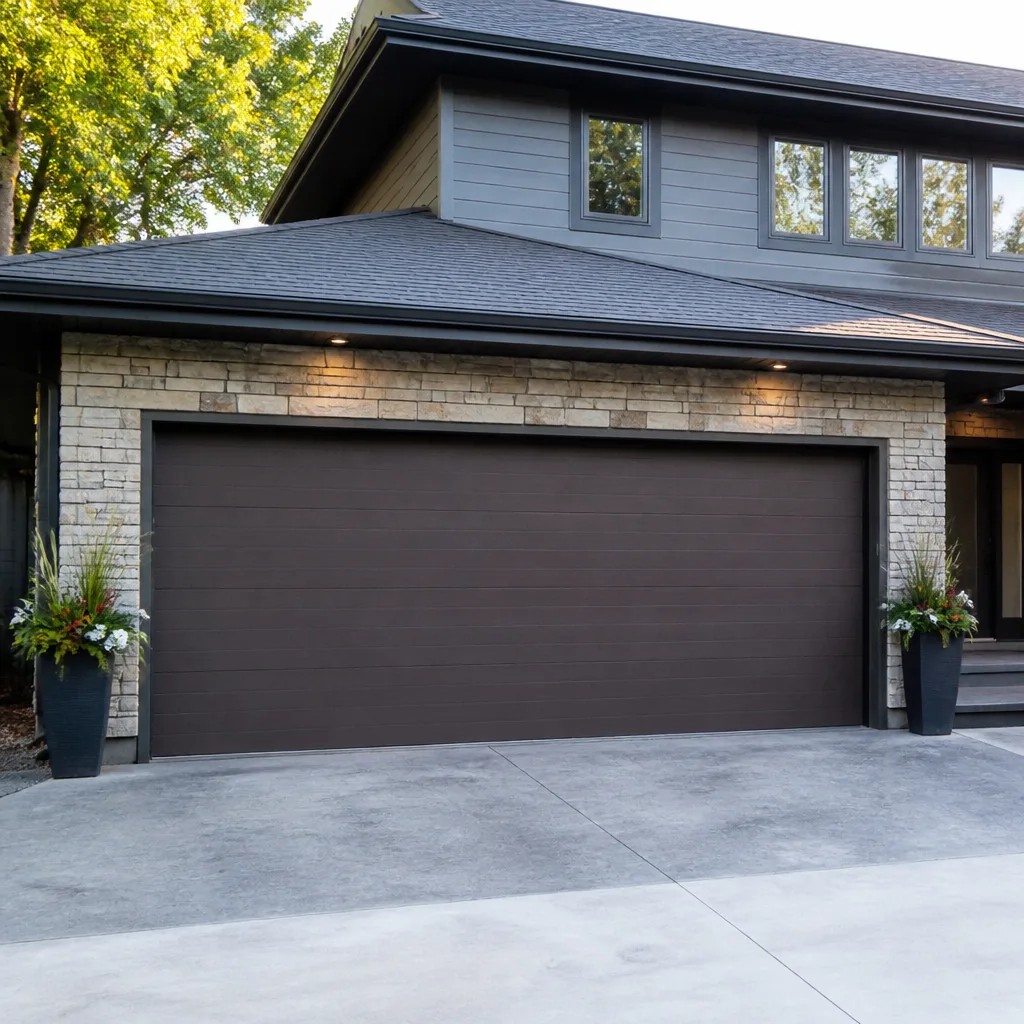 Modern flush
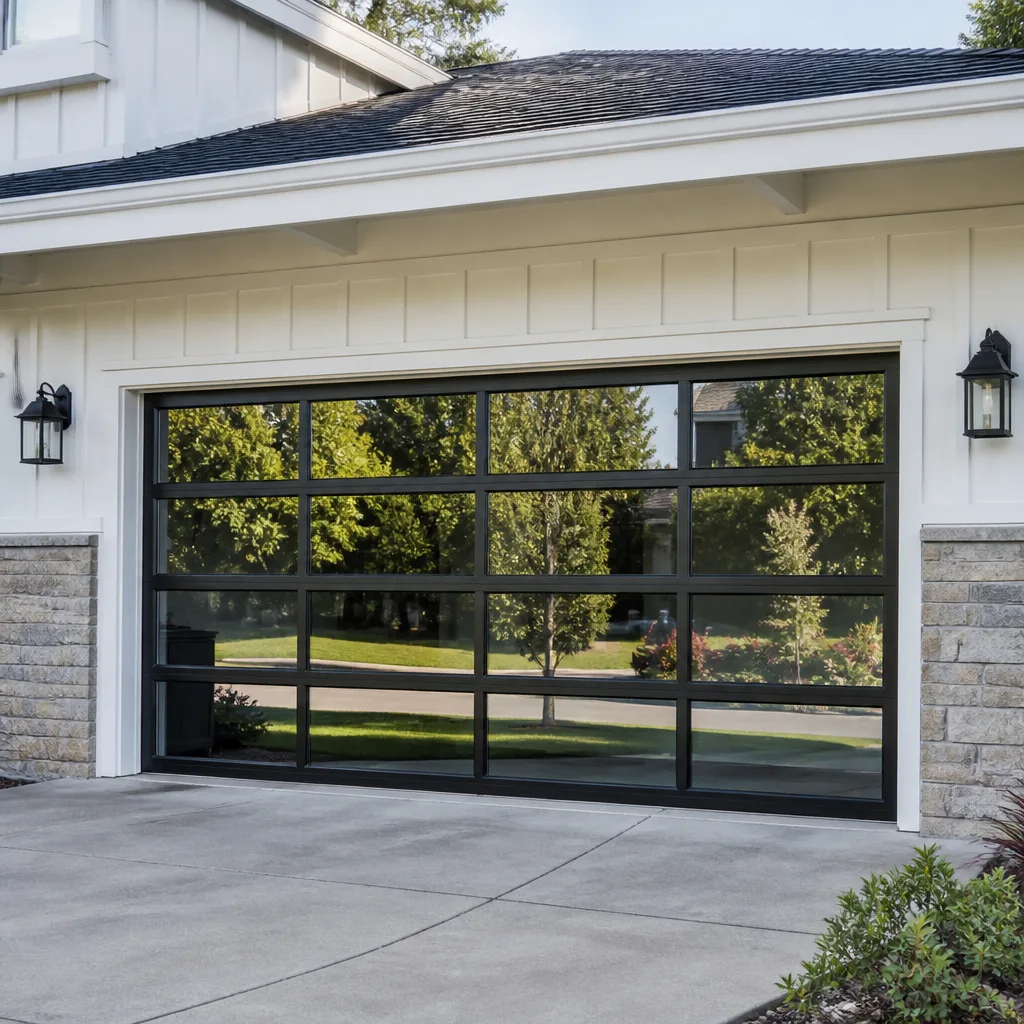 Full-view glass
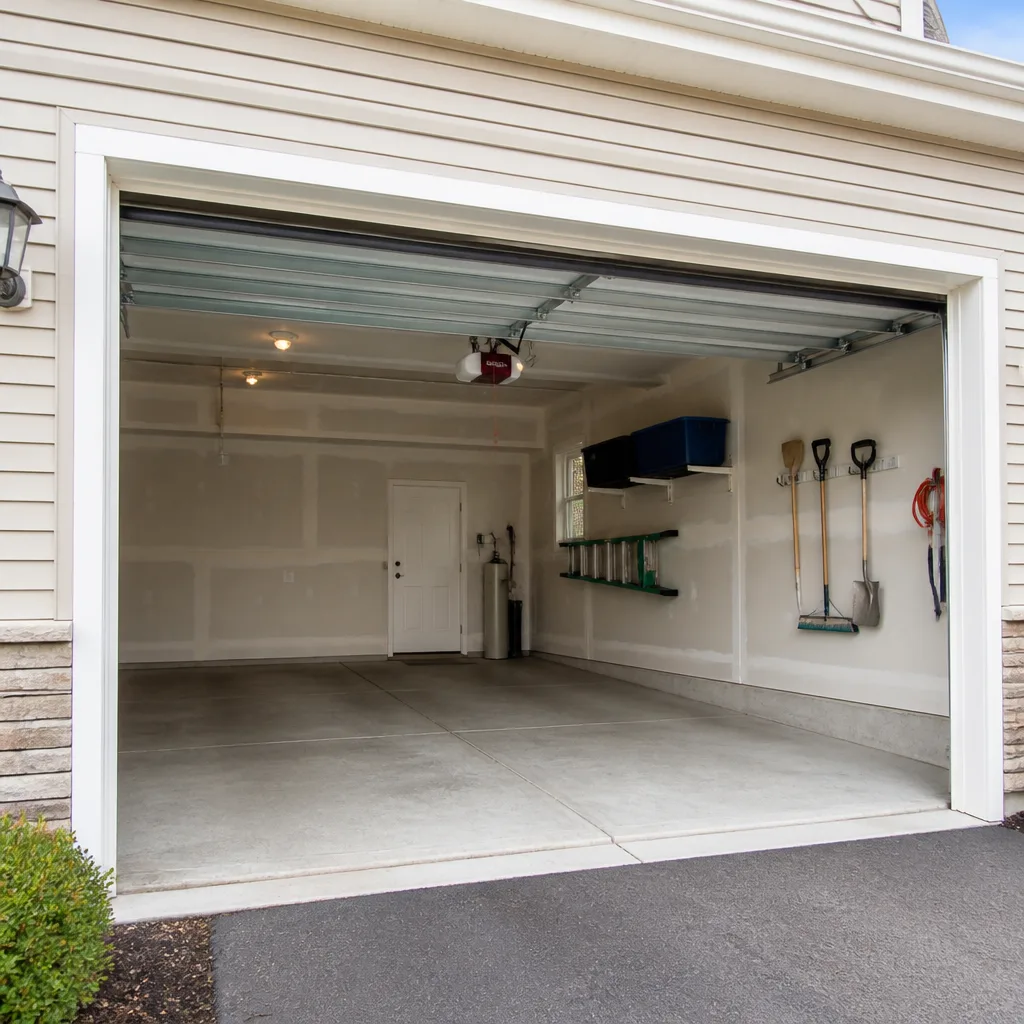 LiftMaster openers
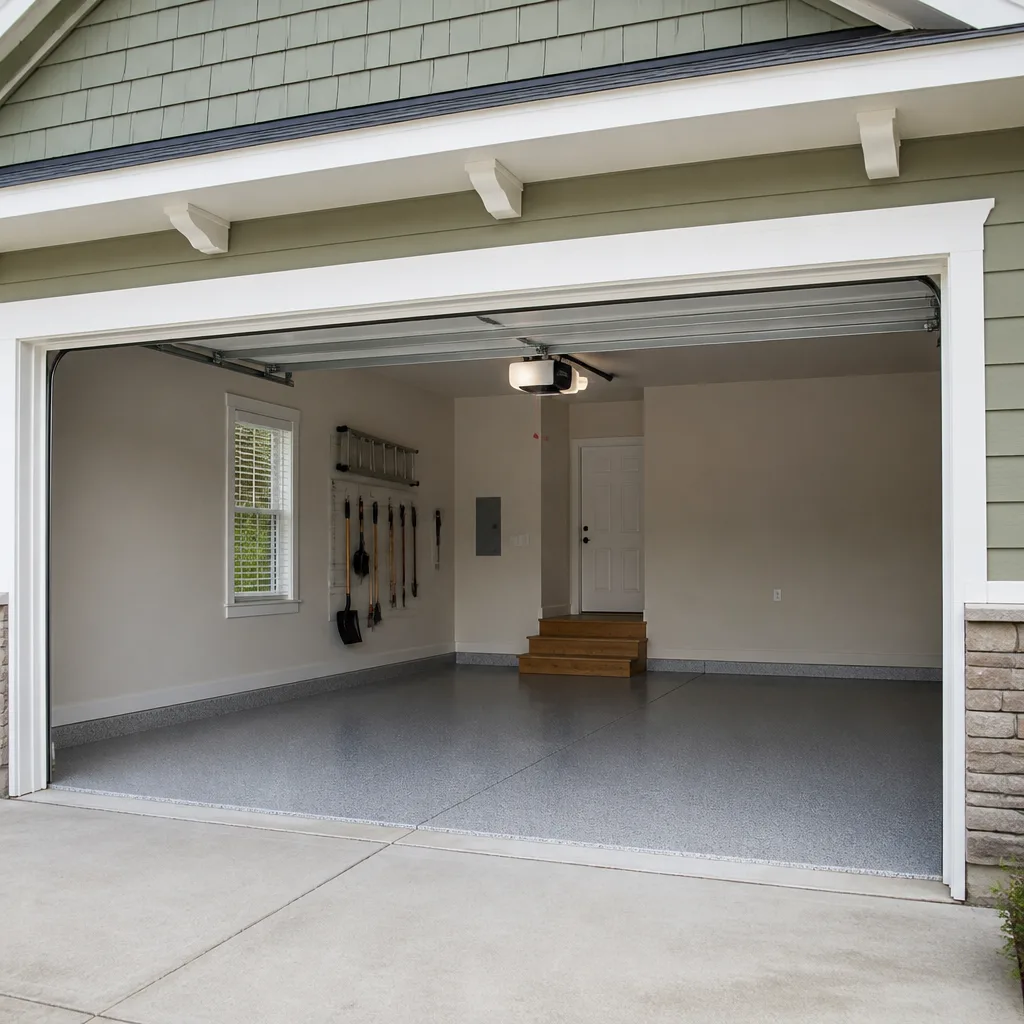 Chamberlain openers
Full 25-point door and opener safety check with every visit - springs, cables, rollers, tracks, and your LiftMaster or Chamberlain opener included
You get a price before we start. It does not change when the pro arrives.
Get your free estimateDIY vs Professional Garage Door: The Cuyahoga Falls Homeowner’s Decision Guide
Most garage door advice treats DIY versus professional as a question of confidence. If you’re handy, tackle it; if you’re not, hire out. That framing misses the real dividing line. A wound torsion spring holds enormous stored energy, and a single wrong move can release it in a fraction of a second. The tasks that are genuinely safe to do yourself are also the cheap ones. The tasks that can hurt you are the expensive ones. This guide draws that line clearly for Cuyahoga Falls homeowners, so you spend your weekend on the jobs worth doing and call in a pro for the jobs that can put you in the emergency room.
Quick Answer
Safe DIY garage door work covers weatherstripping, lubrication, photo-eye alignment, remote reprogramming, and visual inspections. Leave spring replacement, cable replacement, and track realignment under tension to a trained technician, because those parts store enough force to cause serious injury when they fail. In Cuyahoga Falls, where freeze-thaw cycles work hardware loose every winter, most minor fixes are DIY-friendly and most dangerous ones aren’t.
Styles & brands we work with
- Raised-panel steel
- Carriage house
- Modern flush
- Full-view glass
- LiftMaster openers
- Chamberlain openers
Table of Contents
- Why the DIY Question Isn’t About Skill Level
- The Safe DIY List for Cuyahoga Falls Homeowners
- The Tasks You Should Never Attempt
- The Real Cost Comparison for the Top Five DIY Repairs
- Ohio Liability: What Happens When a DIY Repair Goes Wrong
- How to Do the Safe DIY Tasks Correctly
- Small Problems That Signal a Bigger Danger
- How Cuyahoga Falls Weather Wears on Your Door
Why the DIY Question Isn’t About Skill Level
A torsion spring on a standard residential door is wound to somewhere between 150 and 300 foot-pounds of torque when the door is down. That stored energy is what lifts the door. It’s also why spring work is the one part of garage door maintenance that professionals treat with real caution. When a spring releases without the correct winding bars controlling it, the result isn’t a bruised ego. It’s fractured hands, broken fingers, and facial injuries from the bars themselves flying free. Video tutorials show the winding motion. They don’t show what happens when a bar slips, and no screen prepares you for that.
This is why the DIY-versus-professional debate gets misframed. Someone who’s rebuilt an engine and remodeled a bathroom assumes they can handle a garage door. The trouble is that mechanical competence doesn’t protect you from stored energy. A torsion spring doesn’t care how skilled you are. It only cares whether the load is being controlled correctly at every step. That’s a different kind of risk than most home projects carry.
In Cuyahoga Falls, this matters because the local housing stock includes a lot of older garages with doors that have seen many cycles. A spring that’s near the end of its life gives little warning. It may look fine one morning and snap the next. If you’re inspecting your own door, knowing that risk exists changes how you approach the whole system. You stop thinking about repair as a puzzle to solve and start treating the loaded parts as something to respect.
The practical takeaway: divide garage door tasks into two groups based on injury risk, not difficulty. Some tasks are easy and safe. Some are hard and dangerous. A few are easy-looking and still dangerous. Knowing which is which is the whole decision.
The Safe DIY List for Cuyahoga Falls Homeowners
These jobs involve no stored spring tension and no risk of a door falling on you if you’re careful. They’re worth doing yourself, and most take under an hour.
- Replacing bottom weather seal. A cracked or missing seal lets in cold air, water, and pests. It slides out of a track or pulls free, letting you fit a new one with no tools beyond a utility knife. Cuyahoga Falls winters make this the most frequently replaced part on most doors.
- Lubricating rollers, hinges, and tracks. A few drops of garage-door-specific lubricant on the hinge points, roller stems, and the inside of the vertical tracks quiets a noisy door and slows wear. Never use grease on the tracks themselves; it attracts grit.
- Aligning photo-eye sensors. If your door reverses for no reason, the sensors likely got bumped or shifted. They should be mounted a few inches off the floor, facing each other, with a steady light on both units after alignment.
- Reprogramming remotes and keypads. Lost or dead remote? Reprogramming is a matter of matching the opener’s learn button sequence. We handle this for customers on openers from LiftMaster, Chamberlain, Genie, and Craftsman, but it’s entirely DIY-safe if you have the manual.
- Cleaning and propping the tracks. Wiping the tracks clean with a damp cloth keeps debris from causing the door to stick. Never bend or force a track that’s out of line; that’s a call-a-pro job.
- Visual inspections. Look at cables for frays, springs for gaps, and hinges for cracks. Looking is always safe. Touching loaded parts is not.
This list covers maybe 10 to 15 percent of the repairs our technicians handle in Cuyahoga Falls each year. The rest involve loaded components, and that’s where the line gets sharp.
The Tasks You Should Never Attempt
If a repair touches a spring or cable under tension, stop. The injury potential is real, and it doesn’t scale with how careful you think you’re being.
- Torsion spring replacement. This is the number one repair no homeowner should attempt. Winding bars, the correct wire size, and understanding how much tension to apply are all critical. A local pro does this as routine; a homeowner doing it once is doing it blind.
- Cable replacement. Cables are under the same tension as springs. A snapped cable can whip with enough force to cut through skin. Replacing one requires first releasing spring tension safely, which brings you right back to the spring job.
- Track realignment under load. A track bowed by a hit or worn by age can suddenly release the door panel if you loosen the wrong bolt. Tracks are structural, and force applied wrong can shift the whole door.
- Section replacement on a loaded door. Swapping a bent bottom section means disconnecting the door from the opener and dealing with the weight of the entire door while the spring is still wound.
- Spring-bolt or winding-cone adjustments. Even “just a small adjustment” on a wound spring is dangerous. If the door is unbalanced and you tweak a spring, the energy can release without warning.
When a door fails in Cuyahoga Falls outside usual hours, whether it’s late on a Sunday or before sunrise on a weekday, emergency garage door service exists for exactly this reason. A jammed door that traps a car or leaves the house open to the street is a situation to call in rather than try to force. Our technicians have up to 8 years of experience with the systems you’re looking at, and they carry the tools and parts to finish the job in one visit.
The Real Cost Comparison for the Top Five DIY Repairs
Now the money question. DIY only saves money if it works. When it doesn’t, you pay twice: once for the parts and once for the pro who has to undo your attempt. Here’s the honest breakdown for Cuyahoga Falls homeowners.
| Repair | Typical DIY Parts Cost | Professional Repair Estimate | Risk of DIY Going Wrong |
|---|---|---|---|
| Weather seal replacement | $15 to $40 | $90 to $180 | Low. DIY is a clear win. |
| Photo-eye sensor alignment | $0 (adjustment only) | $80 to $150 service call | Low. DIY is a clear win. |
| Lubrication and tune-up | $10 to $20 for lubricant | $85 to $175 | Low. DIY is worth it. |
| Torsion spring replacement (single spring) | $40 to $90 for the spring alone | $180 to $340 per spring; a matched pair usually replaces together at roughly double | High. Injury risk plus the cost of redoing the job. |
| Cable replacement | $15 to $35 per cable | $150 to $300 | High. Injury risk and redo cost. |
The pattern is clear. The parts on the safe list cost less than $40, and the professional option isn’t dramatically more. The parts on the dangerous list look cheap, but the true DIY cost only shows up when the repair fails. A spring that lets go on a home repair can mean a replacement panel, a damaged opener, and an injured homeowner all in one afternoon. That’s before the pro has to sort out the damage.
For a full breakdown of professional pricing, our garage door spring repair page covers spring-specific estimates for Cuyahoga Falls homes. Every price we quote is written and agreed before any work starts, so there’s no surprise invoice when the job’s done.
Ohio Liability: What Happens When a DIY Repair Goes Wrong
Ohio homeowners are generally responsible for injuries on their property and for damage their repairs cause. If a poorly secured door falls on a parked car, a neighbor, or a delivery driver who happens to be at the wrong end of the driveway, the cost lands on you. Your homeowner’s policy may cover part of it, but that’s not a given. It’s the kind of claim that often triggers an investigation of whether the repair was done to standard, and a DIY job with no record of how it was performed is hard to defend.
The same applies if a spring job fails and injures someone in the household or a guest. Ohio law doesn’t carve out an exception for “I tried my best.” A repair that leaves a door in a hazardous condition is a liability regardless of intent. Our team isn’t here to lecture; we’ve just seen what happens when a two-hour DIY afternoon turns into a much bigger problem.
One more piece to keep in mind: most modern garage door openers include a safety reverse feature and photo-eye sensors. If either gets defeated during a DIY repair, the door can close on a person or a pet. That safety feature exists because it prevents real injuries. Whatever else you repair, never leave your door operating with those features disabled. If you’re unsure how they should work, a licensed tech can confirm in minutes.
How to Do the Safe DIY Tasks Correctly
The safe list comes with techniques that actually matter. Here’s how to do each one right, without guesswork.
Lubrication: the correct order and the correct product
- Wipe the hinge points and roller stems with a dry cloth to remove grit and old grease.
- Apply a garage-door lubricant, not WD-40 or general-purpose oil, to each hinge knuckle and roller stem. A small drop is enough; more attracts dust.
- Run the door up and down once by hand to spread the lubricant evenly.
- Wipe any excess from the tracks. The tracks themselves should stay dry; only the rollers inside them need contact with lubricant.
Sensor alignment: the exact steps
- Check that both sensors have power; the indicator light on each unit should be lit.
- Loosen the wing nut on each sensor bracket just enough to move the unit.
- Aim one sensor at the other, then adjust until both lights are steady, not blinking. A blinking light means misalignment or an obstruction.
- Tighten the bracket, then test by closing the door and passing a hand through the beam. The door should reverse.
Manual release: how to use it without hurting the door
When the opener fails or power goes out, the emergency release cord disconnects the door from the opener. Pull the cord and the door becomes manually operable. Do not let go of the door before it’s fully down or fully up, because a door disconnected from the opener but still riding on a working spring can move faster than you expect. Open and close it slowly, keep hands clear of the hinges and panel seams, and never use the manual release to lift a door that feels unusually heavy. That heaviness is the warning sign of a failing spring, and that’s a call to a pro, not a reason to try harder.
Small Problems That Signal a Bigger Danger
Some problems look minor but point to a loaded component near failure. These are the ones that justify a call even if the door is still opening.
- The door feels noticeably heavier when you lift it by hand. A properly balanced door lifts with one hand. A door that fights you has a spring that’s failing or cables that are slipping. Don’t keep lifting it.
- A gap or visible break in the torsion spring. A small gap between coils can widen into a full break without much warning. Stop using the door and have it looked at.
- Fraying or kinked cables. A single broken strand means the cable is compromised. It’s holding tension right up until it isn’t.
- A door that slams down the last few inches. That’s a spring that’s lost tension or a door that’s out of balance. Treat it as urgent.
- A rhythmic bang or pop when the door moves. This often points to worn rollers, but it can also mean a stressed hinge or spring. Listen carefully rather than assuming it’s cosmetic.
- The door drifts upward or sags when stopped halfway. This is a balance problem tied to spring tension. Not a small fix.
Our team specializes in spring repair and handles it as routine work, safely. If you’re unsure whether your symptom belongs on the safe list or the dangerous one, garage door repair service covers the diagnosis. A technician will tell you plainly what’s wrong and what it takes to fix it.
How Cuyahoga Falls Weather Wears on Your Door
Cuyahoga Falls sits in a part of Ohio where winter brings repeated freeze-thaw cycles. Those cycles are hard on garage doors in ways that matter for the DIY-versus-professional question.
Moisture works into seams and freezes overnight, then thaws and refreezes. Over a season, that motion loosens hinges, shifts weatherstripping out of its channel, and puts stress on the bottom section of the door where it meets the floor. Owners often find that a door that worked fine in October gets stiff and noisy by January. That’s not a sign to force it. It’s a sign that lubrication, seal replacement, and track inspection are due.
The freeze-thaw pattern also accelerates wear on springs. A spring that cycles through expanded and contracted states over and over loses tension faster in this climate than in a milder one. Cuyahoga Falls homeowners often see spring failure clustered in the late winter and early spring months, when the door has been working hard and the season shift adds stress on the hardware. If your door is older and has been opening and closing smoothly, a visual inspection before each winter is worth the few minutes.
Another local factor: homes in older neighborhoods often have detached or semi-detached garages, and those garages see more temperature swings than attached ones. A detached garage that hits freezing inside can leave the door mechanism stiffer than a door on an attached garage. That stiffness isn’t dangerous on its own, but it can make a failing part harder to detect until it fails completely.
We work on doors and openers from Clopay, Amarr, Wayne Dalton, and Raynor, along with LiftMaster, Chamberlain, Genie, and Craftsman openers, so most Cuyahoga Falls doors are brands we know well. If the diagnosis turns out to be terminal, we can move straight to a full garage door opener repair or a new door install without sending you to a second company.
Common Mistakes to Avoid
- Assuming skill level protects you. A homeowner who’s handy might try a spring job thinking experience covers the risk. It doesn’t. The injury risk only depends on whether tension is being controlled.
- Buying the wrong replacement part. Springs come in specific wire gauges and lengths matched to the door’s weight. A spring picked by eye from a shelf may not carry the door, which makes the failure worse.
- Skipping the winter seal check. Cuyahoga Falls winters punish a worn bottom seal. A $20 replacement in October saves cold air and water damage through the season.
- Over-lubricating the tracks. Grease on the tracks collects grit and makes the door harder to move. Lubricant belongs on the hinges and rollers, not on the tracks.
- Ignoring sensor blink. A blinking sensor light is a specific signal. If realignment and a clean lens don’t fix it, the sensor itself has failed, and that’s a call.
- Forcing a stiff door in cold weather. A door that fights you in January is telling you something’s wrong. Forcing it adds wear to hinges and the opener, and it can snap a compromised cable.
- Using the manual release on a heavy door. If the door feels unusually heavy when you try to lift it, stop. Heaviness means the spring is failing, and that’s a reason to call a pro, not push through.
See the difference
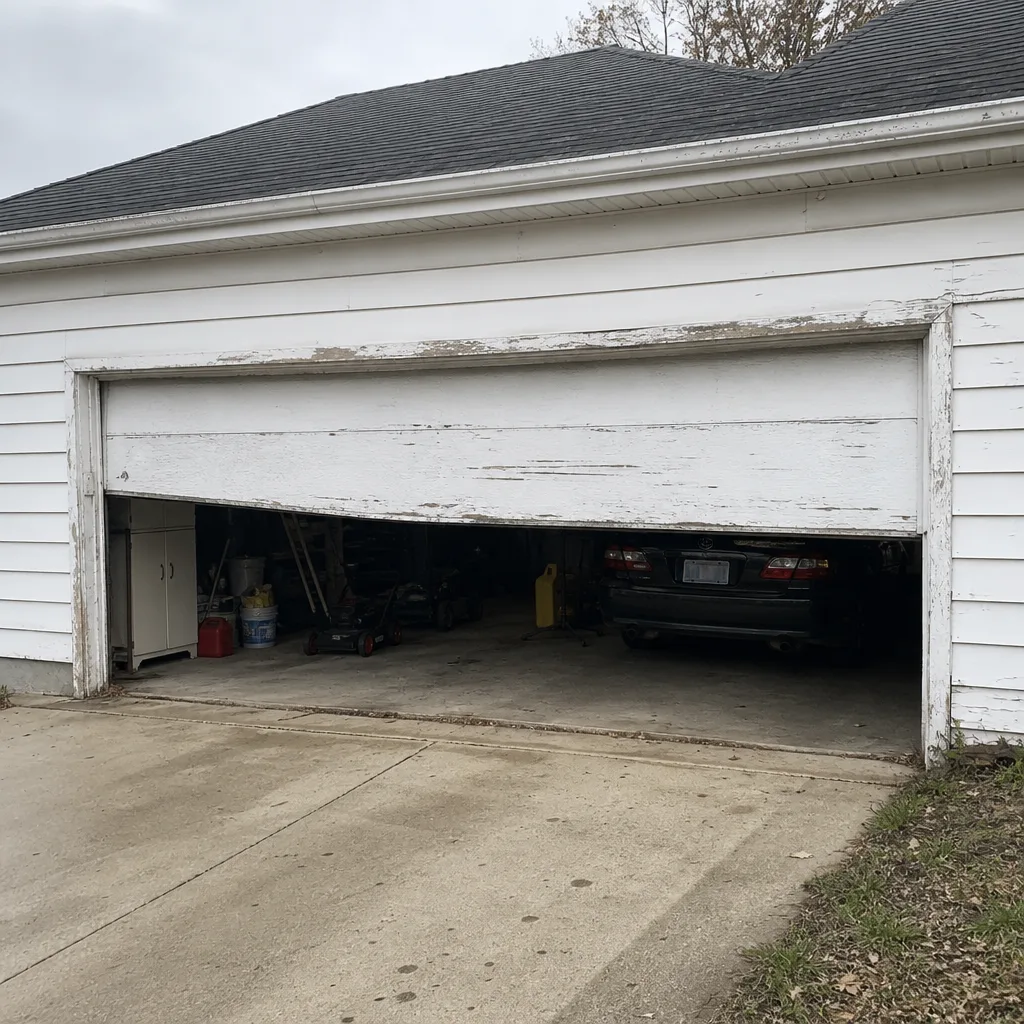 Before
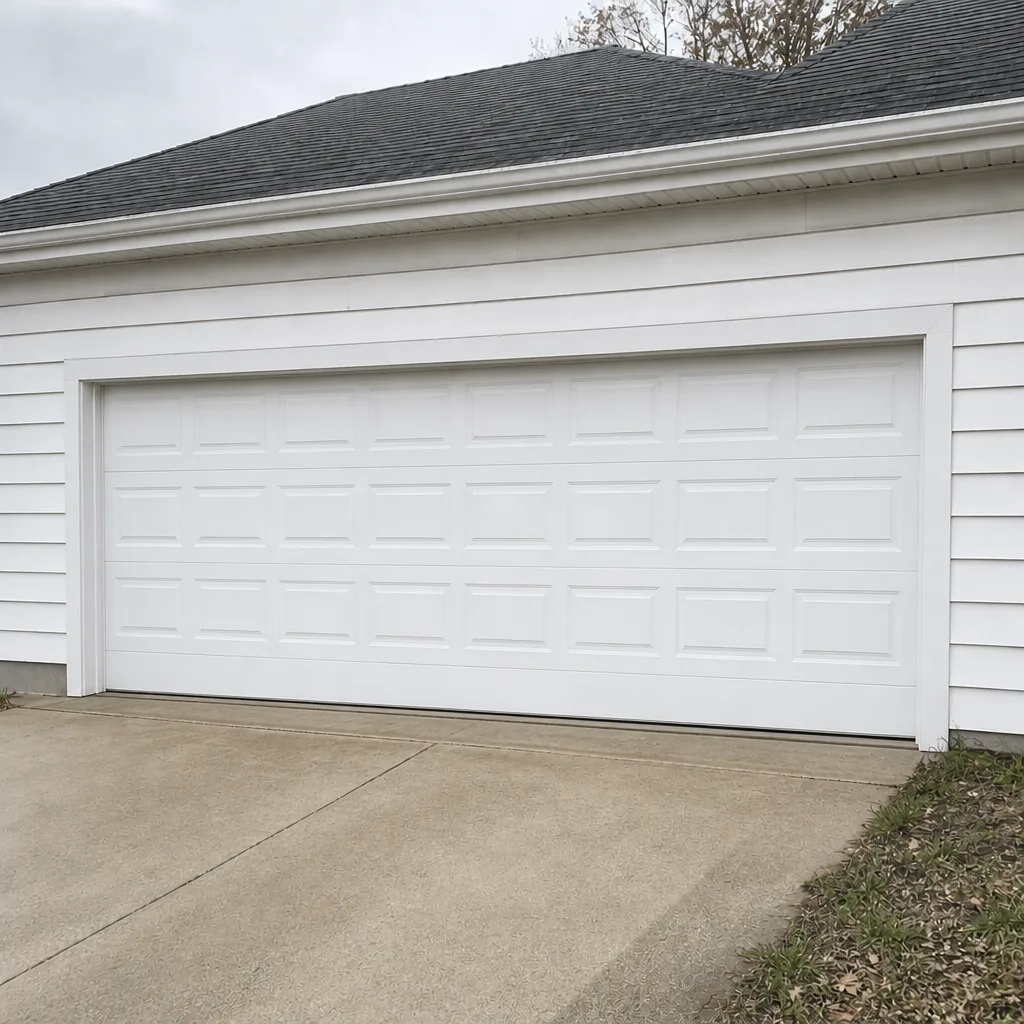 After
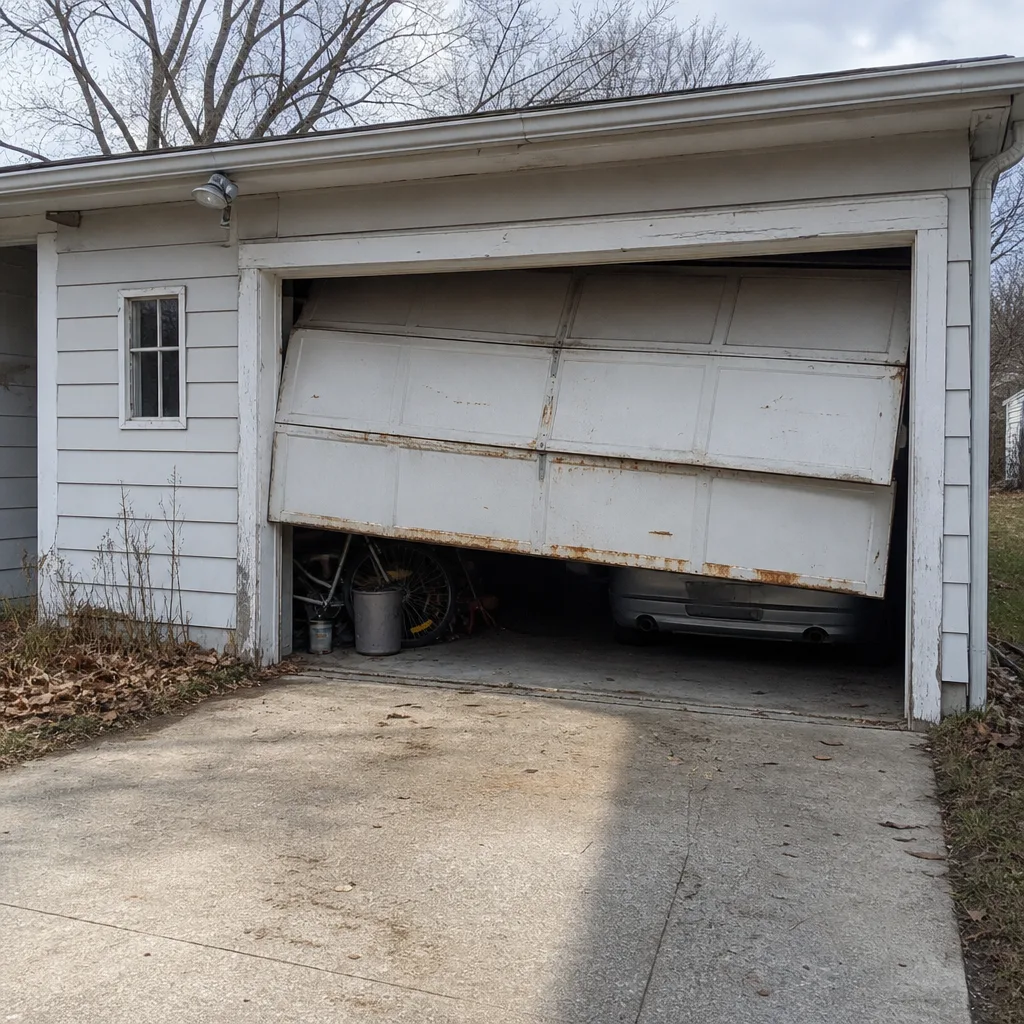 Before
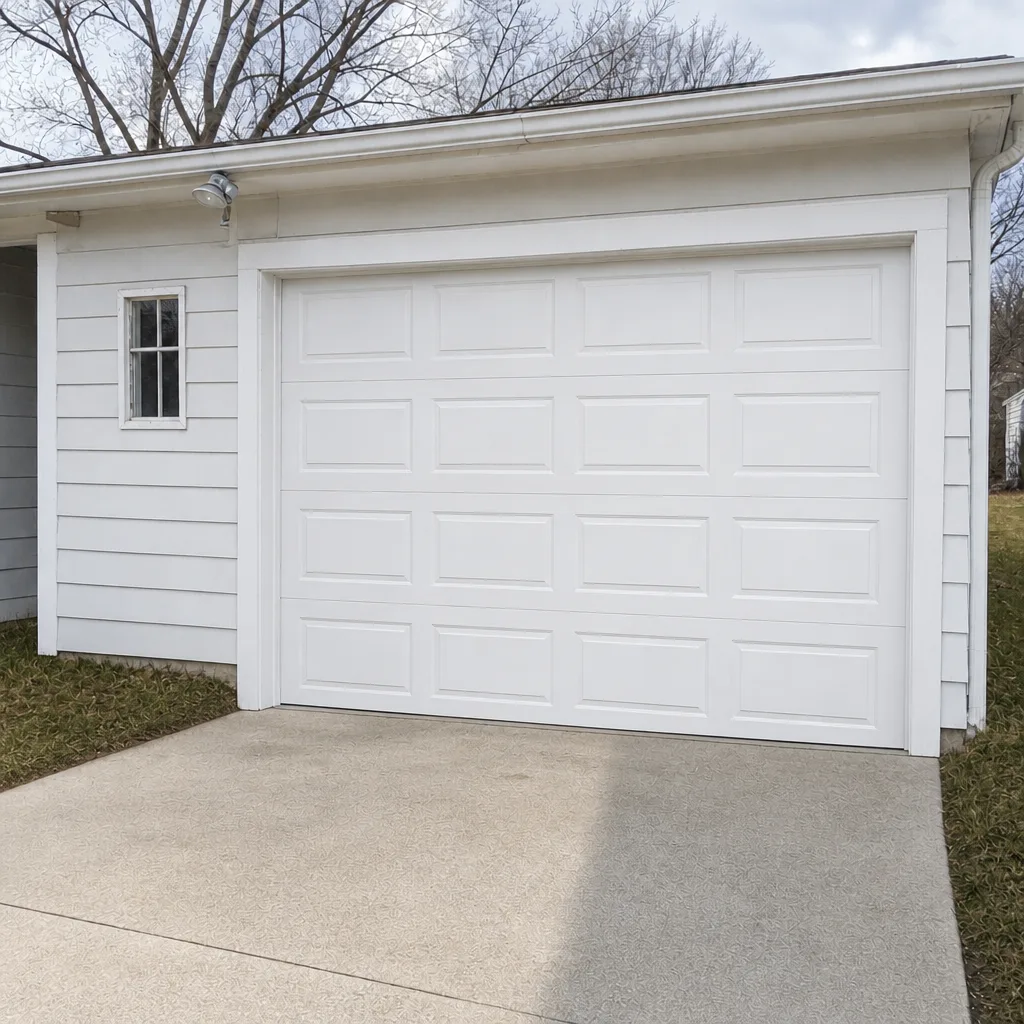 After
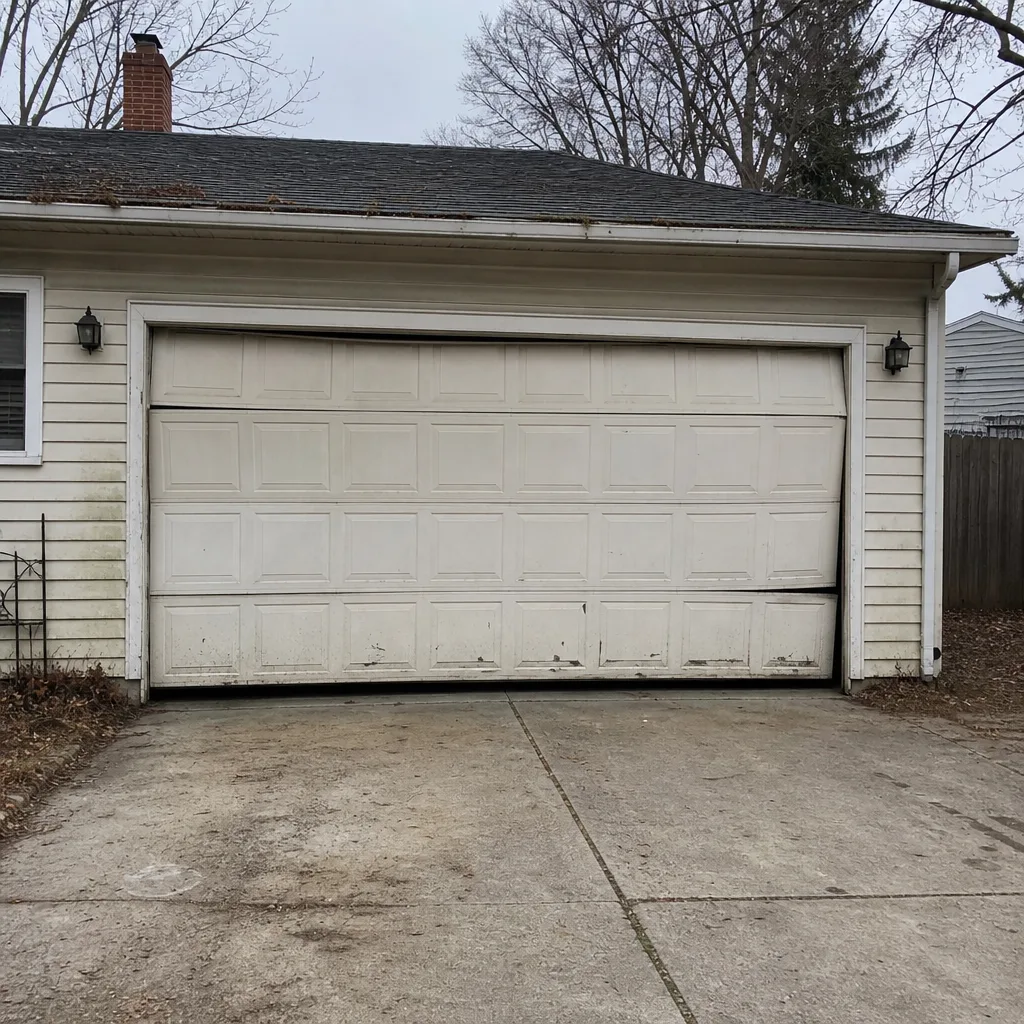 Before
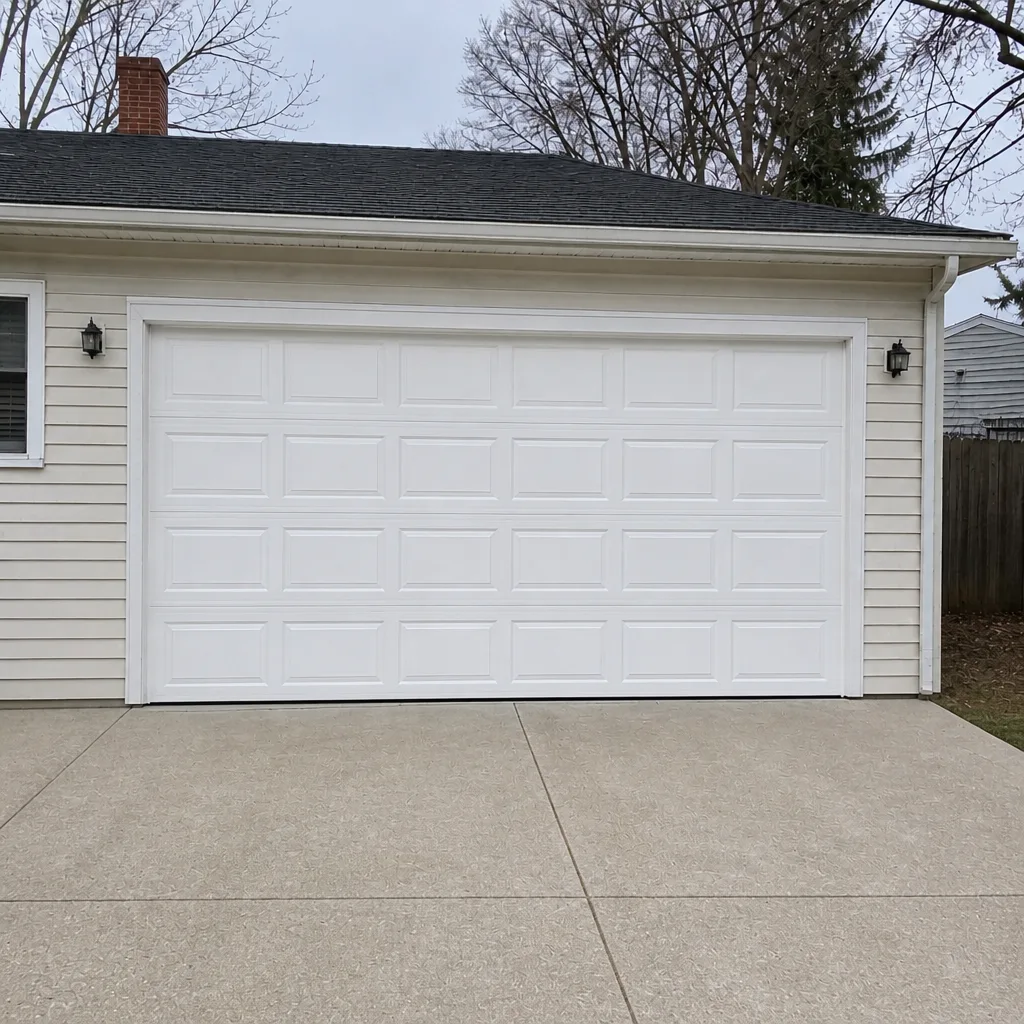 After
When to Call a Professional
Call a pro if a spring is broken or sagging, if a cable is frayed or kinked, if the door feels heavy when you lift it by hand, if it slams down or reverses without obstruction, or if a track is bent or visibly misaligned. Also call if the door fails to open at all and you can’t safely resolve it with the manual release. Those situations carry physical risk or point to a component nearing failure that only a trained technician can safely diagnose.
Our team provides free estimates in Cuyahoga Falls and can handle spring repair, cable replacement, opener repair, and full installs without handing you off to another contractor. Our technicians have up to 8 years of experience, and every job is quoted and agreed in writing before work begins. Call (866) 857-0883 to schedule a free estimate, or reach the Cuyahoga Falls Garage Door Repair Pros team any time you’re unsure whether a repair belongs on the safe list.
Frequently Asked Questions
No. Spring replacement is the one garage door repair we never recommend for DIY, because the stored torque can release without warning and cause serious injury. Call a trained technician.
Weatherstripping, lubrication, sensor alignment, remote reprogramming, and visual inspections are all safe to handle yourself. Any repair involving a spring, cable, or loaded track is not. Most Cuyahoga Falls homeowners find the safe list covers the maintenance tasks and the pro list covers the repairs.
Spring repair typically runs $180 to $340 per spring, and when you need a matched pair, expect roughly double that. The written quote sets the final price, so call (866) 857-0883 for a free estimate and an exact figure.
Sometimes, yes. When a DIY attempt has left a door partially disassembled or a mis-matched part installed, the technician has to undo that work before starting the repair. It’s not a penalty; it’s simply extra labor. Quoting happens before any work starts, so you’ll know the price upfront.
The manual release itself isn’t dangerous if used correctly. Pull the cord, then move the door slowly and keep hands clear of hinges and panel seams. If the door feels heavy or drops quickly, stop and call a pro, because a failing spring is the likely cause.
First, check the opener for a blinking light or a tripped breaker, and confirm the manual release works. If the door still won’t move, the cold likely affected a spring or a frozen seal. Call (866) 857-0883. Emergency service is available for situations where a car is trapped or the home is left insecure.
The Bottom Line
The DIY-versus-professional decision isn’t about how capable you are. It’s about which tasks carry injury risk and which don’t. Weather seals, lubrication, sensor alignment, and remote programming are all worth doing yourself; they’re cheap, safe, and satisfying. Spring replacement, cable replacement, and track work under load are not. In Cuyahoga Falls, freeze-thaw weather makes springs and seals work harder than in milder climates, so keep an eye on both. If something on your door feels off, trust the symptom rather than pushing through it. And when in doubt, a free estimate costs you nothing and answers the question faster than any tutorial.
Written by the team at Cuyahoga Falls Garage Door Repair Pros.
Call (866) 857-0883 for a free estimate in Cuyahoga Falls. Every job is quoted and agreed before any work starts, and our technicians handle spring repair, cable replacement, opener repair, and full door installation as one team.