Last updated November 22, 2026
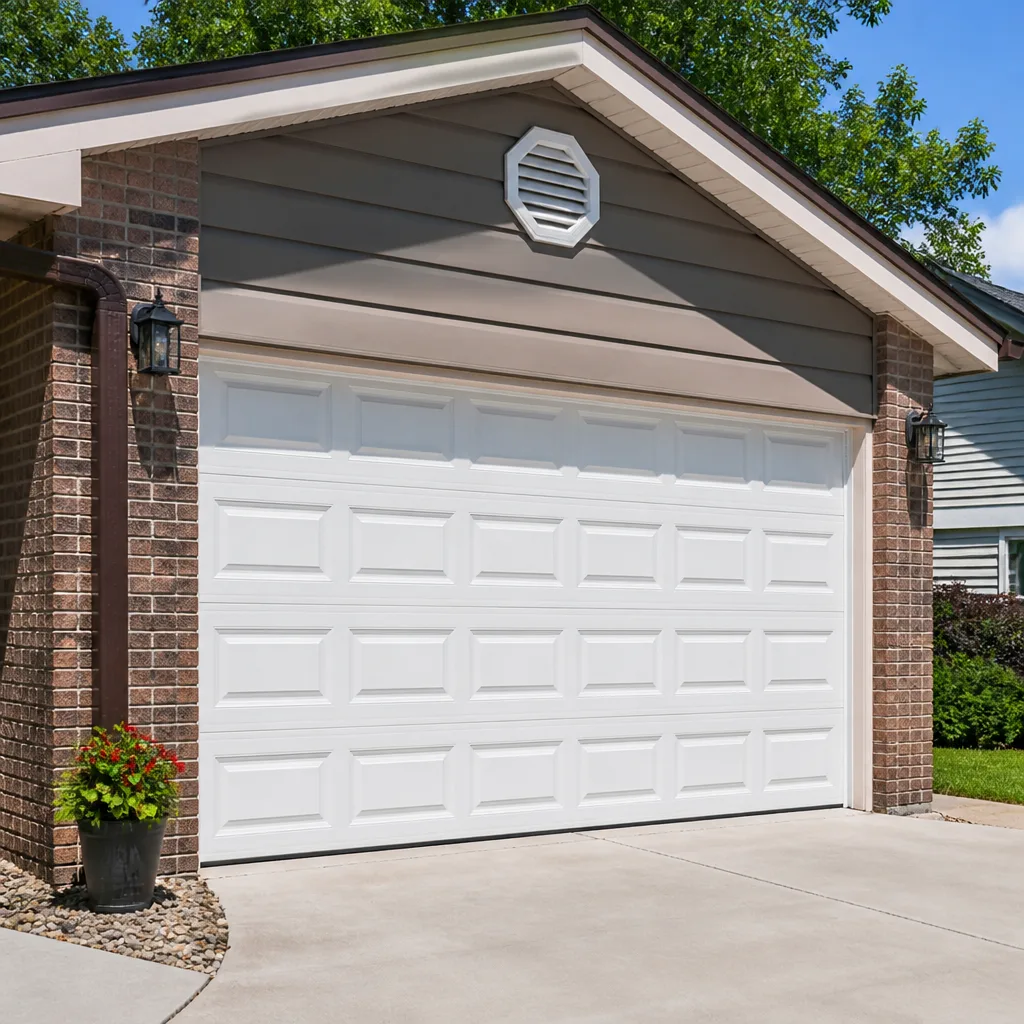 Raised-panel steel
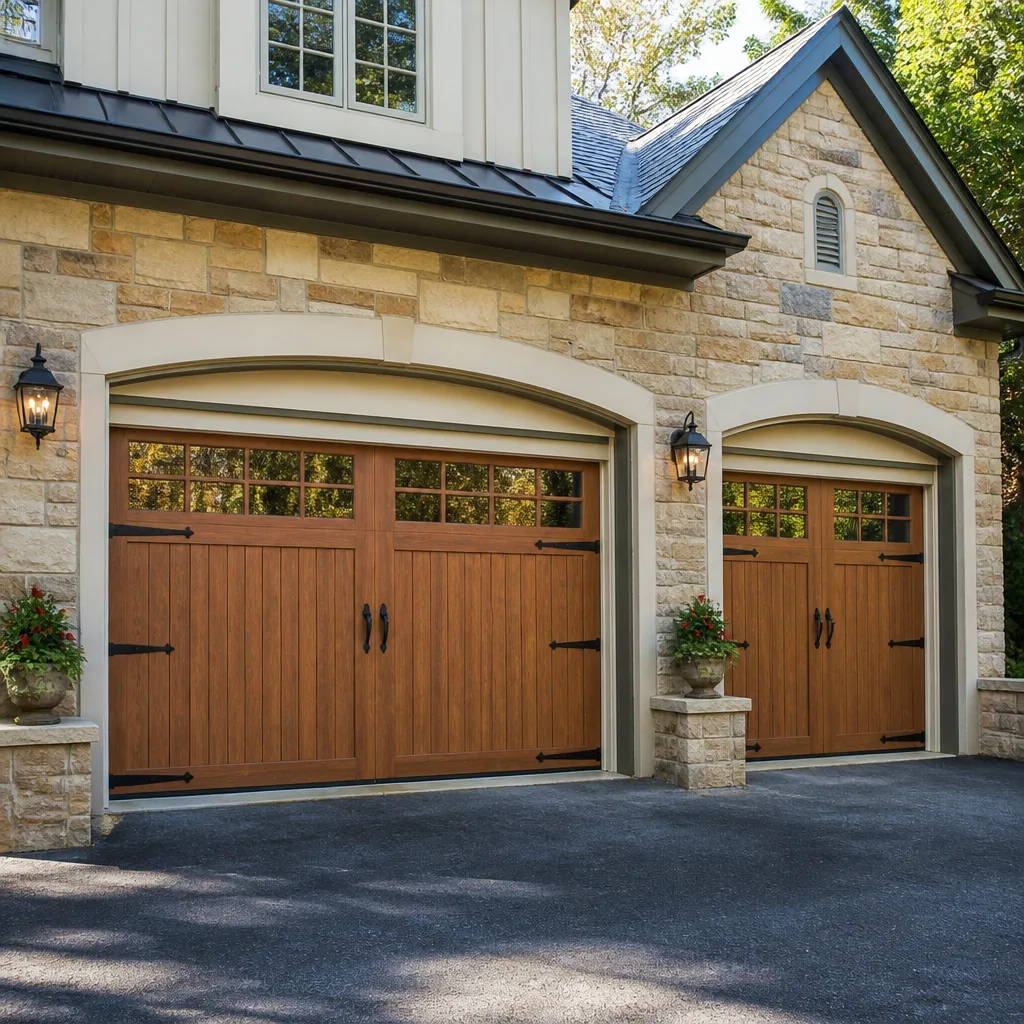 Carriage house
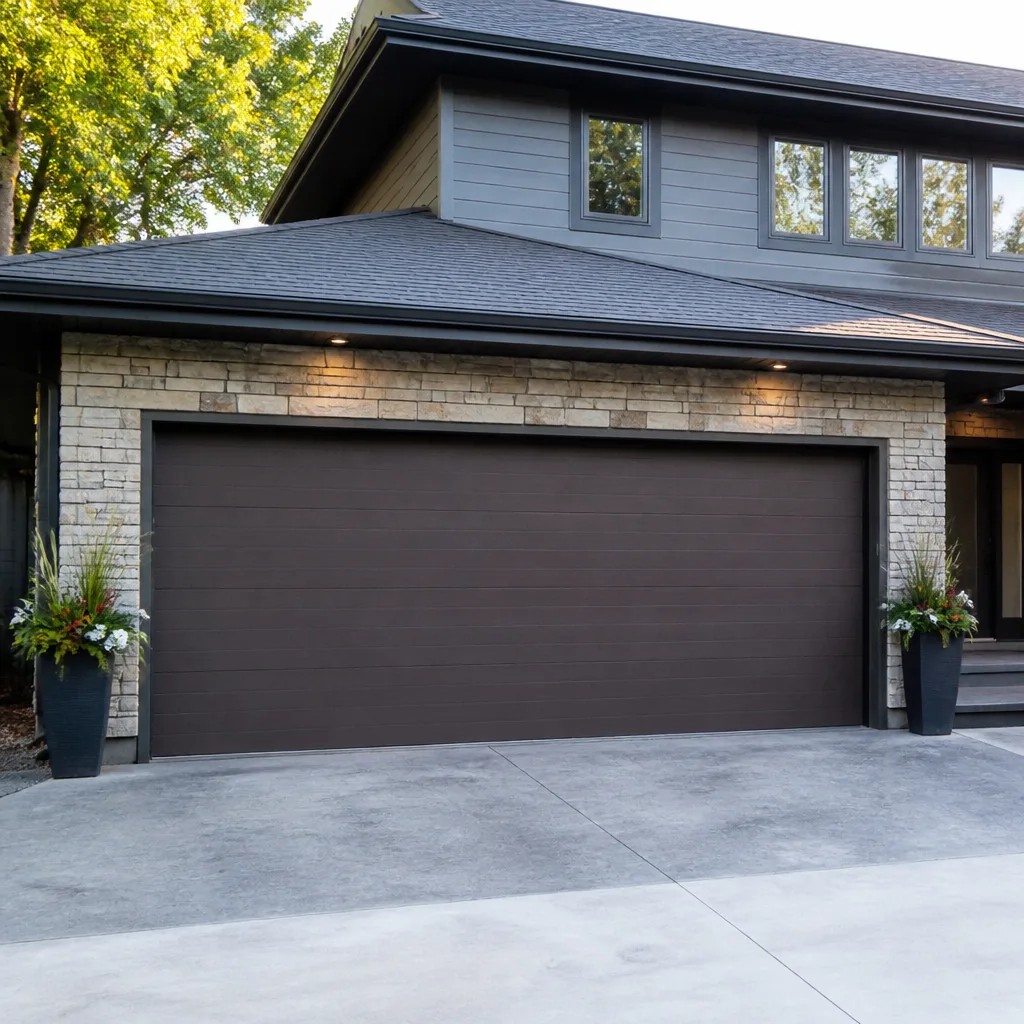 Modern flush
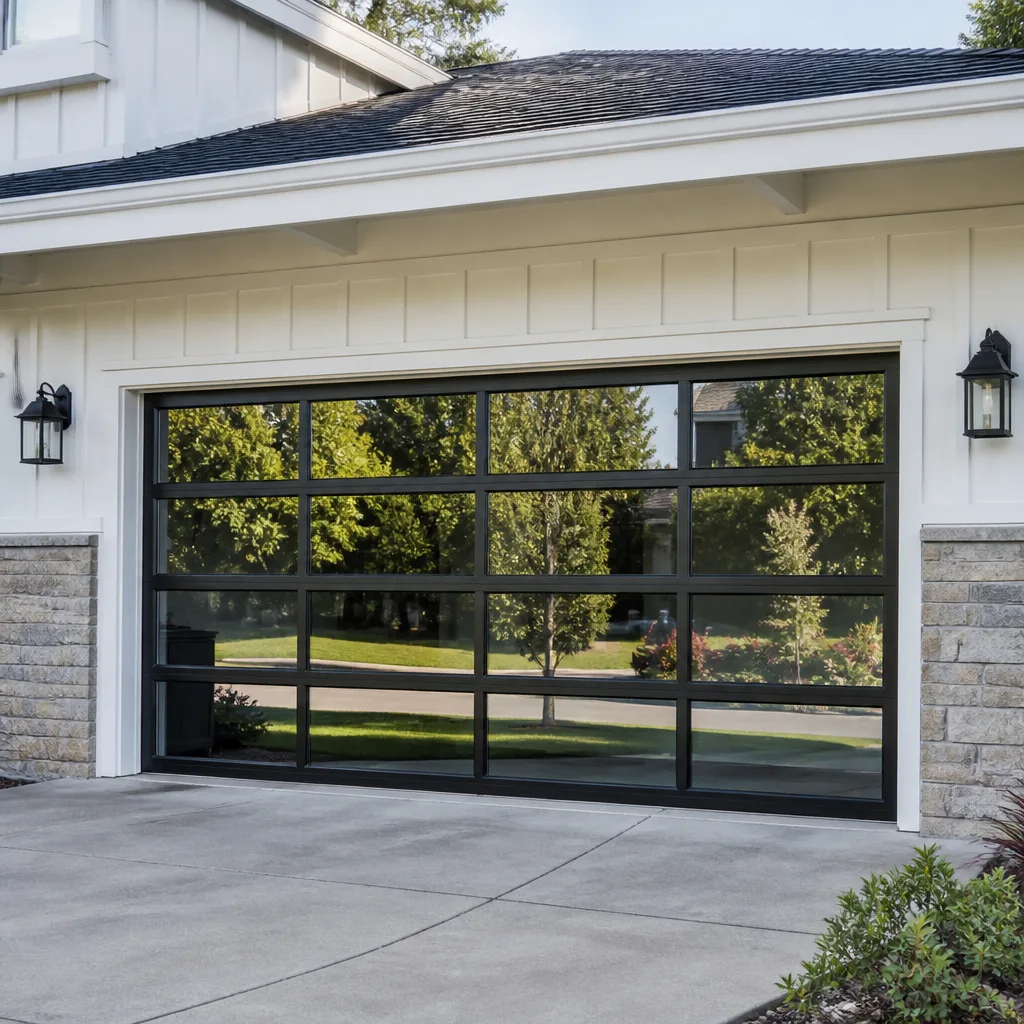 Full-view glass
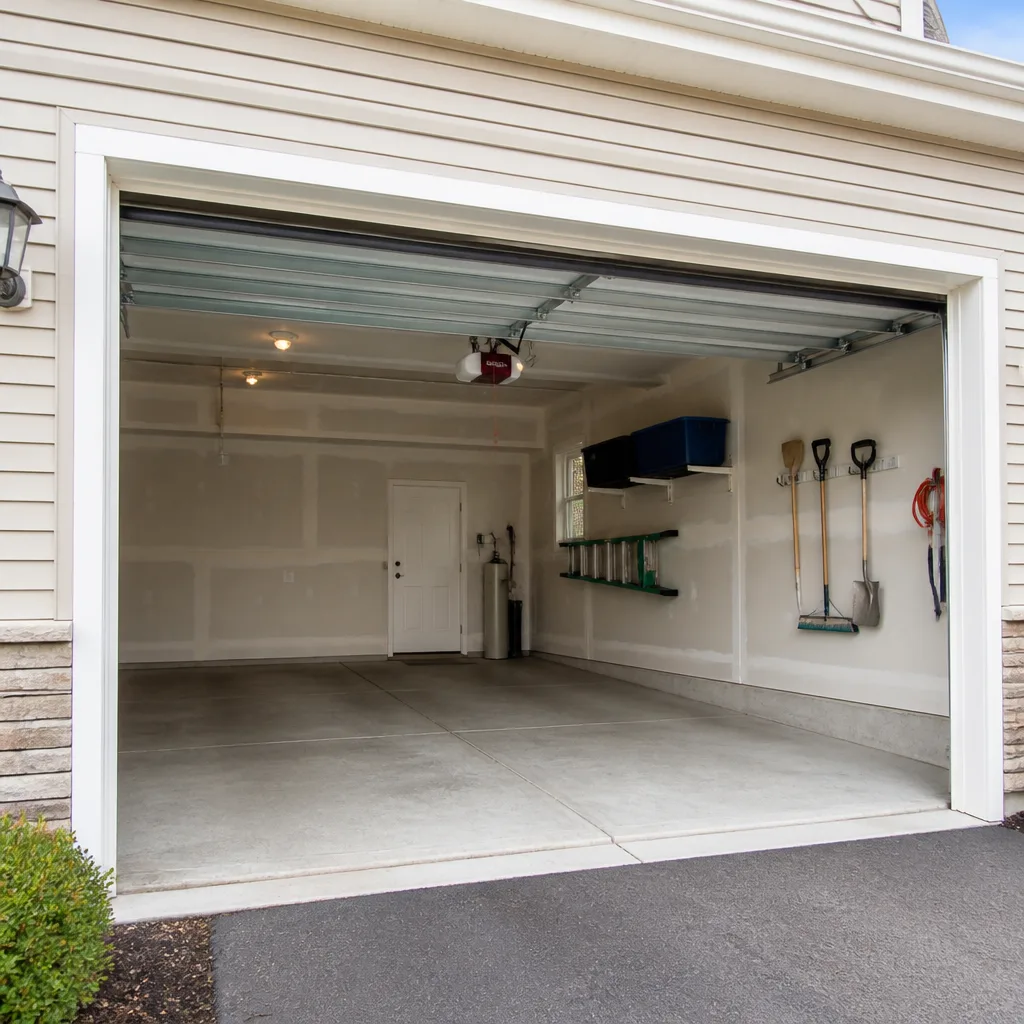 LiftMaster openers
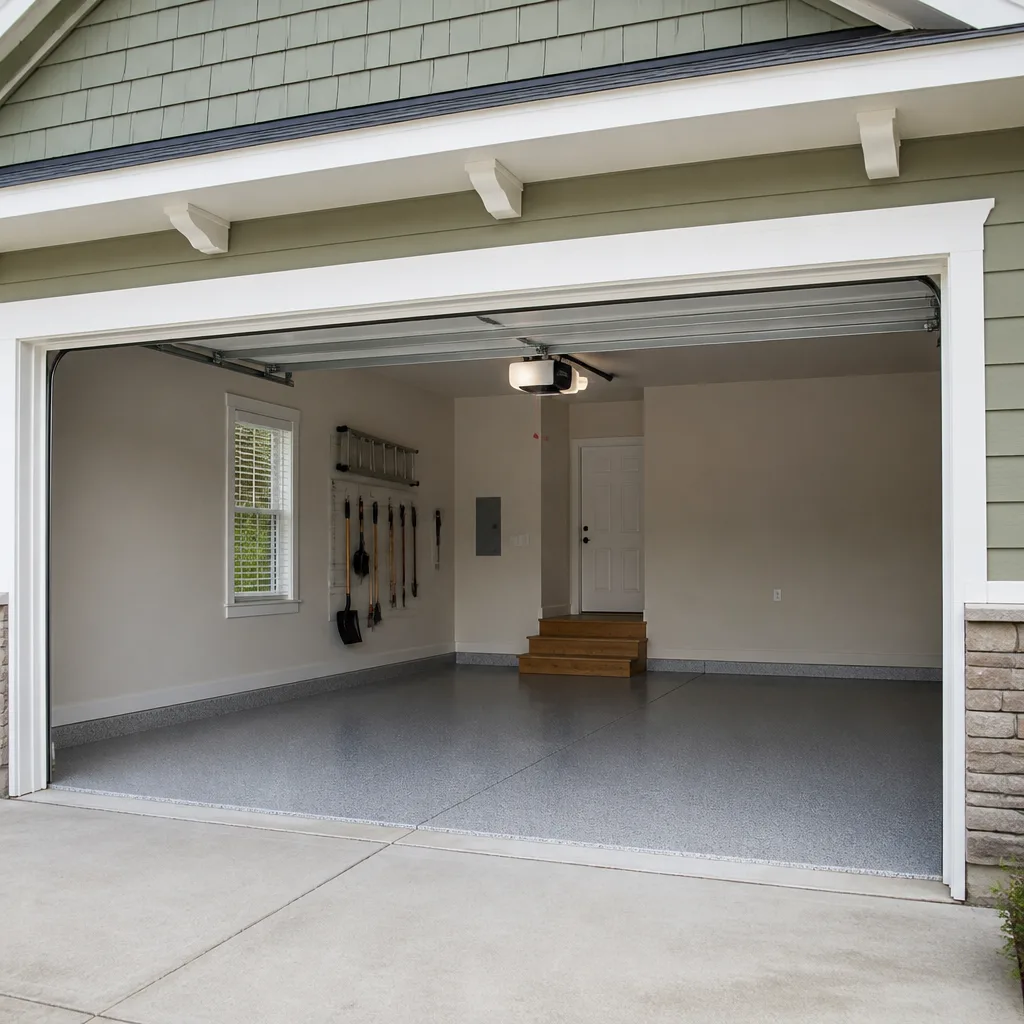 Chamberlain openers
Full 25-point door and opener safety check with every visit - springs, cables, rollers, tracks, and your LiftMaster or Chamberlain opener included
You get a price before we start. It does not change when the pro arrives.
Get your free estimateGarage Door Emergency Preparedness Guide for Cuyahoga Falls Homes
Most homeowners can tell you where the water shutoff valve is. Very few can tell you where the manual release cord is on their garage door opener, and fewer still have ever pulled it. That gap matters. Nearly every emergency garage door call we handle in Cuyahoga Falls involves a situation where the homeowner had a plan – just not for the right scenario, or not for their specific opener model. Preparedness isn’t about expecting the worst; it’s about knowing three distinct moves for three distinct problems. This guide covers all three, plus the winter-specific failures that Summit County’s freeze-thaw cycles create. Read it once now, and you’ll handle the next outage or snapped cable with a clear head.
Quick Answer
Garage door emergency preparedness in Cuyahoga Falls means having a specific plan for three scenarios: a power outage, a door failure that traps your car inside, and a door that won’t close. Each requires a different response, and knowing which cord to pull, what to check first, and when to stop and call us for same-day emergency service makes the difference between a 10-minute fix and hours stuck in the driveway. Every homeowner should locate their manual release cord, learn how their opener operates, and save the number (866) 857-0883 before something breaks.
Styles & brands we work with
- Raised-panel steel
- Carriage house
- Modern flush
- Full-view glass
- LiftMaster openers
- Chamberlain openers
Table of Contents
- Scenario 1: The power goes out
- How to operate the manual release on your opener
- The car is trapped and you need to get out
- The door won’t close and you have to leave
- Winter emergencies in Cuyahoga Falls
- Three things to prepare before anything breaks
- What ’emergency garage door service’ actually means logistically
- Common Mistakes to Avoid
- When to Call a Professional
- Frequently Asked Questions
Scenario 1: The power goes out
A power outage in Cuyahoga Falls doesn’t just make the garage door inconvenient – it can leave you with a door frozen in place, especially if it’s the only way to get the car out. The good news is that every residential opener built in the last 40 years has a manual release designed to let you override the operator entirely. The bad news: you have to know how to use it, and you have to use it safely.
Before you pull anything, understand what’s on the other end. Most of the openers we service – LiftMaster, Chamberlain, Genie, Craftsman, and most of the brands in circulation around Cuyahoga Falls neighborhoods like Silver Lake and the Falls River area – use a simple trolley-and-cord setup. The cord hangs from the carriage that rides the rail. Pull it, and the door disconnects from the operator so you can move it by hand.
Here’s the part homeowners miss: once the door is disconnected, the trolley stays disengaged until you re-engage it, which means your next smartphone app press or wall button press will spin the motor but leave the door where it is. That confuses people and leads to “the opener broke after the power came back” calls. It didn’t break – the trolley just needs to be reconnected.
Power outages in Cuyahoga Falls tend to hit hardest during spring wind events and summer storms, when utility lines through the older tree-lined streets are vulnerable. If your door is the only path out and the outage is forecast to last hours, the manual release is the correct tool. If the outage is expected to be brief, wait it out – you won’t have to deal with re-engagement at all.
How to operate the manual release on your opener
Operating the manual release correctly takes about 30 seconds. Operating it incorrectly, or operating it on a door with a broken spring, can take you from an inconvenience to a real safety problem in the same 30 seconds. Here’s the sequence.
- Look up before you pull. Stand under the door’s rail and look at the door itself. If the door is sagging on one side, hanging crooked, or the cable on either side looks slack, stop. That’s a broken spring or a failed cable, and the door is holding its weight on the corrector cables rather than the springs. Pulling the release in that state is dangerous. Call us instead.
- Have two hands available. One for the door, one for the release cord. Never pull the release with the door already partially up – it will drop.
- Confirm the door is fully closed. Pull the cord while the door is down, so the counterbalance springs are at rest. If the door is up, slowly bring it down first with the opener or by hand (with the release still connected) before you pull.
- Pull firmly and hold. The trolley release should disengage with one solid pull. If it doesn’t move, don’t force it with tools – that’s a sign of a mechanical problem.
- Lift the door by the bottom panel center. Use a slow, even lift. A typical single-car door weighs 130-180 lbs; a double-car door can exceed 300 lbs. The springs do most of the work – if the door feels extremely heavy, the spring tension or balance is failing. Put it back down gently and stop.
- Prop or block the door. Once open, use a brace or a helper before you park or move anything through. Never leave a manually opened door unattended and unsupported.
- Re-engage the trolley when power returns. With the door fully down and the opener running, pull the release cord once more to snap the trolley back onto the carriage. Test the door before you walk away.
For most Clopay and Amarr doors installed across Cuyahoga Falls, the release cord hangs within reach of an adult who can comfortably stand inside the garage. If your cord has broken off or the handle has cracked, that’s a same-visit fix when we’re already out – ask about it before the next outage catches you. Our technicians have up to 8 years of experience with every major opener brand, so we can walk you through the release on your specific model over the phone when it’s safe to do so.
The car is trapped and you need to get out
When the door is stuck down and the car is inside, the manual release is still the answer – with one big condition. That condition is spring health. We’ve walked homeowners through the release over the phone, and we’ve also talked them out of pulling it when the door was visibly sagging on one side. The difference matters.
If the door is visibly straight, the springs are quiet, and the door was operating normally until the power died, manual release is safe to try. If the door has been running rough for weeks – dragging on one side, popping, sluggish on the first few inches – assume something is already compromised and call for emergency service. Trapping the car for another hour is far less costly than a door that comes down hard on a person or a vehicle.
When you do get the door up, get the car out, and get the door back down before you leave. Don’t leave it open and drive away thinking about it later. Cuyahoga Falls neighborhoods around the State Road corridor see plenty of foot traffic, and an open garage is a standing invitation – even if the family is home, it announces the house is empty when the car leaves.
A few things that help when it’s happening:
- Clear the path around the door before you lift it. Totes, bikes, and seasonal gear piled against the track can block the lift or damage the panel.
- Call from inside the garage if you have a signal. We’ll ask you what brand and model opener you have, whether the door is balanced, and whether you can see the cables.
- If someone else is home, have them watch the door from the side while you lift. If it tilts, stop.
- Never leave the manual release engaged and the car out. The next person who hits the wall button will hear the motor run but see nothing move, and assume the opener is dead.
If the door’s already down and it’s not going anywhere, call (866) 857-0883. Emergency service is available, and the technician will bring the right tools for your opener’s brand – not a “we’ll have to order the part” situation.
The door won’t close and you have to leave
A door that won’t close is the most common call we get in Cuyahoga Falls that sounds more urgent than it is – and the one most often solved with a two-minute fix on the phone. Before you panic, run through the four most common reasons the door reverses or stops on the way down.
Four causes, in the order you should check them
- Something in the safety beam’s path. The photo-eye sensors near the floor at each side of the track use an invisible beam. A spider web, a fallen leaf, a snow drift, or a box someone set on one sensor will stop the door every time. Wipe both lenses and clear the line of sight.
- A misaligned sensor. One sensor may have been bumped – by a trash can, a car bumper, a kid’s bike. Look for a small LED on each sensor; if one is off, or flickering, the sensors aren’t seeing each other. Gently realign by hand – don’t bend the bracket.
- A remote limit switch issue. Openers built by LiftMaster, Chamberlain, and Craftsman use travel limits set with the wall control. If you’ve recently adjusted anything, or the opener has been powered off, those limits may have reset. This is a call-us issue if you’re not sure how to reset them on your model.
- Obstruction close to the door. A rolled-up rug, a bike, a kid’s scooter – anything within a few inches of the door’s path can trip the reverse. Sometimes the homeowner can’t see it from inside the garage.
Temporary security when you have to leave
If none of the four fixes work and you have to leave the house, you need to secure the opening. Some options that work in Cuyahoga Falls homes:
- A heavy-duty lock bar or a pair of vice grips clamped to the vertical track just above a roller, so the door can’t be lifted from outside. Use this only on a door that’s already fully closed.
- A sliding bolt or a latch hasp installed on the inside of the door – a five-minute job that’s worth doing as a permanent addition.
- Move anything valuable out of the garage and into the house before you leave. If the door is compromised, don’t leave tools, bikes, or the mower visible through a cracked panel.
What you should not do: leave the door open and hope. Call us and let us know you need an after-hours emergency visit. Same-visit full fix is what we aim for – we don’t do “we’ll come back with the part”.
Winter emergencies in Cuyahoga Falls
Cuyahoga Falls’ winter weather is a specific kind of hard on garage doors. Freeze-thaw cycles – dozens of them between November and March – work on the door’s bottom seal, the track’s alignment, and the opener’s motor in ways that warm-weather climates don’t see. Three failures come up again and again.
1. The door is frozen to the threshold
Water gets under the bottom seal, refreezes overnight, and the door is literally glued to the concrete. The opener’s safety reverse usually catches it – the door rises an inch and reverses – but some older openers will try to force it, and that’s when belts, gears, and panels get damaged. Never force a frozen door. Instead: loosen the ice with warm (not boiling) water along the seal, or a rubber mallet tapped gently against the seal from inside the garage. Wait for the door to release before running the opener. If it’s stuck repeatedly, the seal itself is worn and not doing its job – a replacement bottom seal is a straightforward fix we handle.
2. The opener motor burns out from strain
A door that’s been struggling through a winter of heavier cold-weather operation can push an aging opener motor past its limit. If your opener sounds labored, smells slightly hot, or reverses on its own after a few inches of travel during cold weather, stop using it – you’re shortening the motor’s life with every cycle. Motors on LiftMaster and Genie units typically fail this way rather than suddenly, so the warning signs matter. When the door won’t move at all after a cold overnight, a burnt motor is one of the first things we check.
3. A cable snaps in sub-freezing temperatures
Steel aircraft cable becomes more brittle in extreme cold, and a cable that was already showing wear will pick winter as the time to fail. You’ll know: a loud bang, the door hanging crooked or dropped fully, and the door refusing to lift. Do not try to raise the door by hand in this state. The door is now supported on a single point, and lifting it can cause the remaining cable or the spring to release suddenly. This is a call-us-immediately situation – it’s one of the genuine emergencies we treat as urgent, and the fix involves replacing the cable pair, not just the broken one. The reason: a cable that failed from wear has a twin on the opposite side at the same level of wear, and replacing one is a temporary fix that fails six months later.
If any of these winter emergencies happen after hours, call (866) 857-0883. We’ll get you on the emergency schedule and tell you what to do in the meantime – which is usually “leave it alone until we get there.”
Three things to prepare before anything breaks
The best emergency response is the one you don’t have to think about. Every Cuyahoga Falls homeowner should know three things about their own garage door system. Do each of these once, and take a photo or a quick note of what you find.
1. Know your opener brand and model
Open the garage and look at the ceiling-mounted unit. The brand name is usually molded into the housing – LiftMaster, Chamberlain, Genie, Craftsman, and Raynor are the most common in Cuyahoga Falls homes. The model number is on a sticker on the back or the motor housing itself. Write it down and put it in your phone’s notes. When you call, that one piece of information saves 10 minutes and, more importantly, tells us what to expect when we arrive.
Our team is trained across 8 major brands, so we’re equipped for whatever your opener is – but we still want to know before we show up so the first visit is the fix-and-done visit.
2. Find your manual release cord and test-pull it (once)
Physically locate the release cord and pull it once, with the door down, when the car is out and you have time to deal with re-engagement. Watch the door, feel the weight, and re-engage the trolley by following the cord back up. This is the single most valuable 5 minutes you can spend on garage door prep. If the door feels unusually heavy, that’s a spring balancing issue – call us before it fails.
3. Test the safety reverse every few months
Place a 2×4 flat on the ground under the door, then run the door down. It should reverse within a couple of inches of the wood. If it doesn’t, or the safety beam LED is off without anything in its path, you have a safety feature problem that needs attention. In our experience, misaligned sensors are the most common cause, and the fix is quick.
- Know your opener’s brand and model number
- Know where the manual release cord is and how to re-engage it
- Know the safety reverse test and do it seasonally
- Save (866) 857-0883 in your phone under “Garage Door”
What ’emergency garage door service’ actually means logistically
“Emergency service” is a phrase a lot of garage door companies throw around. Here’s what it means for a real call – and what you should know before you dial.
Response time expectations
Emergency response varies by the specific situation: a door that’s hanging on one cable gets treated differently than a door that simply won’t close. When you call, we’ll ask you a few questions to gauge urgency, then tell you honestly when a local professional can be there. We don’t promise a fixed number of minutes – nobody can, given Cuyahoga Falls traffic, weather, and what’s already on the schedule – but we will give you a realistic window and stick to it.
Rate structure
Emergency calls are typically priced differently from standard appointments because of the after-hours timing and urgency. You’ll get the pricing before we come out – not after. This is a key point: the price is quoted and agreed before any work starts. There’s no meter running, and no surprise on the invoice once the technician is standing in your garage.
What to have ready when you call
- Your opener brand and model if you know it (it’s on the unit)
- What the door is doing – stuck closed, stuck open, hanging crooked, making a noise, cables slack
- Whether the car is trapped inside or outside
- Whether you see any visible damage to the door, the cables, or the spring
- Your address and cross street – neighborhoods matter for routing
- Whether someone is home to meet the technician, or if you need to arrange access
This is where a multi-brand specialist saves you a second call. If you have a Wayne Dalton door and a Genie opener, you don’t have to figure out which company handles which – we work on both, and the same visit covers diagnosis, repair, and any opener adjustment the door needs. Our team has up to 8 years of experience with the equipment in Cuyahoga Falls homes, from legacy units to smart openers, and we’ll tell you upfront if a repair has turned into a replacement situation. When it has, we can handle the installation too – you don’t get referred to a second contractor mid-job.
If you’re dealing with an unresponsive door right now and would rather just have us look at it, garage door repair is where we can help today. For opener-specific issues – including a motor that’s stopped responding after a storm – see our garage door opener repair page. And if it’s a spring or cable that’s snapped, garage door spring repair is the service you want, because it’s the one job every expert in this trade treats with genuine caution.
Common Mistakes to Avoid
- Pulling the manual release on a door that looks crooked. If the door is sagging, the spring has likely failed, and pulling the release lets the full weight of a 200-300 lb door come down unassisted. Call instead.
- Forcing a frozen door with the opener. Cold-weather strain is one of the leading causes of opener motor failure in Cuyahoga Falls. If the door won’t lift on the first attempt, stop pushing the button and address the ice first.
- Ignoring a single snapped cable on a pair-replacement job. Replacing one cable and leaving the other is a temporary fix. The remaining cable is the same age and the same wear level, and it’s a matter of time before it fails too.
- Locking the door and thinking that solves it. A door that’s locked but not functioning is a future emergency on top of a current one. Even a temporary lock should be paired with a call to book the repair.
- Testing the safety reverse by pushing on the door with your hand. The standard test uses a solid object under the door, not your arm. Using your hand can cause injury if the door fails to reverse.
- Assuming the opener’s remote is the problem when the wall button also fails. If neither the remote nor the wall control moves the door, the issue is the opener, the power, or the door itself – not the remote. Save yourself the battery swap.
- Leaving the manual release engaged after an outage. This is the single most common reason a homeowner calls us saying “the opener is dead” when it’s actually running fine. Re-engage the trolley before you test the door.
When to Call a Professional
Some garage door issues can wait for a scheduled appointment. These can’t: a door hanging on one side with a slack or snapped cable, a torsion spring that has visibly broken (you’ll see a gap in the coil), a door that reverses within an inch of the ground every time, or an opener motor that smells hot or is dead after a power surge. On these, the correct move is to stop using the door, don’t push anything open by hand, and call for emergency service. The other category – a door that’s noisy, slow, or off on its alignment – isn’t urgent, but the sooner it’s addressed, the further ahead of a failure you are. Cuyahoga Falls Garage Door Repair Pros offers free estimates in Cuyahoga Falls – call (866) 857-0883. We’ll quote you before any work starts, and the written estimate is the price you’ll pay.
Frequently Asked Questions
Pull the manual release cord hanging from the trolley carriage on the opener’s rail, then lift the door by the bottom panel center. Have someone watch from the side, use a slow even lift, and stop immediately if the door feels unusually heavy or looks crooked. Call (866) 857-0883 if you’re not sure – estimates are free.
First, check the four most common culprits: sensor obstruction, sensor misalignment, travel limit reset, or an object in the door’s path. If none of those fix it, secure the door mechanically (a vice grips on the vertical track, or an inside bolt latch) and call us for emergency service. Call (866) 857-0883 for a same-day booking – pricing is agreed before work starts.
Emergency service is available, and we’ll tell you honestly what timing a local professional can do given your specific situation. Load-bearing failures like snapped cables or broken springs get the highest priority. Call (866) 857-0883 and have your opener brand and door symptoms ready.
A properly balanced door should lift with one hand thanks to the counterbalance springs, which carry most of the weight. If yours is heavy, the springs are tired, out of adjustment, or already broken. Stop lifting it – a door in this state can drop on a person or vehicle. Call (866) 857-0883 for a spring evaluation.
The price is quoted and agreed before any work starts. The technician will look at your door, tell you what’s needed, quote the cost, and proceed only after you approve. No surprise invoices. Call (866) 857-0883 and we’ll walk through the estimate before anyone comes out.
Standard appointments are scheduled for typical repair needs during normal operating times; emergency service is for situations where the door has trapped the car, left the home unsecured, or become dangerous to operate. Emergency calls are priced for the urgency, and you’ll always know the cost before we show up. Call (866) 857-0883 for either.
The Bottom Line
Emergency preparedness comes down to three things: locating your manual release cord and testing it once with a clear head, knowing what your opener is (brand and model), and knowing the difference between “call for same-day service” and “call the emergency line.” In Cuyahoga Falls, the biggest risks are cold-weather freezes, motor strain from fighting worn springs, and cable failures in sub-freezing temperatures – none of which the typical homeowner should handle alone. Get the number into your phone, do the one-time prep, and when something fails, call. That’s the whole plan.
If you’re ready to book a repair, an opener check, or a full installation – or you just want someone to look at a door that’s been misbehaving – Cuyahoga Falls Garage Door Repair Pros is one call away. Estimates are free and the written quote is the price you pay.
Call (866) 857-0883 for a free estimate on emergency service, spring repair, opener repair, or a new door installation in Cuyahoga Falls.
Written by the team at Cuyahoga Falls Garage Door Repair Pros.
See the difference
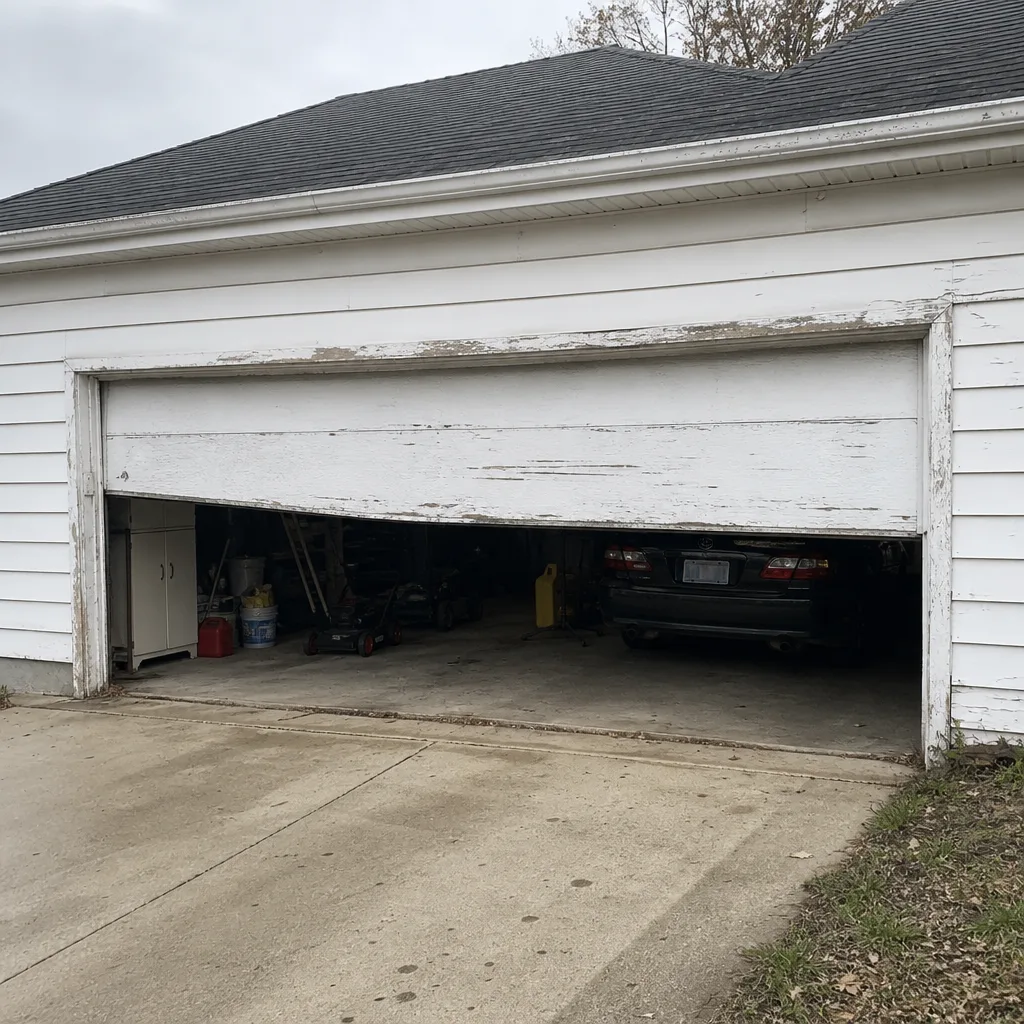 Before
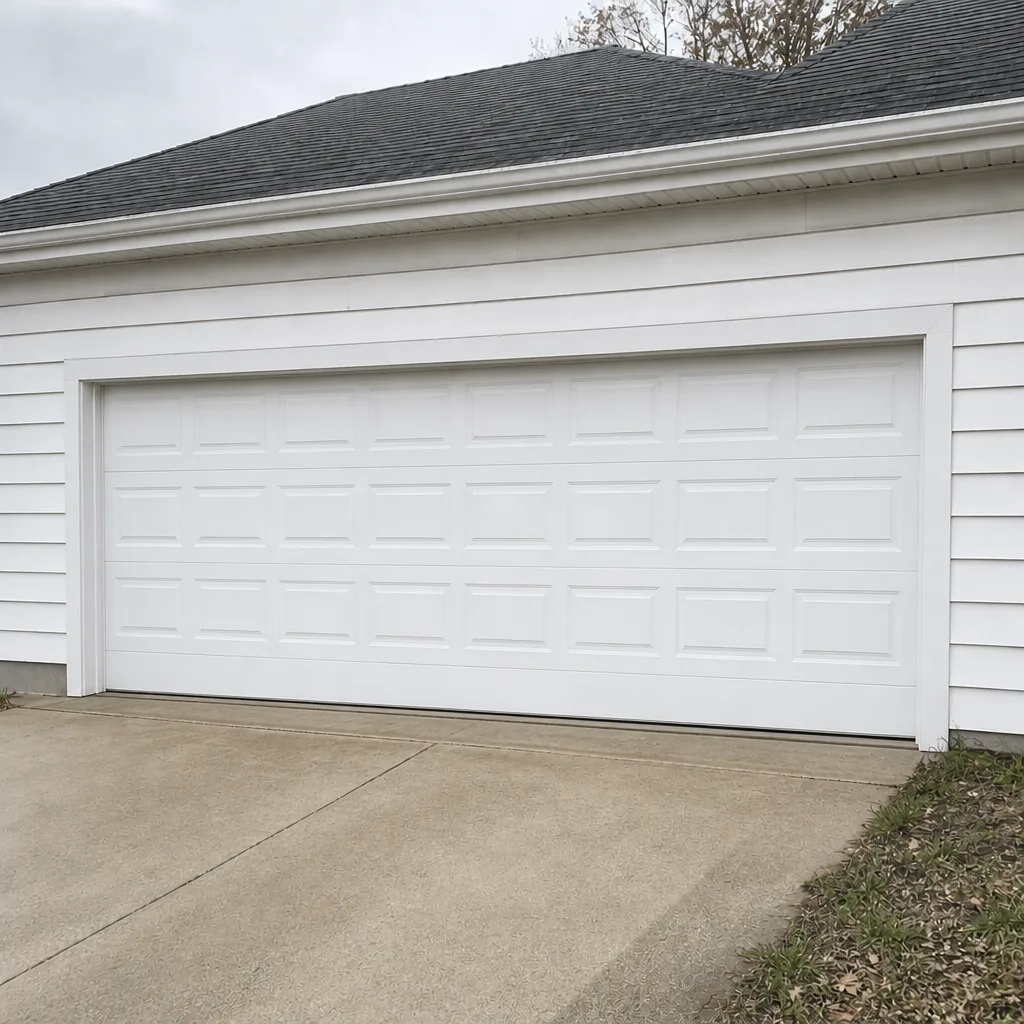 After
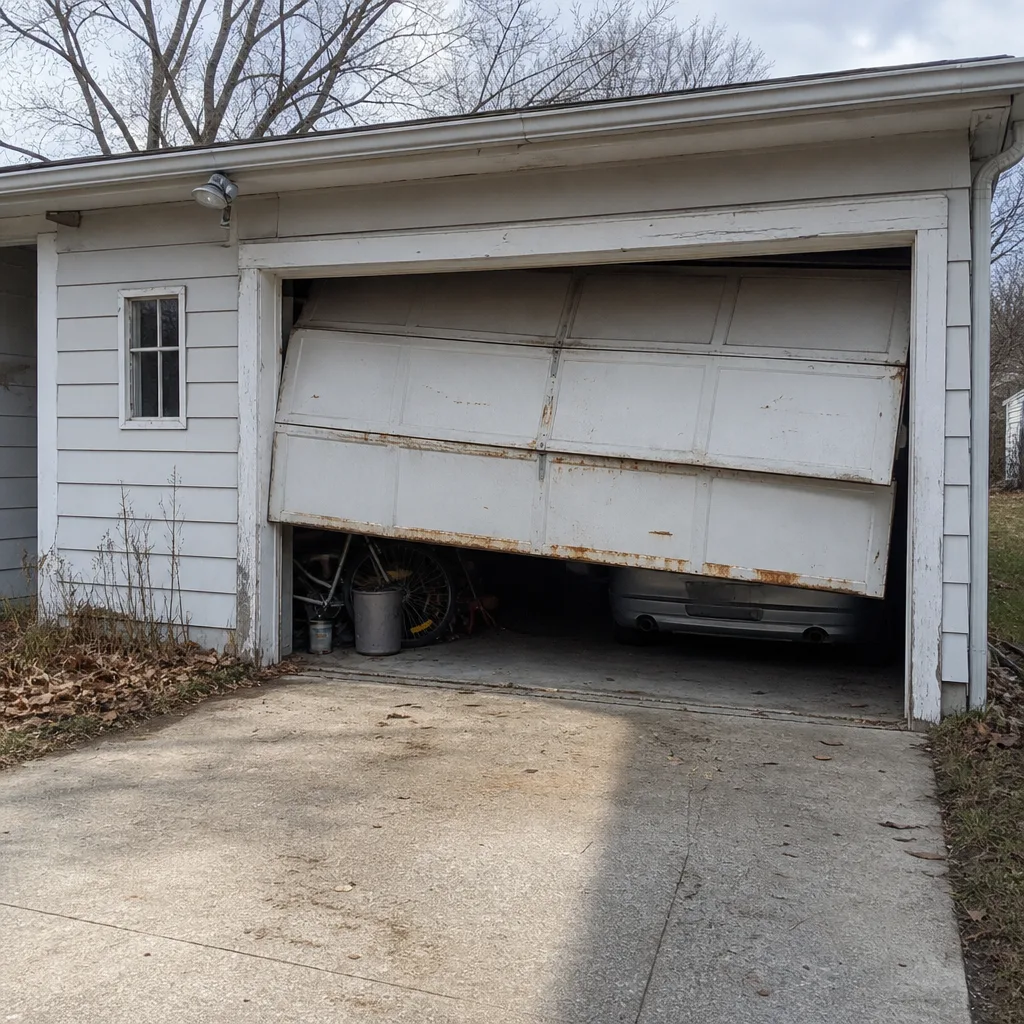 Before
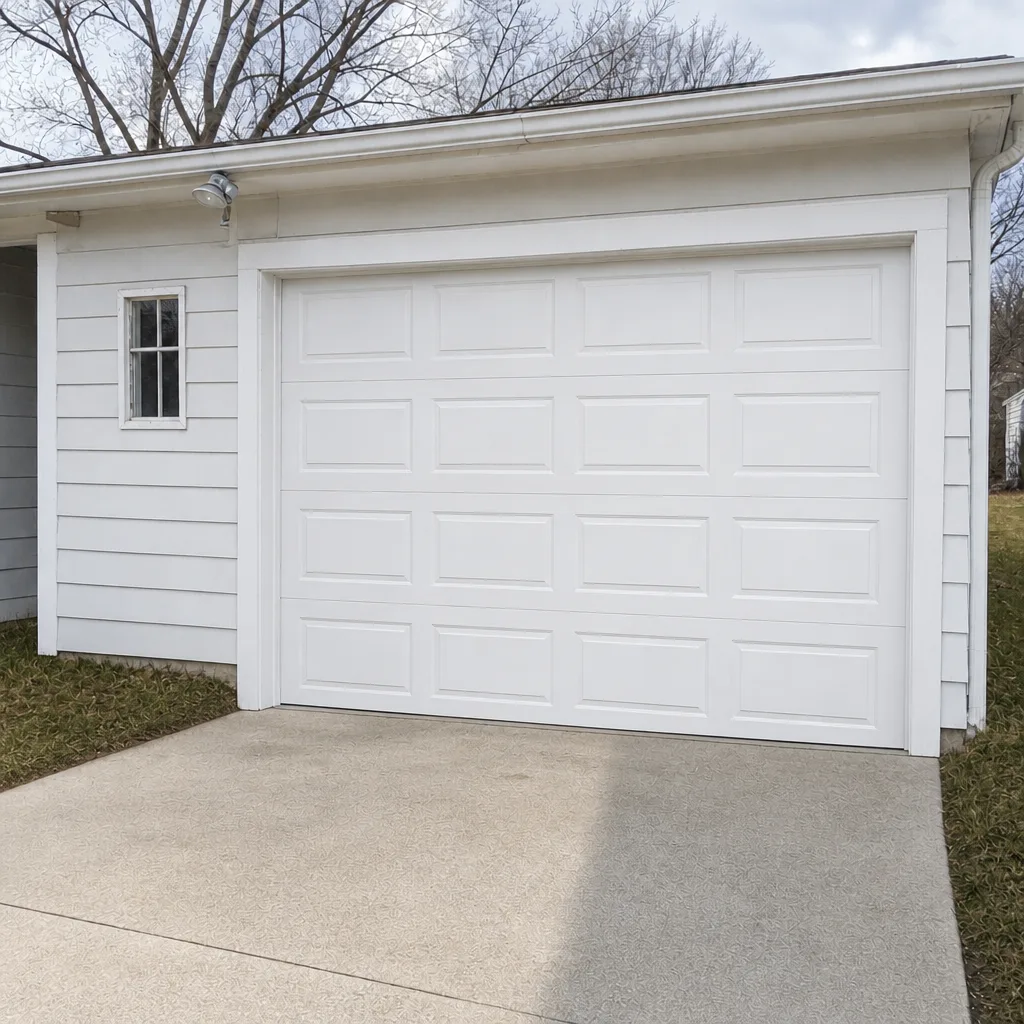 After
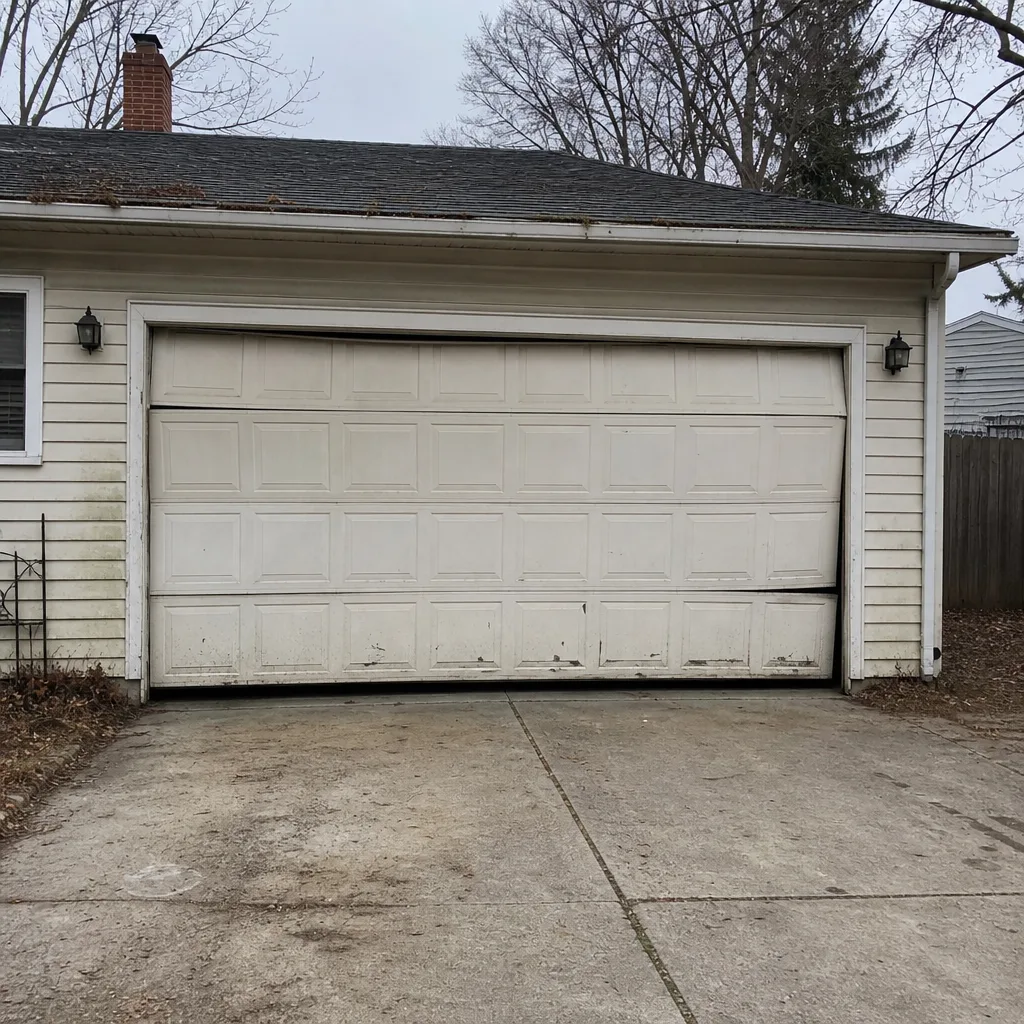 Before
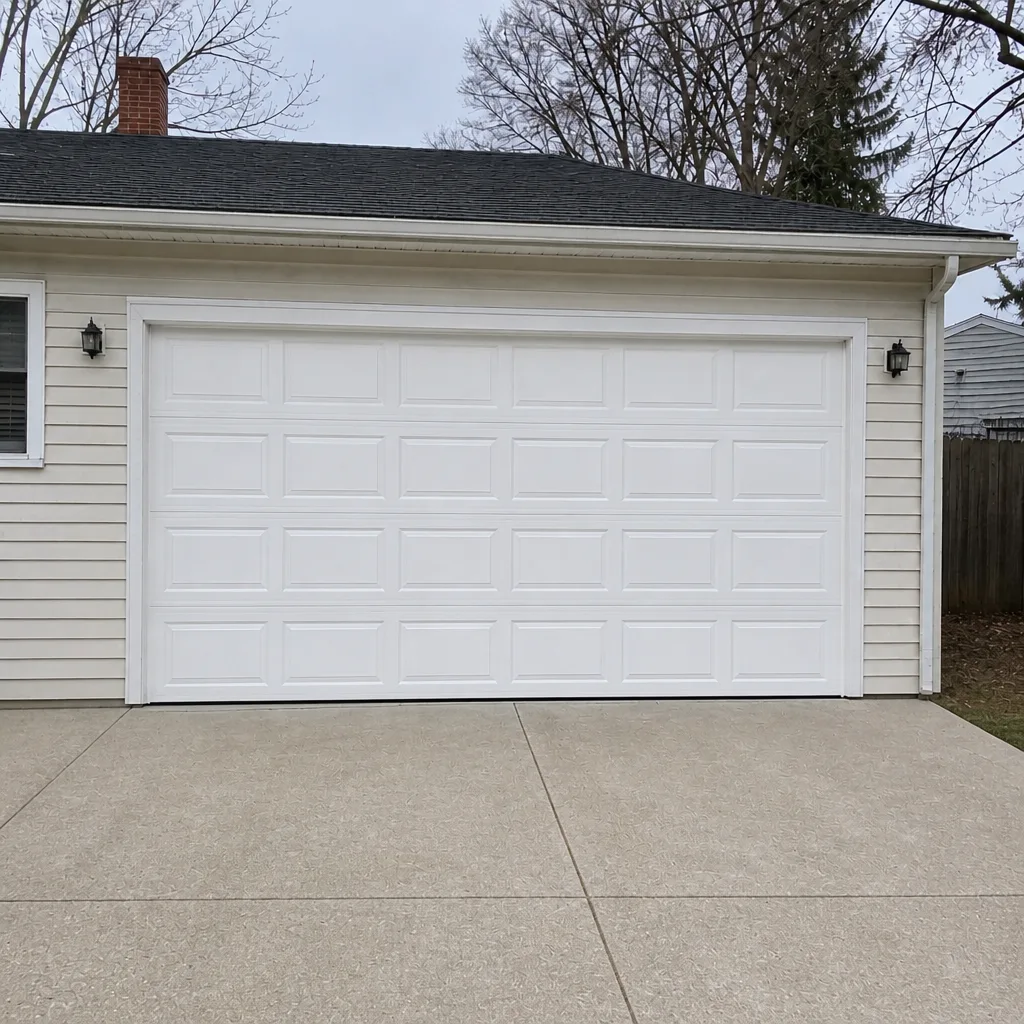 After